
Last updated November 17, 2026
 Wrought iron
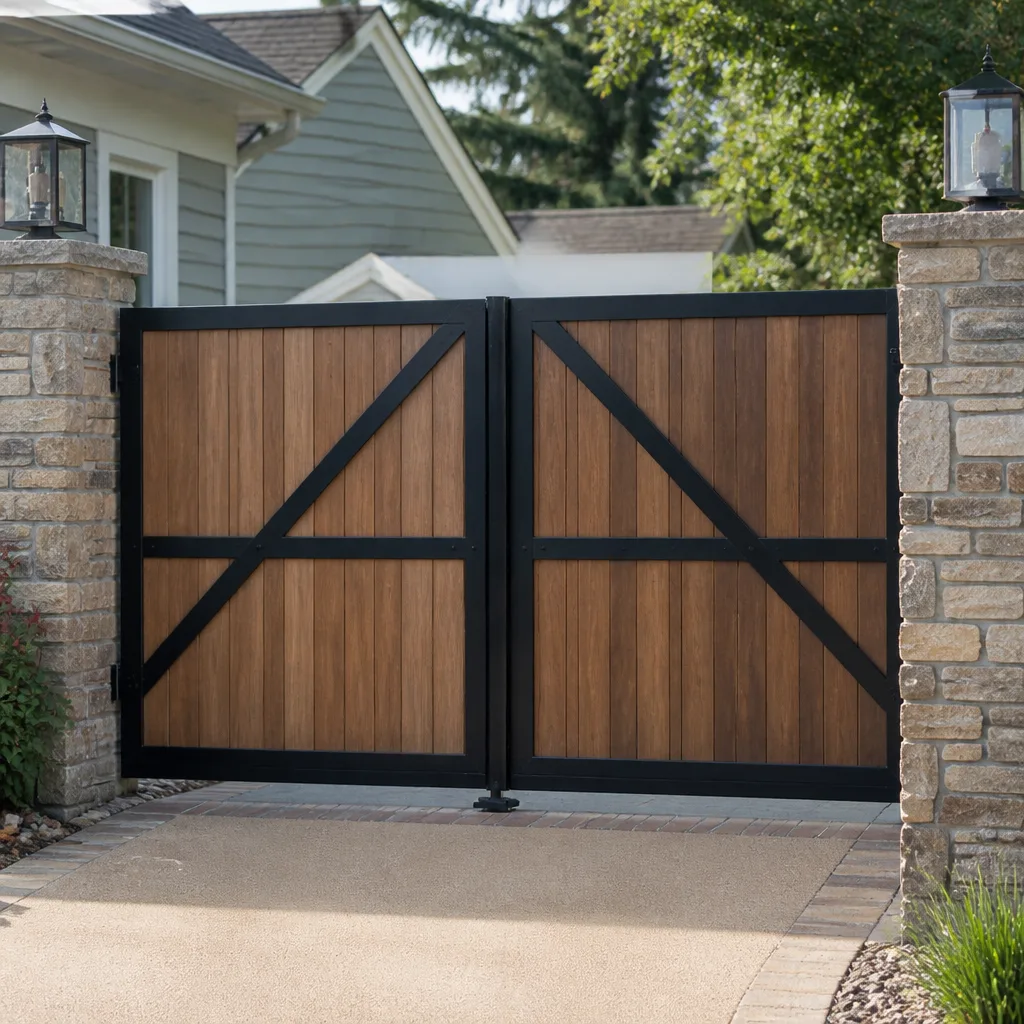 Wood & steel frame
 Farm & ranch
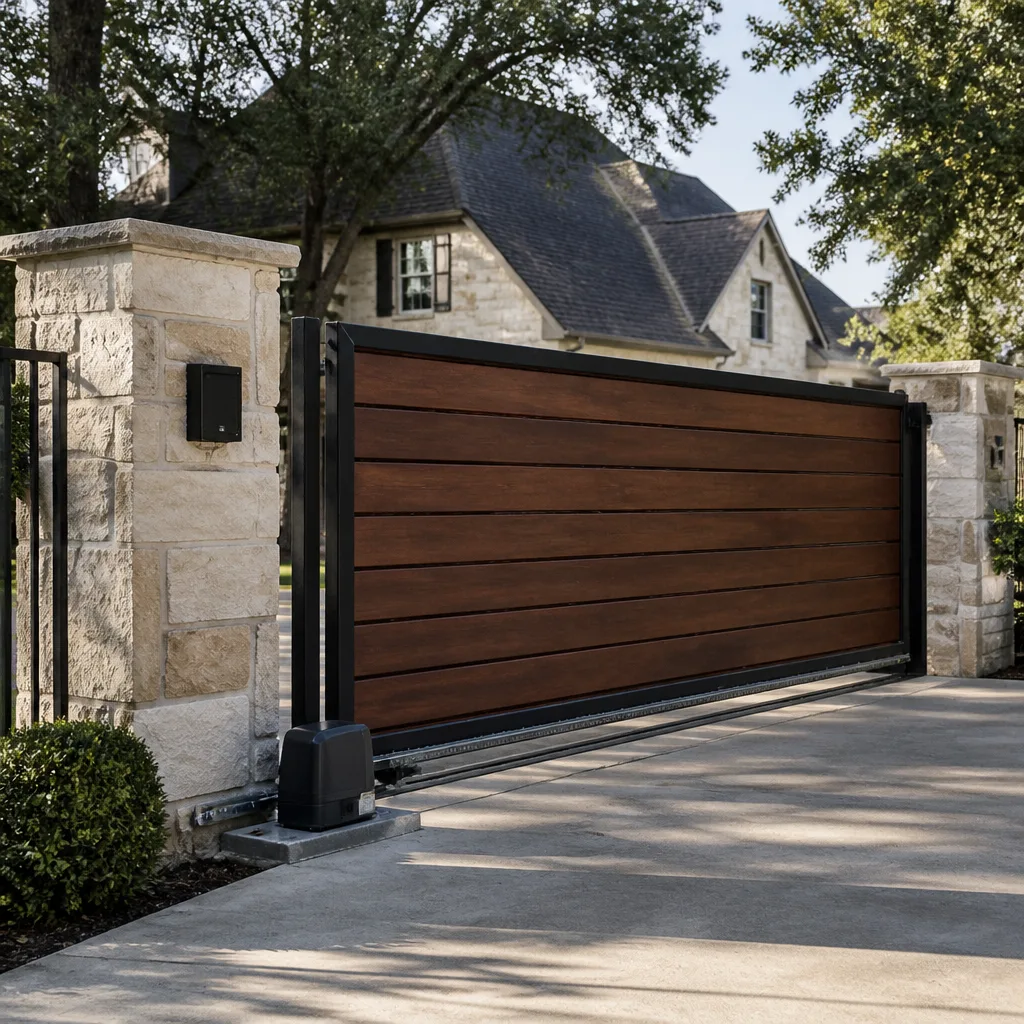 Sliding driveway gates
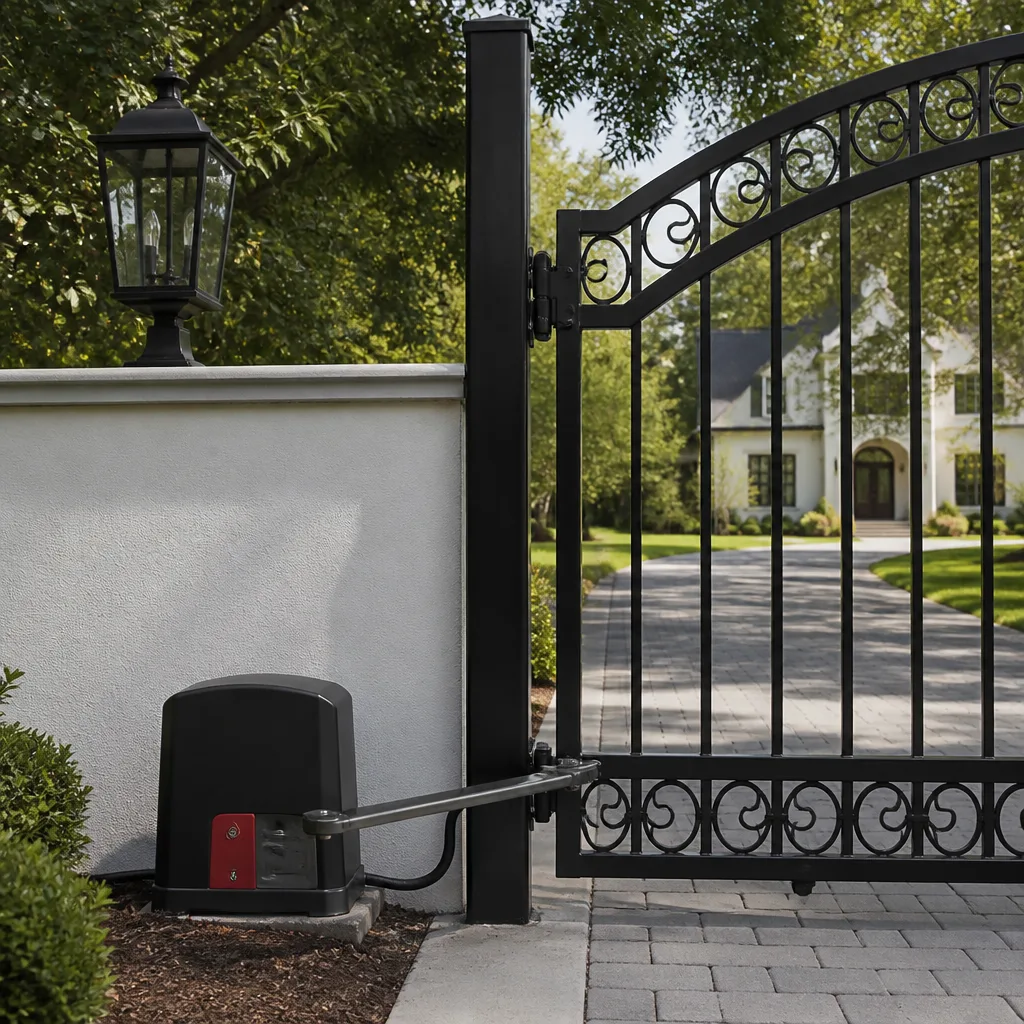 LiftMaster operators
Free on-site gate assessment - hinges, posts, and your LiftMaster or Nice gate operator checked before anything is quoted
The assessment is free and the quote is the invoice.
Get your free estimateDIY vs Professional Gate Repair: The Boulder City Homeowner’s Decision Guide
Here is the part most guides leave out. A homeowner who rewires their own gate opener in Nevada has not simply voided the manufacturer warranty. They may have assumed full personal liability for any injury that gate later causes, because the work was never performed by a licensed electrical contractor. That single fact reframes the whole DIY question. It stops being about whether you’re handy enough and becomes about what you’re willing to carry if the gate fails at the worst possible moment. In this guide we’ll draw that line clearly: which repairs are genuinely fine to do yourself in Boulder City, which ones quietly transfer risk onto your shoulders, and how to judge your own limits honestly.
Quick Answer
Most gate repairs in Boulder City fall into two camps. Low-risk maintenance like lubricating hinges, clearing sensors, and resetting remotes is reasonable DIY territory. Anything involving 120-volt wiring, spring tension, cutting and welding structural metal, or reprogramming safety sensors that guard against entrapment is best handled by a licensed, insured professional. The dividing line is not skill. It’s legal exposure and warranty preservation. If a repair touches line voltage or the safety system, the cost of a mistake is measured in injuries and liability, not just dollars.
Styles & brands we work with
- Wrought iron
- Wood & steel frame
- Farm & ranch
- Sliding driveway gates
- LiftMaster operators
Table of Contents
- The Legal Line in Nevada: What You May and May Not Do
- How a DIY Repair Can Void Your Opener Warranty
- Repairs That Are Genuinely Fine to Do Yourself
- Repairs That Look Simple but Carry Hidden Consequences
- Judging Your Own Skill Level Honestly
- The Real Cost of a Failed DIY Repair
- Common Mistakes to Avoid
- When to Call a Professional
The Legal Line in Nevada: What You May and May Not Do
Nevada, like most states, requires a licensed contractor for electrical work and for structural modifications to a property. A driveway gate lives at the intersection of both. The metal frame is a structure. The opener is an electrical appliance wired into your home’s power. That’s why the legal boundary matters more here than on, say, a fence or a mailbox.
Here is how the line generally breaks down for a typical residential gate:
- No license required: Cleaning, lubricating, tightening visible bolts by hand, replacing a remote battery, wiping down photo-eye lenses, and clearing debris from the track or swing path.
- License strongly advised or required: Replacing a control board, swapping a motor, running or modifying any 120-volt wiring, installing a new opener, adjusting limit switches on some models, and any welding or cutting of the gate frame.
- Always professional: Anything involving the safety reverse system, entrapment protection, or the low-voltage signal loop that tells the gate a car is present.
In Boulder City, many homes sit on larger lots with older gates that were installed decades ago, sometimes before current code was written. That matters because an older gate may not have modern photo-eyes or a functioning safety edge at all. If you’re unsure whether your gate meets the current standard, that’s a question worth asking a professional before you touch anything. We cover the repair side in depth on our Gate Repair in Winchester page, and the same principles apply across the region.
How a DIY Repair Can Void Your Opener Warranty
This is where capable homeowners most often get burned without realizing it. Opener manufacturers write their warranties to protect themselves from exactly the kind of repair that seems harmless but isn’t. If you open a LiftMaster or Linear unit yourself and adjust the force settings or swap a component, you may have just stepped outside the coverage terms.
The specific language varies by brand, but the pattern is consistent across the major names we work with. Warranties typically exclude:
- Damage caused by “unauthorized” or “non-professional” installation, adjustment, or repair.
- Failures traced to incorrect wiring, reversed polarity, or a mismatched power supply.
- Problems arising from adjustments to the force, limit, or safety-reverse settings made by anyone other than a qualified technician.
- Consequential damage when an improper repair leads to motor burnout or control board failure.
That fourth point is the expensive one. A $60 board you replaced yourself can take out the motor and the control board together if the underlying fault was never diagnosed. Now you’re not arguing about a covered part. You’re arguing about whether the whole unit is covered, and the manufacturer has a documented reason to say no. A certified technician working on a LiftMaster or FAAC system understands those warranty terms and the adjustment procedures that keep coverage intact.
Repairs That Are Genuinely Fine to Do Yourself
We’re not going to tell you every gate task needs a professional. Plenty of small maintenance genuinely belongs in your hands, and doing it saves money and keeps the gate working longer. Here’s what we consider safe, sensible DIY territory for a Boulder City homeowner with basic tools.
- Lubricating the hardware: A few drops of appropriate lubricant on hinges, rollers, and the operator arm pivot points. Do this two or three times a year.
- Cleaning the photo-eye lenses: Dust and desert grit on the sensors cause more “gate won’t close” calls than any other single issue. A soft cloth and mild cleaner solve it.
- Resetting or reprogramming remotes: Following the manufacturer’s remote-pairing steps is low-risk and doesn’t touch the safety system.
- Clearing the swing or slide path: Raking gravel, trimming vegetation, and removing debris that the gate drags on. Boulder City’s winds push sand and tumbleweeds into gate tracks constantly.
- Tightening exposed bolts by hand: A loose bracket bolt or a rattling hinge plate is easy to snug down with a wrench.
None of these touch the electrical system or the safety reverse. They’re the kind of upkeep that keeps a gate out of the repair shop longer. If you’d rather have a set of trained eyes check the whole system once a season, our $89 Seasonal Tune-Up covers exactly this kind of preventive work.
Repairs That Look Simple but Carry Hidden Consequences
Some repairs look like a weekend project and turn out to be the start of a much bigger bill. The trouble is they seem easy right up until they aren’t. These are the ones that catch experienced DIYers, not just beginners.
Adjusting the safety reverse or force setting. If your gate slams shut or reverses for no reason, the instinct is to dial up the force or tweak the sensitivity. But that setting exists to stop the gate when it meets resistance, including a child or a pet. Raising it disables the one feature protecting people. A professional diagnoses why the gate is binding in the first place.
Replacing a control board or motor. The wiring looks like simple color-matching. It isn’t. On a BFT or Linear unit, a reversed wire or a missed ground can destroy the new board on first power-up. We’ve seen this exact scenario more than once.
Welding a cracked hinge or frame joint. A gate is under constant load. A weld that looks solid but lacks proper penetration fails under swinging stress, often weeks later, and sometimes with the gate swinging toward a person or a vehicle. This is craft work, and it’s where a blacksmith’s eye matters.
Chasing a “dead” opener that’s actually a safety sensor fault. The gate won’t move, so the opener seems broken. Very often the photo-eye is misaligned or dirty and has simply stopped the gate for safety. Replacing the opener solves nothing and costs far more than the real fix.
These are the repairs where a correct-looking result can fail in a way that hurts someone. That’s the hidden liability the legal section opened with.
Judging Your Own Skill Level Honestly
Most homeowners overestimate what they can safely do on a gate, and it’s rarely because they’re careless. It’s because “I’m pretty handy” is a general feeling, not a specific assessment. Here’s a better framework. Judge the repair, not yourself, using two questions.
- What tools does it require? If it needs a multimeter, a welder, or a torque wrench, it’s beyond routine DIY. Hand tools and a cloth are a different category entirely.
- What happens if I get it wrong? This is the real test. If the failure mode is “the gate still doesn’t work and I call someone,” the risk is low. If the failure mode is “the safety reverse stops working” or “the gate falls,” the risk is unacceptable no matter how confident you feel.
A third question helps too: does this repair affect the warranty or the safety system? If yes to either, hand it off. We’ve spent years doing this and we still approach anything touching 120-volt wiring or the safety edge with care and the right test equipment. If you’re ever unsure which category a repair falls into, a free second opinion on any written estimate is a low-stakes way to find out before you start.
The Real Cost of a Failed DIY Repair
Here’s where the math most people do in their head goes wrong. They compare the cost of a professional repair against the cost of doing it themselves and figure the difference is pure savings. It isn’t, because a failed DIY repair doesn’t just cost you the contractor fee. It changes the scope of the professional job.
Consider what we actually see when a homeowner calls after a DIY attempt:
- Doubled parts cost: The replacement motor or board you bought is now scrap, and the correct part still has to be ordered.
- A larger diagnosis: Instead of fixing one fault, the technician now has to trace what the DIY repair disturbed, which can add an hour or more of labor.
- Collateral damage: A miswired board that takes out the motor turns a board swap into a full operator replacement.
- Voided coverage: If the manufacturer sees evidence of unauthorized work, a warranty claim that would have covered the original part gets denied.
Add the potential liability from an injury, and the “cheaper” DIY route can cost many times the professional repair. Our $50 Off Any Repair Over $250 exists partly because we know a lot of those calls start with a well-intentioned attempt that went sideways. The upfront price is settled before a single bolt is turned, so there are no surprises on the bill. If you want to understand what a proper installation versus a patch looks like, our Gate Installation in Winchester page walks through the difference.
Common Mistakes to Avoid
- Raising the force setting to fix a dragging gate. This disables the entrapment protection that keeps people safe. Find and fix the binding instead.
- Replacing an opener before checking the photo-eyes. Desert grit on the sensors stops more gates in Boulder City than dead motors do. Clean them first.
- Welding a structural joint without understanding the load. A gate frame carries constant stress. A weak weld fails under swing, sometimes with the gate in motion toward a person.
- Ordering a replacement part without confirming the model. A board for one Linear or FAAC model rarely fits another. A five-minute model check saves a return and a wait.
- Skipping lubrication because the gate still works. In Boulder City’s dry, dusty climate, unlubricated hinges and rollers wear faster than anywhere coastal. A few drops go a long way.
- Touching 120-volt wiring to “just test something.” This is the mistake that turns a repair into a liability event. It’s licensed electrical work for a reason.
- Ignoring a gate that reverses for no visible reason. That behavior is the safety system doing its job. It’s a signal, not a nuisance, and it deserves a proper diagnosis.
When to Call a Professional
Call a professional when the repair touches line voltage, the safety reverse system, structural welding, or any part under warranty you want to protect. Call if the gate reverses for no obvious cause, if the opener runs but the gate doesn’t move, if you see sparks, burning smells, or frayed wiring, or if a hinge or frame joint has cracked. Call if the gate is old enough that you can’t confirm it has functioning entrapment protection. And call if you’ve already attempted a repair and the problem got worse, because a bigger scope is easier to contain early. Ironworks Gate Co. offers free estimates in Boulder City. Call (888) 276-7609, and a live person answers any hour, any day.
See the difference
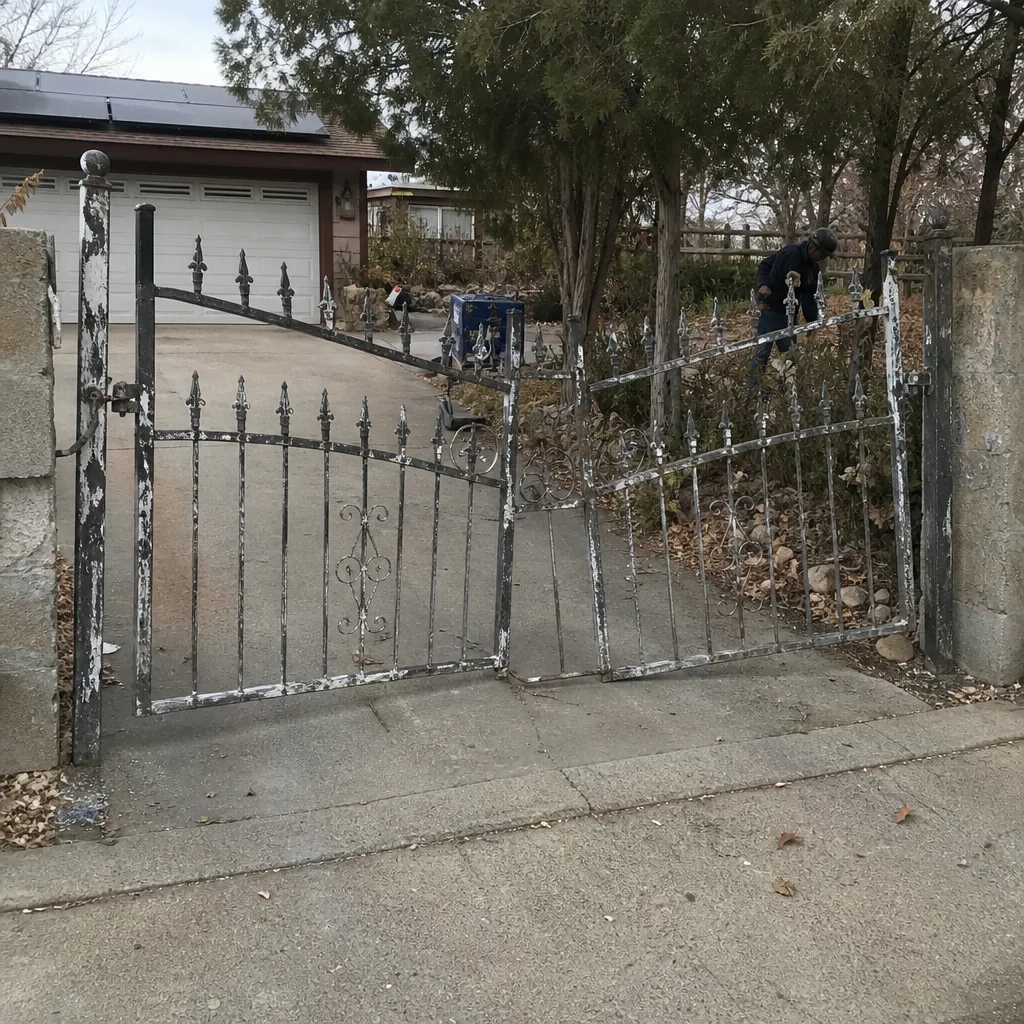 Before
 After
 Before
 After
 Before
 After
Frequently Asked Questions
You can safely and legally handle low-voltage maintenance like cleaning sensors, resetting remotes, and lubricating hardware. Any repair involving 120-volt wiring, a new opener install, or the safety reverse system requires a licensed electrical contractor in Nevada. When in doubt, treat it as licensed work.
Yes, in many cases. Most major brands, including LiftMaster and Linear, exclude damage from unauthorized or non-professional adjustment and repair. Adjusting force or limit settings yourself is the most common way coverage gets denied. A certified technician preserves the warranty terms.
Small fixes like sensor cleaning or remote reprogramming typically run under $100, while motor or board replacements and welding repairs fall in a higher range depending on the part and the brand. Every job is quoted and agreed before work starts, so you’ll know the price up front. Call (888) 276-7609 for an exact quote, and estimates are free.
No. A gate that reverses without an obvious obstruction is signaling a safety system fault, and that system protects people from entrapment. Diagnosing it correctly usually means checking photo-eye alignment, the safety edge, and the force settings. Have a professional look before you adjust anything.
If the repair needs only hand tools and a cloth, it’s likely safe DIY. If it calls for a multimeter, a welder, or torque specifications, it’s professional territory. The tools tell you the risk category more honestly than your general confidence does.
Yes, our technicians are trained and equipped on nine gate-automation brands, from LiftMaster and FAAC to BFT and Linear, and handle everything from wiring and safety edges to welding and hinges. Every job is backed by our written 90-Day Done Right Promise. Call (888) 276-7609 to schedule a free measure and a written price.
The Bottom Line
The DIY-versus-professional question isn’t really about whether you’re capable. It’s about legal exposure, warranty preservation, and the hidden cost of a repair that looks right and fails dangerously. Handle the lubrication, the sensor cleaning, and the remote resets yourself. Hand off anything touching line voltage, the safety reverse system, structural welding, or a warranty you want to keep. Judge each repair by its tools and its failure mode, not by how handy you feel. Done right, and backed in writing. That’s the standard we hold, and it’s why a live person answers the phone at any hour. If you want a free second opinion on any written estimate, or a straight answer on which category your repair falls into, that call costs you nothing.
For gate repair, motors and openers, access control, or welding across Boulder City, see our Ironworks Gate Co. Boulder City home page or explore Gate Motor & Opener in Winchester for the automation side of the work.
Ready to stop guessing and get it done right? Call Ironworks Gate Co. at (888) 276-7609 for a free estimate. A live person answers 24 hours a day, seven days a week. We’ll quote the job before we touch a bolt, and we stand behind every repair with our written 90-Day Done Right Promise.
Written by the team at Ironworks Gate Co. Boulder City.