
Last updated November 17, 2026
 Wrought iron
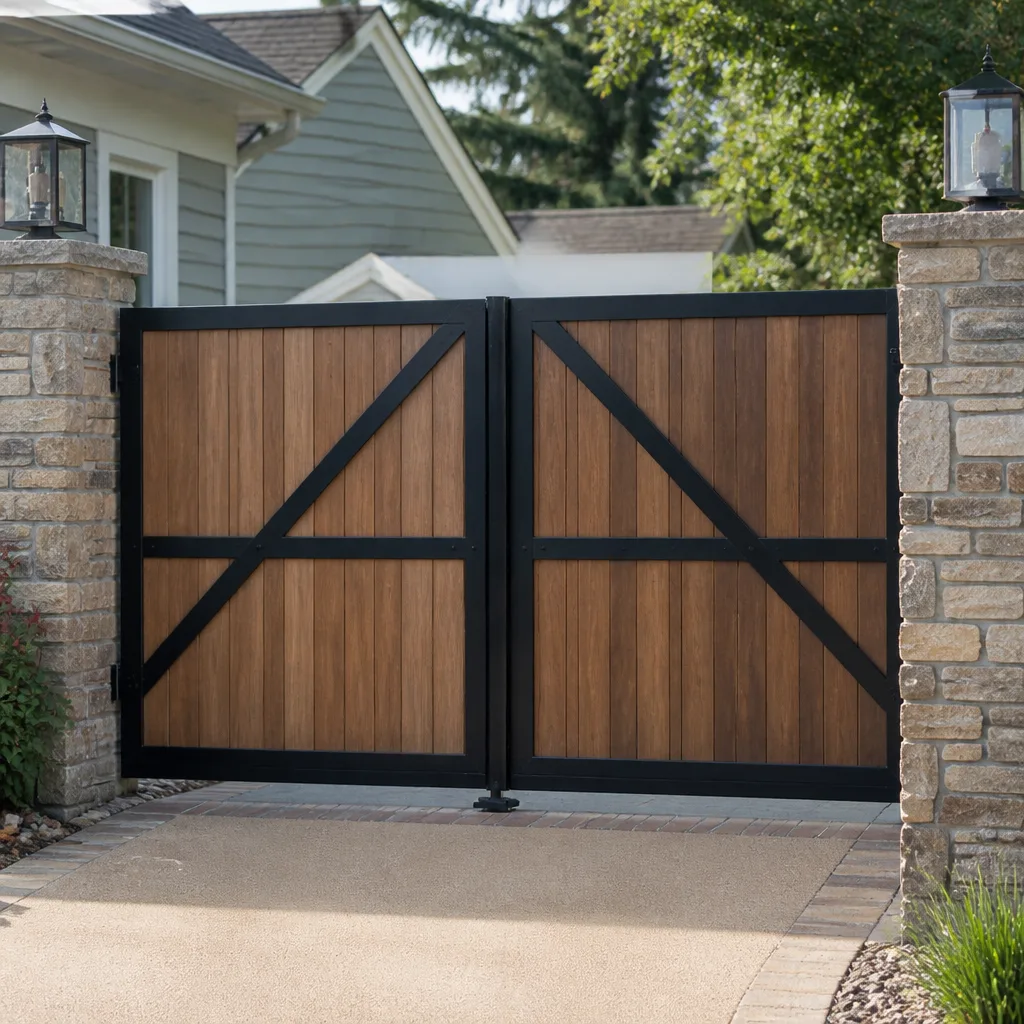 Wood & steel frame
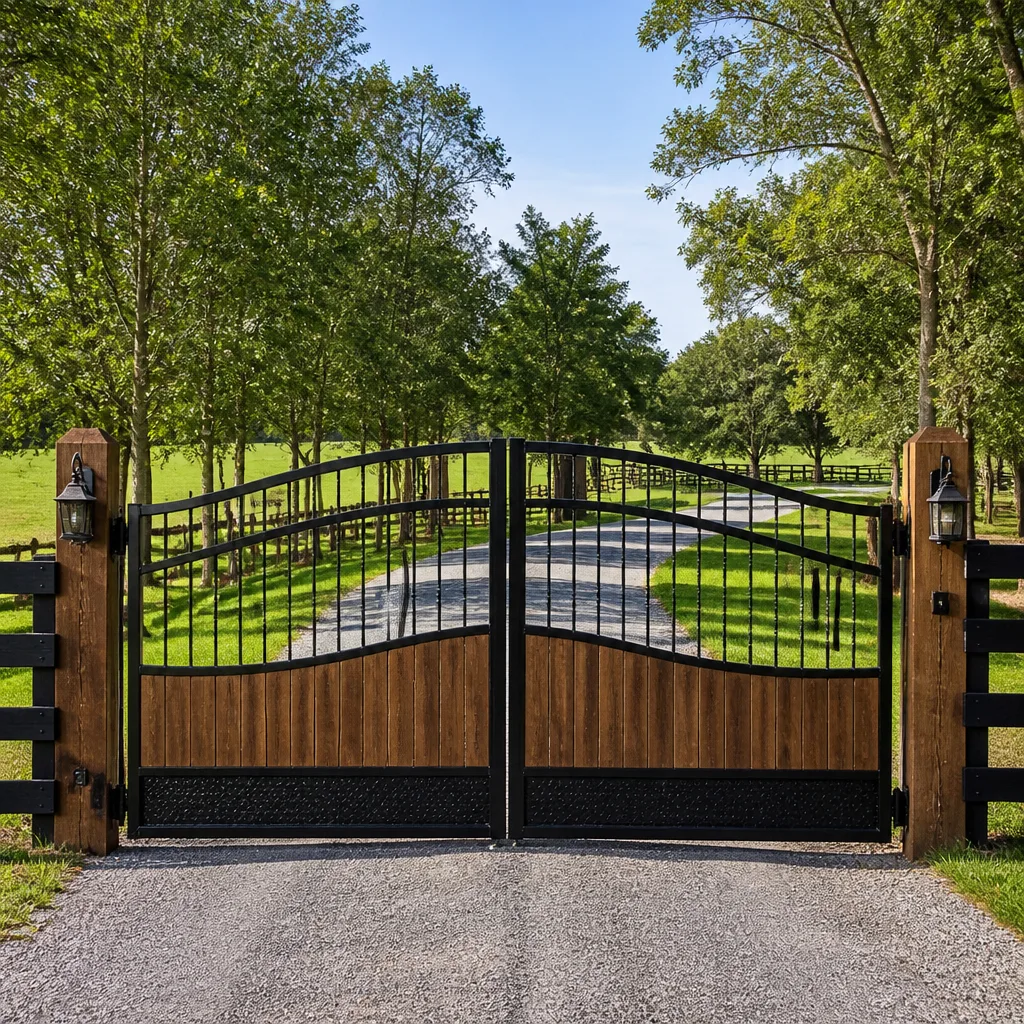 Farm & ranch
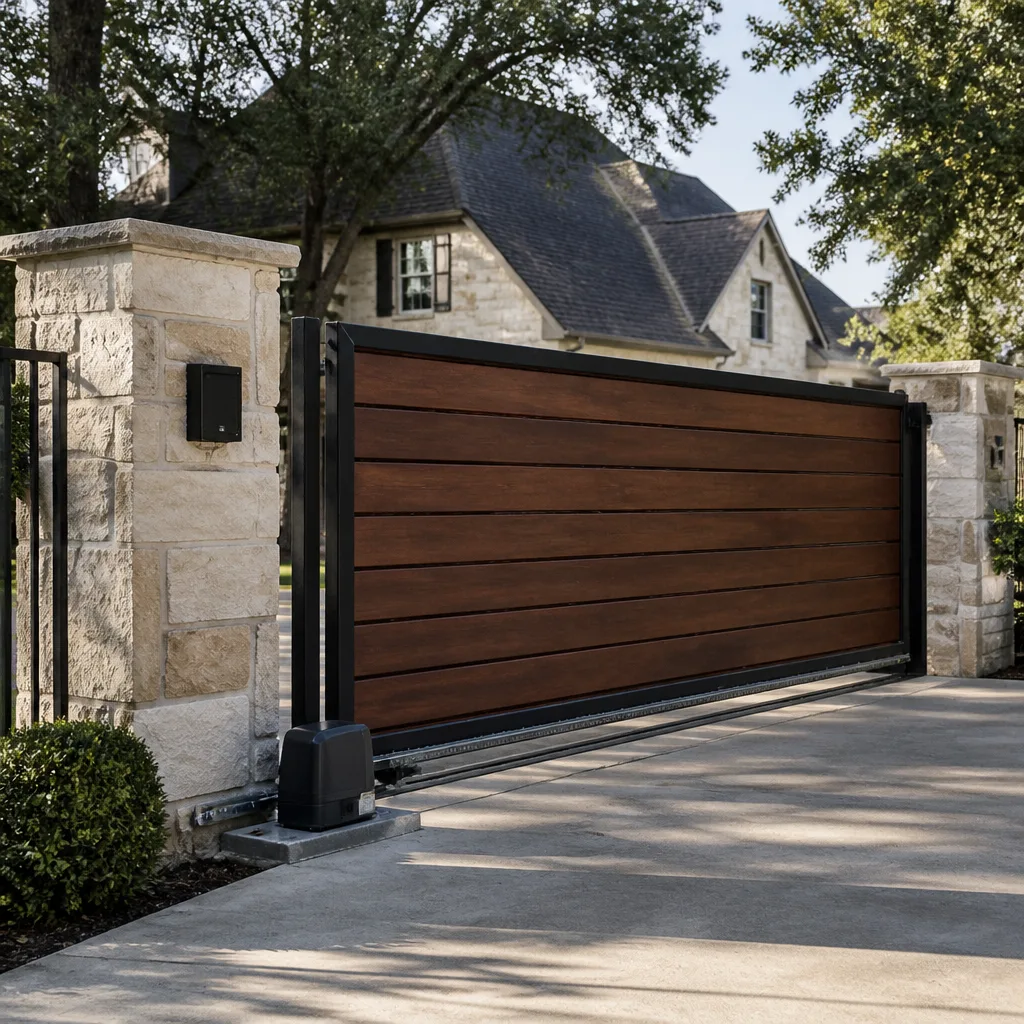 Sliding driveway gates
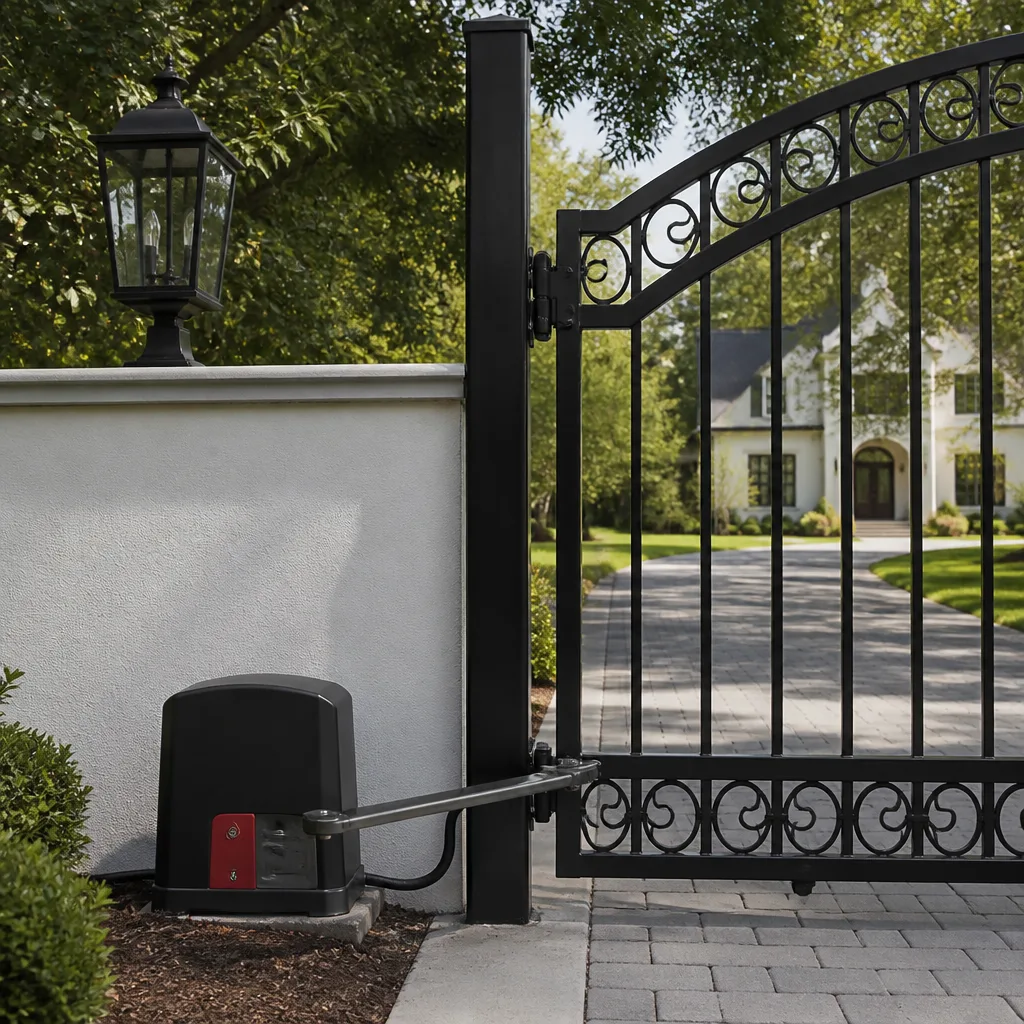 LiftMaster operators
Free on-site gate assessment - hinges, posts, and your LiftMaster or Nice gate operator checked before anything is quoted
The assessment is free and the quote is the invoice.
Get your free estimateHow Long Does Gate Installation Take? Timelines and What to Expect
A single-swing driveway gate can be hung in four hours. But the full installation, done correctly, almost never finishes the same day it starts, and the honest breakdown of why matters more than any contractor’s optimistic estimate. Most homeowners get quoted a timeline for the gate itself and nothing else. No one mentions the concrete cure window, the permit queue at the county, or the low-voltage run that has to be trenched and inspected before the operator will move. This guide separates the job into its real phases, each with its own clock, so you can plan around your life in Boulder City instead of around a promise that quietly slips a week.
Quick Answer
Most driveway gate installations take three to ten working days from first dig to final test, not the one or two days commonly quoted. The gate hang itself is fast. The clock is driven by three things: concrete cure time for the posts (a non-negotiable 24 to 48 hours), permit review through Clark County, and the automation wiring and testing that come after the metal is set. A simple single swing gate on prepared ground is the short end; a dual swing or slide gate with access control sits at the long end.
Styles & brands we work with
- Wrought iron
- Wood & steel frame
- Farm & ranch
- Sliding driveway gates
- LiftMaster operators
Table of Contents
- The Five Phases of a Gate Installation, Each on Its Own Clock
- Why Rushing Concrete Cure Is the Number One Cause of a Sagging Gate
- Permits in Clark County: The Delay Nobody Quotes You
- How Long by Gate Type: Swing, Dual Swing, Slide, and Bi-Fold
- Best Case vs. Typical Case: A Chart to Hold Contractors Accountable
- Automation and Wiring: The Quiet Middle of the Job
- Common Mistakes to Avoid
The Five Phases of a Gate Installation, Each on Its Own Clock
Think of a gate installation as five separate jobs that happen in sequence. Each one has a duration you can predict and a reason it cannot be compressed. When a contractor quotes you “about a day,” they are quoting one phase and hiding four.
- Layout and site prep. Marking the opening, checking the grade, locating utilities, and digging the post holes. Half a day to a full day depending on soil and how many buried lines run through the driveway apron.
- Post setting and concrete cure. Posts go in and get leveled, then concrete goes around them. The concrete needs a minimum of 24 hours and preferably 48 before it carries the weight of a gate. This is dead time you cannot argue with.
- Gate hanging and hardware. Fabricating or fitting the leaf to the opening, welding hinges, setting the latch, adjusting the swing. Two to four hours for a single swing on solid posts.
- Operator and wiring. Mounting the opener, running low-voltage control wire, installing keypads, safety edges, and photo-eyes, then trenching any buried run. Half a day to two days depending on distance and whether conduit is already in.
- Final testing and handoff. Cycling the gate under load, checking the safety reverse, setting the open and close limits, walking you through the remotes and keypad. One to two hours.
Add those together honestly and you land where most Boulder City installs actually land: several days on site spread across a week or two, with the concrete cure and the permit sitting in the middle as the two things that set the pace. We’ve walked homeowners through this sequence many times, and the ones who understand the phases up front are the ones who don’t spend the last week of the project frustrated with a nice gate that isn’t quite finished.
Why Rushing Concrete Cure Is the Number One Cause of a Sagging Gate
Concrete does not reach its working strength in a few hours. It sets enough to look solid within a day but keeps gaining strength for weeks. When a contractor hangs a heavy gate leaf the morning after pouring, the posts can shift under the load before the concrete has had a chance to lock them. The gate looks fine on install day. By the following spring the gate leaf is dragging on the ground, the latch won’t catch, and the whole thing is out of square.
Our technicians have up to 13 years of experience, and the sagging gates we get called out to look at are, more often than not, installs where the cure window was cut short to save a day. The fix is rarely cheap because the posts have to come back out. The prevention is a single instruction: let the concrete cure.
The rule we work by is simple:
- 24 hours is the bare minimum before any weight is hung on a new post, and it should be treated as a floor, not a target.
- 48 hours is the practical window for a dual swing or a heavy slide gate, where the posts carry more sideload.
- Hot weather in Boulder City means concrete cures faster on the surface but can crack if it dries too quickly, so it gets covered and kept damp, which does not shorten the window.
- No amount of “we do this all the time” makes a six-hour cure acceptable. It is the single most common reason a gate fails in its first year.
When a schedule is quoted to you, ask where the cure window sits. A contractor who can point to it plainly is one who is planning the job correctly.
Permits in Clark County: The Delay Nobody Quotes You
Before a shovel goes in the ground, a driveway gate that meets the street often needs a permit, and that review can add days or, depending on the time of year, a few weeks to the front of the schedule. This is the part of the timeline most homeowners have never heard about, and it’s the part that can quietly push everything back. In Boulder City, the permit requirement and review time depend on the gate’s height, its distance from the property line, and whether the operator involves a low-voltage electrical connection.
The practical sequence:
- Confirm the permit requirement with the city before ordering anything. Height and setback drive this.
- Submit the plan and site drawing and get in the review queue. This is the step that eats calendar days.
- Schedule the inspection of the posts and any electrical run once the permit is issued, before the gate goes on.
- Book the install only after the permit is in hand, because a crew showing up to a red-tagged site wastes a day for everyone.
None of this is a reason to skip the permit. An unpermitted gate can be flagged at resale, and a homeowner who sells a Boulder City property with a gate that was never inspected can end up paying to have it brought into compliance years down the line. The honest timeline includes the permit clock. A contractor who tells you it doesn’t is either cutting a corner or hasn’t done many installs here.
How Long by Gate Type: Swing, Dual Swing, Slide, and Bi-Fold
Gate type changes the timeline more than any other single factor. A single swing is the fastest. A slide gate with access control is the slowest. Here is the honest spread for a residential driveway gate, from first dig to final test, assuming normal ground and a permit already in hand.
- Single swing: typically three to five working days on site. One leaf, two posts, one operator. The fastest of the bunch because there’s only one moving side to align.
- Dual swing: typically four to six working days. Two leaves that have to meet in the middle, which means twice the hinge work and a center latch or drop rod to set. The cure window matters more here because the posts carry more.
- Slide gate: typically five to eight working days. The gate slides on a track or cantilevers, so the ground has to be flat and level along the full travel. A track install adds a concrete pad along the run, which adds its own cure time.
- Bi-fold: typically five to seven working days. Bi-fold gates fold in the middle and are often used where a swing would hit a slope or a wall. The mechanism is more complex, and the operator tuning takes longer.
If your gate is automated, add the wiring phase on top of those numbers. And if the driveway is on a slope, as many Boulder City properties are, add a day for grade work before the posts can be set true. A gate that swings downhill needs its posts set deeper and its operator tuned more carefully than one on flat ground.
Best Case vs. Typical Case: A Chart to Hold Contractors Accountable
Use this to check any schedule you’re quoted. The best case is real, but it’s rare. The typical case is what most Boulder City installs actually look like when you add the cure and the permit honestly.
- Single swing, no automation, permit not required: best case two days; typical three to four.
- Single swing with operator and keypad: best case three days; typical four to six.
- Dual swing with operator: best case four days; typical five to seven.
- Slide gate with access control: best case five days; typical six to nine.
- Bi-fold with operator tuning: best case five days; typical six to eight.
- Any type where a permit is required: add one to three weeks for review before the clock above even starts.
The point of this chart isn’t to make you suspicious of every quote. It’s to give you something concrete to compare against. When a contractor says “about a day,” you can ask, politely, whether that includes the cure window. If the answer is no, the schedule is off before the first post goes in. A square deal starts with a schedule you can hold somebody to, and the price should be settled in writing before work starts, not at the end.
Automation and Wiring: The Quiet Middle of the Job
The operator and the wiring are where a gate install either goes smoothly or gets stuck for a week. The metal part is visible and easy to estimate. The electrical part is buried, and buried work always takes longer than it looks on paper.
Here’s what’s actually happening during the automation phase:
- Mount the operator. LiftMaster and DoorKing operators are common on residential slides and swings, and each has its own mounting geometry. Getting the arm or the rail lined up takes a couple of hours.
- Run the control wiring. Low-voltage wire from the operator to the keypad or intercom, and mains power to the operator itself. If there’s no conduit in the ground, a trench gets dug, which adds a day on its own, and the trench has to clear the future gate travel so nothing gets crushed.
- Install the safety devices. Photo-eyes, safety edges, and the reversing logic that stops the gate if something gets in the way. This is code-mandated work and it is not optional.
- Tune the limits and test under load. The open and close positions get dialed in, the force limits are set, and the gate is cycled repeatedly to confirm it holds.
If you’re choosing an operator, the brand matters less than getting the right one for the gate. A Ghost Controls unit might suit a lighter residential swing where a heavier DoorKing would be overkill, and a Linear operator is a solid fit for certain slide setups. The right fix on the first visit saves the most time of anything in this phase. That’s why a specialist who works across those brands matters: we’re trained on nine of them, so the operator is chosen and tuned correctly rather than swapped out two weeks later.
Common Mistakes to Avoid
- Believing a one-day quote. Even a simple single swing cannot finish the same day it starts if the cure window is respected. Treat a one-day promise as a warning, not a bargain.
- Letting a contractor hang the gate the morning after pouring. This is the single biggest cause of a sagging gate within its first year. Ask about the cure window before you sign.
- Skipping the permit to save time. In Boulder City, an unpermitted gate can complicate a resale. The permit clock is annoying, but it’s shorter than the problems it prevents.
- Not trenching before the gate shows up. A trench dug after the posts are set means working around finished concrete. Get the utility and control runs planned and trenched before day one.
- Choosing the operator by price alone. The wrong operator for the gate’s weight and travel is a future repair. Match the operator to the gate, not the other way around.
- Not asking for the schedule in writing. A verbal timeline is easy to revise in memory. A written one holds everybody honest, and so does a written price.
- Ignoring the slope. A driveway that falls toward the street needs deeper posts and a more carefully tuned operator. If your site slopes, the install is not a standard job, whatever the quote says.
When to Call a Professional
Some parts of a gate install are genuinely dangerous. High-tension springs, buried mains power, and heavy gate leaves that can fall are not jobs for a weekend and a rented auger. If your gate sits on a slope, if the operator needs a new power run, if the posts are more than a few feet apart, or if you’re replacing an older gate whose posts have been in the ground for decades, call a trained professional. We’ve seen homeowners hurt by a falling leaf or a live wire that looked dead. That’s the case for a specialist, not a scare tactic.
If you’re weighing a full replacement against a repair, it’s also worth getting a straight answer first. A written second opinion on any estimate you’ve already received costs nothing, and it often reveals that a repair will get you years more out of a good gate. For the full scope of what we handle, see Ironworks Gate Co. Boulder City home, and if you’re in the neighboring area, Gate Installation in Winchester covers the install side in more detail. Ironworks Gate Co. Boulder City offers free estimates in Boulder City. Call (888) 276-7609 and we’ll measure the opening, explain the cure window and the permit situation, and put the price in writing before any work starts.
If the gate you have is struggling rather than failing, Gate Repair in Winchester walks through the most common fixes. If the gate closes hard or the operator is old and tired, Gate Motor & Opener in Winchester covers the brands and the likely replacements. Every completed job is protected by our 90-Day Done Right Promise, in writing, with no arguing if something isn’t right.
See the difference
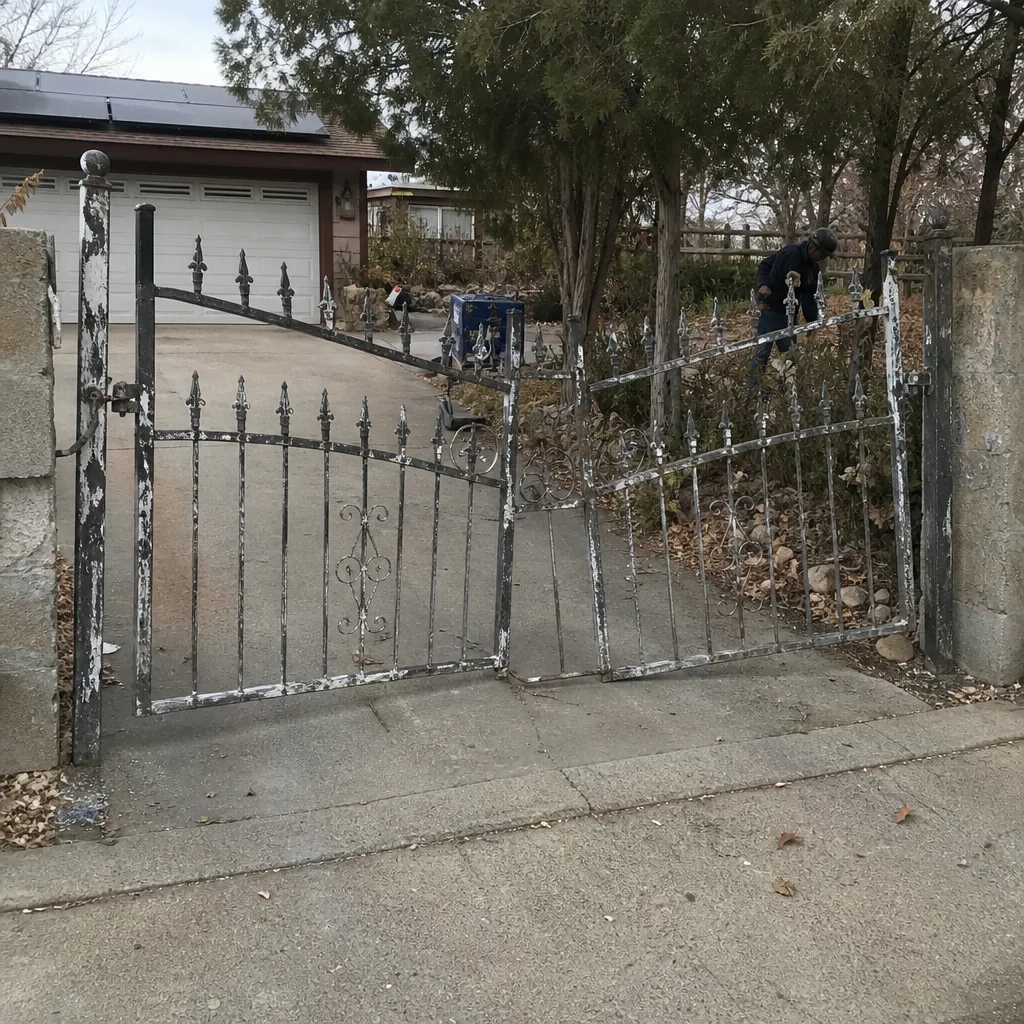 Before
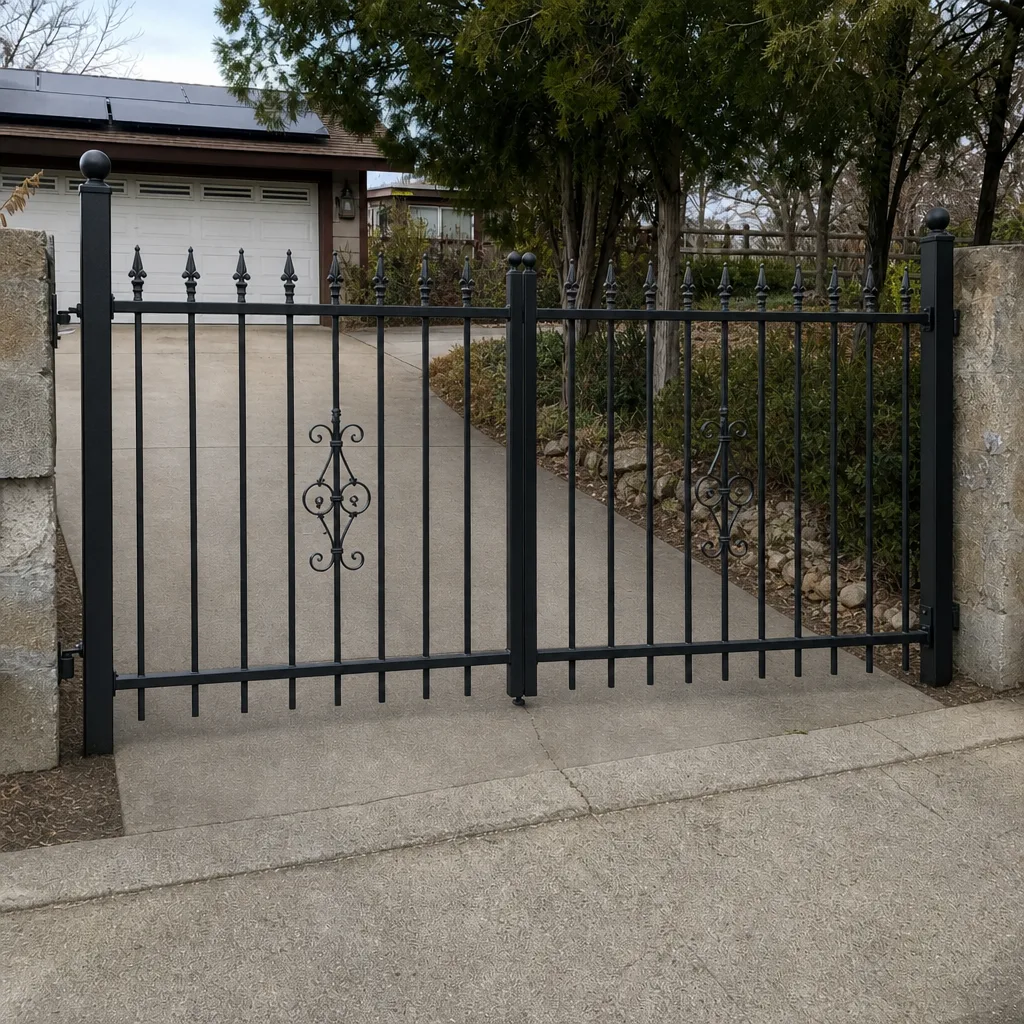 After
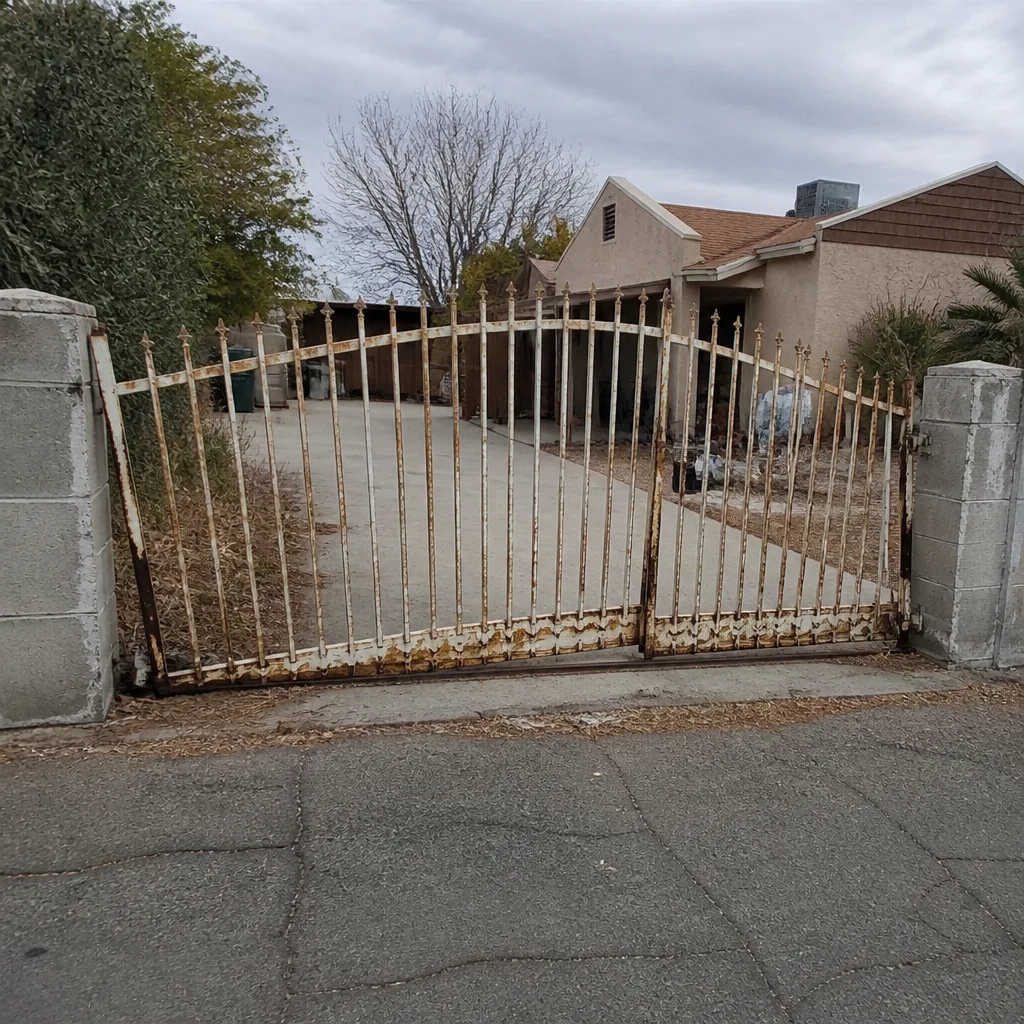 Before
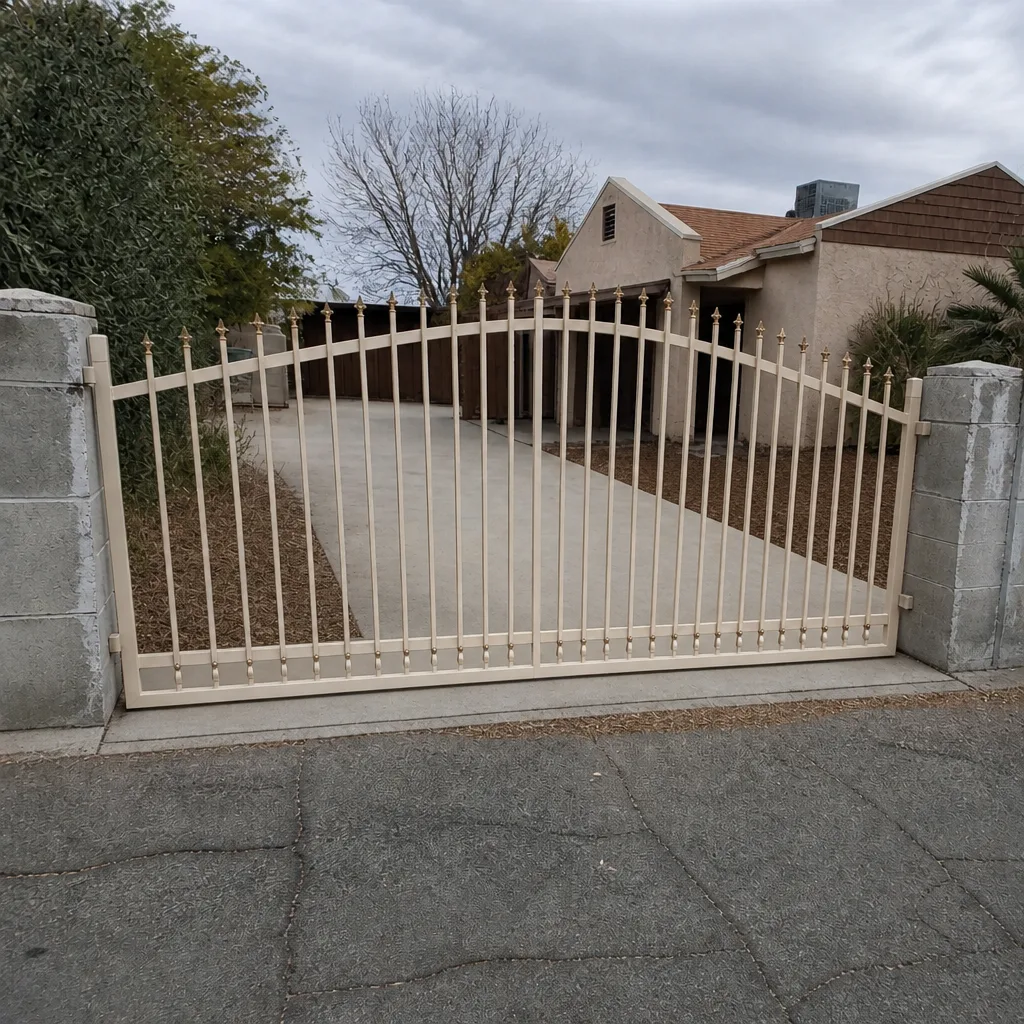 After
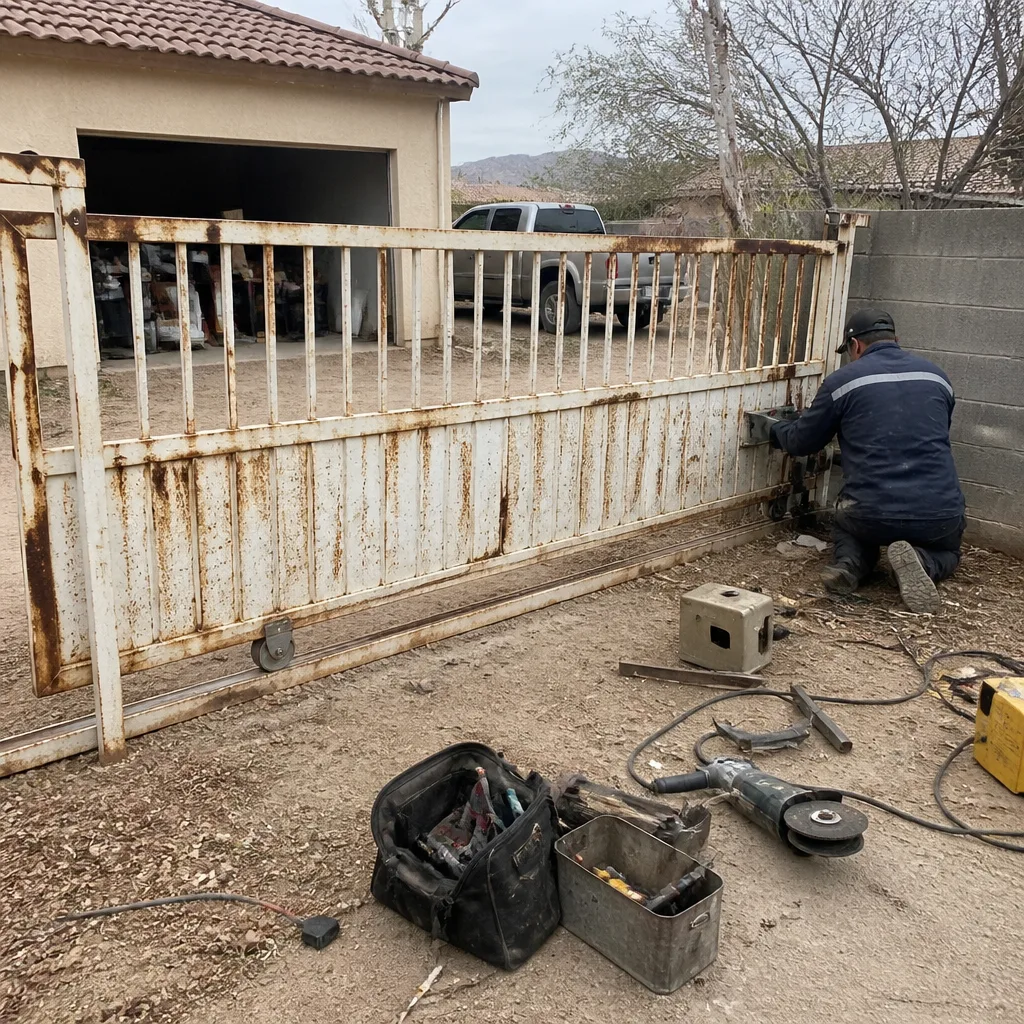 Before
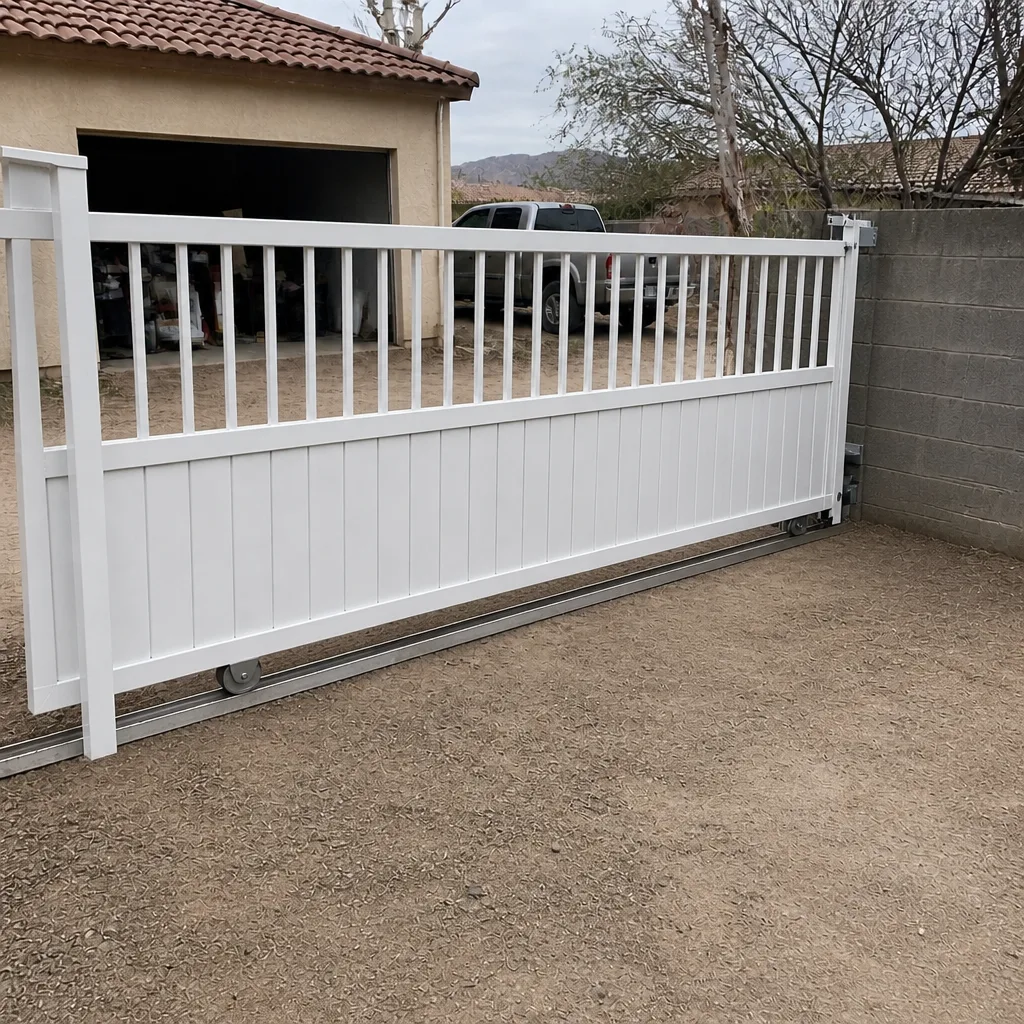 After
Frequently Asked Questions
Most Boulder City gate installs take three to ten working days from first dig to final test, with the gate hang itself only a few hours. The rest of the time is concrete cure, permit review, and automation wiring. Call (888) 276-7609 for an exact quote for your opening, free of charge.
No. A single swing gate can be hung in about four hours, but the concrete needs at least 24 hours to cure before it carries the gate’s weight, so a full install cannot finish the same day it starts. Anyone quoting a one-day install is skipping the cure window, and that’s how gates end up sagging within a year. Call (888) 276-7609 to schedule a proper install.
Concrete needs 24 to 48 hours to reach the strength that holds a heavy gate leaf steady. Hanging the gate before then lets the posts shift under load, which shows up as sagging, dragging, or a latch that won’t catch. It is the most common cause of early gate failure, and it is entirely preventable.
Often, yes. A driveway gate that meets the street typically needs a permit depending on its height and setback, and the review can add one to three weeks before the install clock even starts. Confirm the requirement before ordering anything, and get the inspection scheduled once the permit is issued. Call (888) 276-7609 and we’ll explain what applies to your property.
A slide gate needs a flat, level run along its full travel, which usually means a concrete pad and its own cure time, plus a more involved operator mount. That extra ground work and tuning is why a slide gate typically runs five to eight working days instead of three to five. Call (888) 276-7609 for a timeline specific to your gate type.
The operator mounts to the gate’s frame, mains and low-voltage control wire run to the keypad or intercom, and the mandated safety edges and photo-eyes get installed and tested. If there’s no conduit in the ground, a trench is dug, which adds a day. This phase is where the right operator for your gate saves the most time. Call (888) 276-7609 and we’ll walk through the right fit.
The Bottom Line
A gate installation takes longer than the gate itself, and the honest number is three to ten working days, not one or two. The clock is set by three things: concrete cure of 24 to 48 hours that you cannot argue with, a permit review that takes as long as the county takes, and automation and wiring that quietly eat a day or more. The gate hang itself is the fast part. If you plan around the real phases, you won’t be the homeowner waiting on week three for a gate that was promised in a day. A written schedule and a price settled before work starts are the two things that keep any job honest, and a gate done right stays right for a long time.
Contact
If you’re ready to plan a gate install or get a straight answer on a schedule you’ve already been quoted, call Ironworks Gate Co. Boulder City at (888) 276-7609 for a free estimate. We’ll measure the opening, explain the cure window and permit situation for your property, and put the price in writing before a single bolt is turned. Live person answers the phone around the clock, and our technicians are background-checked and uniformed on every job.
Written by the team at Ironworks Gate Co. Boulder City.