
Last updated November 17, 2026
 Wrought iron
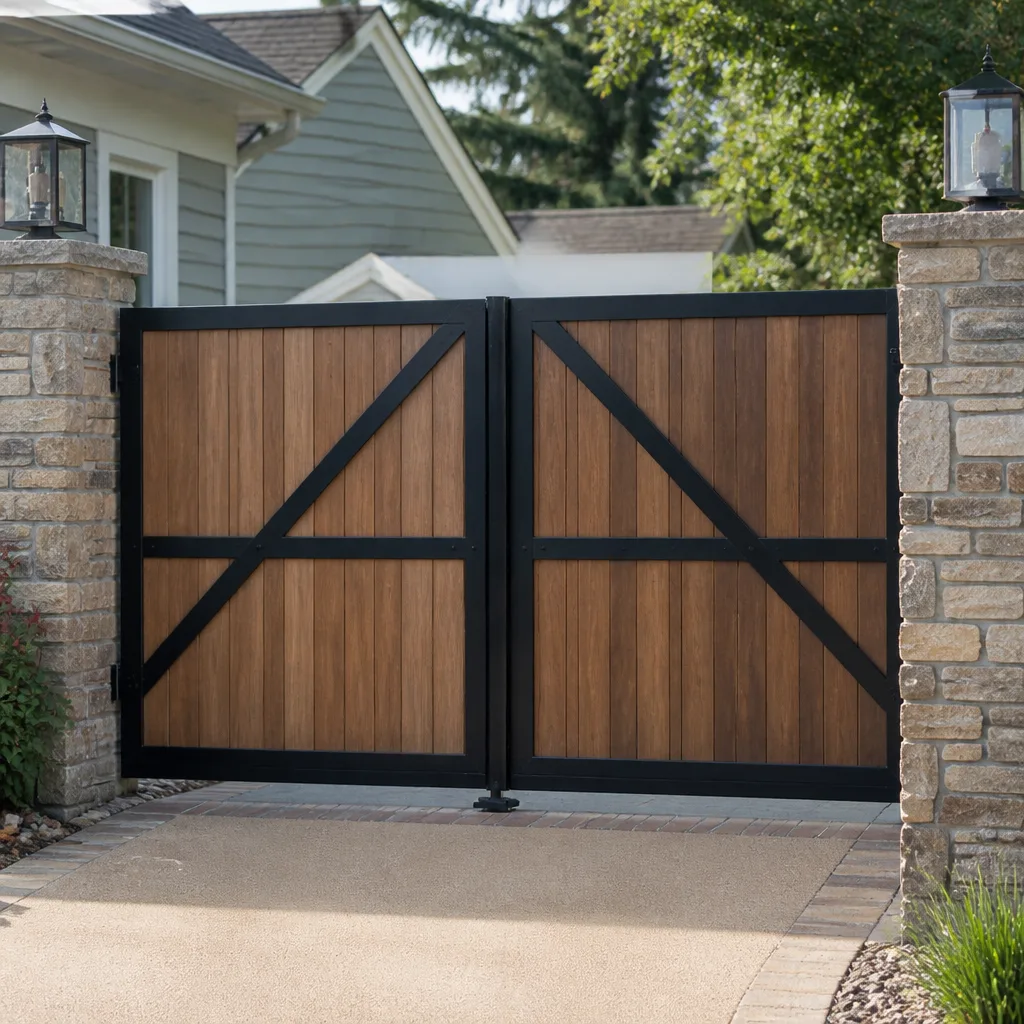 Wood & steel frame
 Farm & ranch
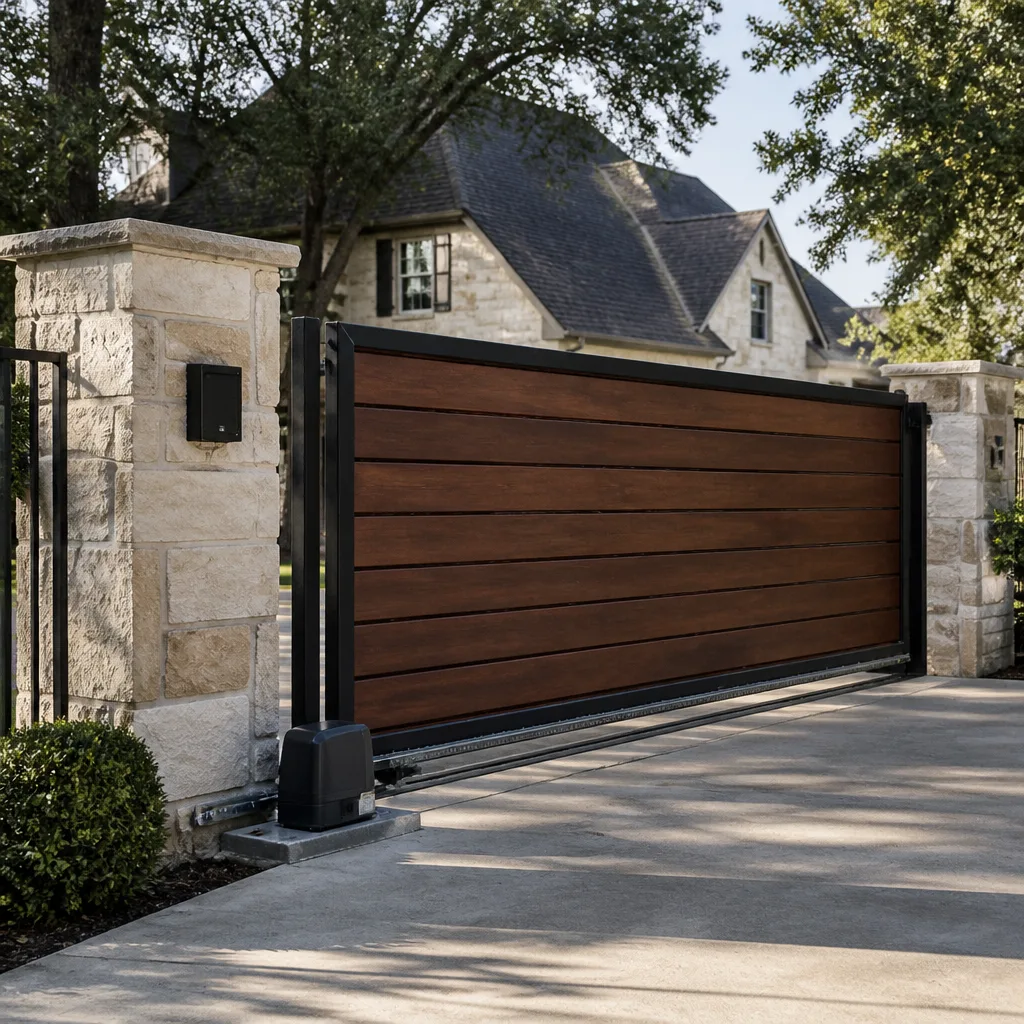 Sliding driveway gates
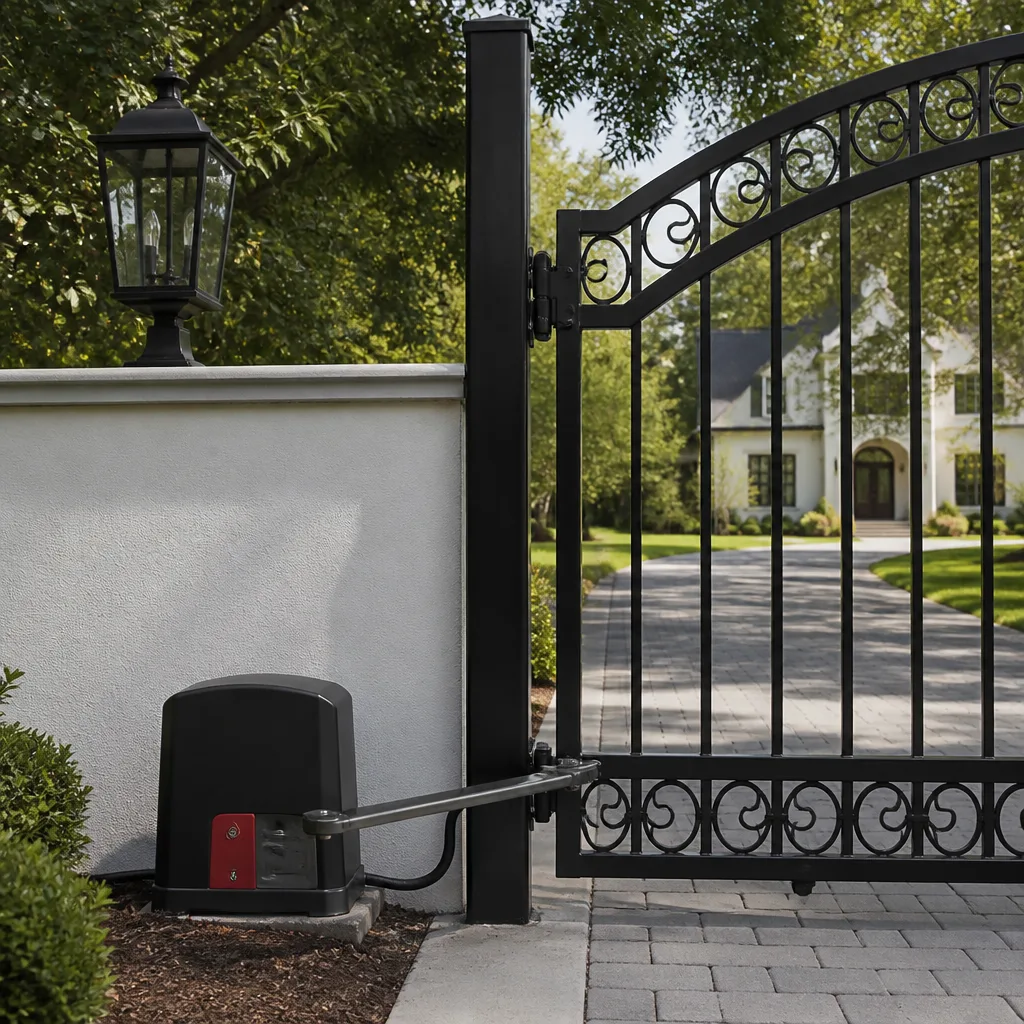 LiftMaster operators
Free on-site gate assessment - hinges, posts, and your LiftMaster or Nice gate operator checked before anything is quoted
The assessment is free and the quote is the invoice.
Get your free estimateGate Repair Warning Signs Every Homeowner Should Know
A gate that hesitates for half a second before it moves is showing you something. So is one that works fine in the morning but struggles in the afternoon, or one whose remote range has quietly shrunk from 30 feet to 10. These are not quirks. They are a system telling you its remaining useful life in plain language, and most homeowners walk past them every day without recognizing what they mean. The gate that stops working entirely has already delivered its last warning. This guide covers the quiet signs that come first, the five-minute inspection you can do at the gate itself with no tools, and how acting early in Boulder City saves real money over waiting for failure.
Quick Answer
The warning signs that matter most in gate repair are behavioral changes, not visible damage: hesitation at the start of travel, time-of-day variation in performance, shrinking remote range, new noises, and inconsistent stopping points. Any one of these means the gate is signaling wear in the motor, boards, chain, hinges, or alignment weeks before a breakdown. Catching two or more at once is your cue to book repair rather than wait for the gate to fail closed.
Styles & brands we work with
- Wrought iron
- Wood & steel frame
- Farm & ranch
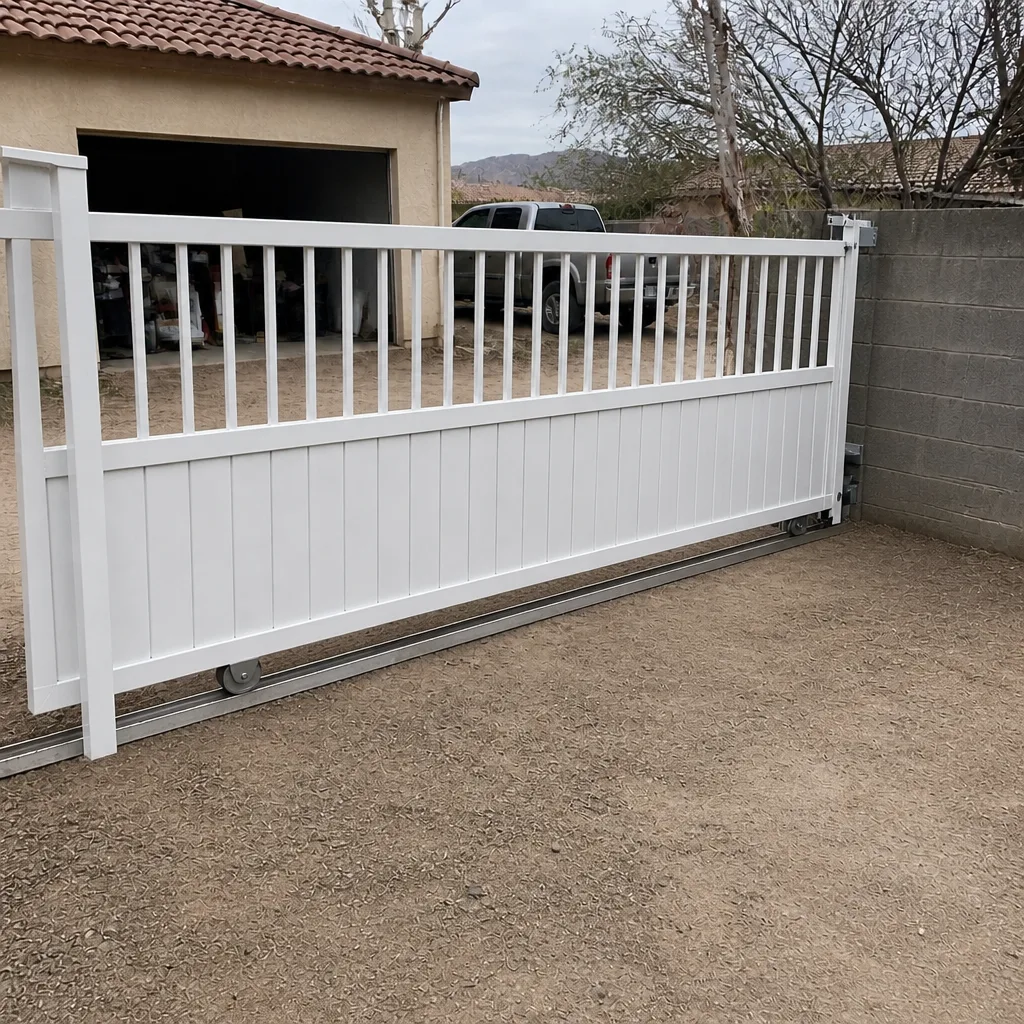
- Sliding driveway gates
- LiftMaster operators
Table of Contents
- The Five Behavioral Changes That Matter Most
- Normal Aging vs. Accelerating Failure
- The Five-Minute Inspection You Can Do Yourself
- Swing Gate Warning Signs vs. Slide Gate Warning Signs
- The Cost Difference: Early Repair vs. Waiting for Failure
- How Boulder City Conditions Speed Up Gate Wear
- Common Mistakes to Avoid
- When to Call a Professional
The Five Behavioral Changes That Matter Most
Dramatic failures get the attention. A gate hanging sideways or a motor smoking in the driveway is impossible to ignore. But by the time a gate reaches that point, you have usually owned weeks or months of quiet warnings. In our experience across Boulder City, the gates that fail hardest are the ones whose owners never noticed the small stuff. Five specific behaviors are worth knowing, because each points to a particular part of the system under strain.
- Hesitation at the start of travel. A half-second pause before the gate moves, especially when it wasn’t there a month ago, usually points to a failing start capacitor or a control board sending an inconsistent signal. On older LiftMaster operators, we see this in the pre-failure stage of the capacitor.
- Time-of-day variation. A gate that runs cleanly at 7 a.m. and struggles at 2 p.m. is telling you something about heat. Metal expands in the afternoon sun, and if the alignment or track is already marginal, the afternoon is when the friction wins.
- Shrinking remote range. If the range fell from 30 feet to 10 over a season, you likely have a failing receiver, a weakened antenna run, or interference from something new on the property. A customer in Boulder City can spend hundreds on a new remote before learning the operator was the problem.
- New noise profiles. Gates are not silent, but they are consistent. A squeal, a grind, a rhythmic thump that wasn’t there before is the system reporting a worn bearing, a dry hinge, a loose chain, or a failing gear.
- Inconsistent stopping point. A swing or slide gate that stops short of fully closed one day and fully closed the next is showing limit-switch drift. Left alone, the gate will eventually stop in the middle of the driveway.
Any one of these is worth a look. Two or more at the same time is a signal to book repair now, not later.
Normal Aging vs. Accelerating Failure
Every gate ages. The trick is telling the difference between a gate doing its job after a decade of service and a gate in the early stage of failure. We get asked this on nearly every call. The answer usually comes down to three questions: is the change recent, is it progressive, and does it happen more than once a week?
Signals of normal aging
- Gradual, seasonal changes tied to temperature (slower in heat, slower in cold)
- Consistent and mild noise that rises slightly as the gate gets older
- A hinge or roller that needs lubrication once or twice a year
- An occasional limit-switch reset that holds after adjustment
Signals of accelerating failure
- Noticeable change within a single month, especially after a hot stretch or a wind storm
- Two or more of the behavioral changes appearing together
- A gate that runs clean one day and fails to move the next
- Any grinding, screeching, or metal-on-metal sound
- Sparks, a burnt smell, or a tripped breaker at the operator
If the gate has ever hesitated and then failed briefly, and then “fixed itself,” it did not fix itself. That is an early warning becoming a full one. In Boulder City, where afternoon temperatures climb fast in spring, a gate showing accelerating failure in April can be down entirely by July if the underlying cause (usually alignment or a dry hinge) isn’t addressed.
The Five-Minute Inspection You Can Do Yourself
You don’t need tools, a ladder, or technical knowledge to spot most of the warning signs. You need five minutes at the gate on a normal day, ideally in the early evening when the gate has been running all day. Here is the routine we walk homeowners through on the phone. We’ll point out when something is a professional repair, not a homeowner fix, because gate motors and springs carry real pinch and crush risk.
- Watch the full travel. Stand back and watch the gate open and close completely. Does it pause? Does it speed up or slow down partway? Does it hit the stops hard or glide in?
- Listen without talking. Run it with no other noise on the property. Note any squeal, grind, or rhythm that wasn’t there last season.
- Shine a light on the guides and rollers (slide gates) or the hinges and pivots (swing gates). Look for black dust, metal shavings, rust flakes, or visible wear on the bearing surface.
- Test the safety edges. With the gate in motion, gently press the safety edge along the closing side. The gate should stop and reverse immediately. If it doesn’t, that’s a call-today warning.
- Walk the driveway and look at the ground. Fresh cracks near the operator pad, a settling post, or a gate that appears to have moved off its line often mean a foundation shift.
- Run the remote from across the driveway. Note the natural range. Then run it again from inside the house. A drop of more than a few feet is worth attention.
- Watch for a “double take.” A gate that starts, stops, and starts again on its own is showing a board, safety sensor, or limit issue and should be looked at by a technician.
A quiet working gate with no hesitation and a clean travel is in good shape. Anything that fails the hearing or travel test above deserves a professional look.
Swing Gate Warning Signs vs. Slide Gate Warning Signs
Swing gates and slide gates fail differently, and the warning signs to watch for differ significantly. Knowing which gate is on your driveway tells you what to look and listen for. When we send a technician out to a Boulder City property, the very first question we ask is whether it’s a swing or a slide, because the diagnosis path is different from the start.
Swing gate warning signs
- Hinges that squeal, seize, or look rusty at the pivot
- A gate that sags and drags on the ground when closing
- The gate that used to swing freely now needs a push
- An operator arm that shudders at the halfway point
- The gate stops mid-swing and reverses without being told
- The leaf doesn’t sit flush when closed; the latch has to work harder
Slide gate warning signs
- The gate “walks” off the track at one end
- Grinding or a rhythmic thump in the rollers
- Track wear visible as polished or scored metal
- Chain or belt slack, or a chain that slaps against the housing
- The gate catches on the track on a hot afternoon
- The gate runs smoothly one direction, struggles the other
Both gate types share the same behavioral signs (hesitation, time-of-day variation, range changes, new noise, inconsistent stops), but the physical inspection routes diverge. Swing gate trouble lives in the hinges, operator arm, and frame. Slide gate trouble lives in the track, rollers, and drive chain. If you want a deeper walk-through on either repair type, our Gate Repair in Winchester page covers the repair side in more detail.
The Cost Difference: Early Repair vs. Waiting for Failure
This is the part most homeowners wish they had known earlier. Catching a gate warning sign early almost always costs less than waiting for the gate to fail, and the gap is wider than people expect. The exact repair cost depends on the gate, the operator, and the parts, but the ranges below reflect what we typically quote in Boulder City for the most common calls. The price is quoted and agreed before any work starts, always.
- Hinge lubrication or hinge replacement (swing gate): $90 – $225 when caught at the squeal stage. $250 – $500 if the gate has already begun to sag and the operator arm is strained.
- Roller or track service (slide gate): $150 – $350 when caught at the “walking off track” stage. $400 – $800 if the track is scored and the drive chain has stretched.
- Start capacitor or limit-switch adjustment: $125 – $275 as an early repair. Double or more if the hesitation has already burned a control board.
- Operator motor replacement: $600 – $1,400 when done as planned repair. $900 – $2,000 when done as emergency work after a gate has failed fully open or fully closed.
- Gate realignment (frame or post): $200 – $500 when caught early. $700 – $1,800 if the operator has failed against the misalignment and needs replacing too.
Notice the pattern. The early-repair column is real money, but it is one part, one visit. The failure column is often two parts, two visits, and a day or more of a gate you can’t use. On a Boulder City property with a long driveway, that second column also means a gate stuck open while you wait for a scheduled repair.
If another contractor has already given you a written estimate for gate repair, we offer a free second opinion, and there’s $50 off any repair over $250. We’d rather give you a square deal up front than meet you at your worst moment.
How Boulder City Conditions Speed Up Gate Wear
Boulder City is hard on gates, in ways that surprise homeowners who moved here from milder climates. The desert cycle of dry heat, wind-driven dust, and cool nights works on gate metal and motors year-round. In our experience, that means Boulder City gates tend to show warning signs earlier than the same gate in a cooler, more humid climate, and the warning-to-failure window is shorter.
Three conditions drive most of the wear we see locally.
- Afternoon heat. Metal gates on a west-facing driveway regularly hit surface temperatures well above ambient. That expansion pushes alignment tolerances, which is why gates often run clean in the morning and drag in the afternoon. On a LiftMaster or FAAC operator sized for a cooler climate, the motor works harder to push against that drag, which shortens motor life.
- Dust and grit. Fine desert dust works its way into roller bearings, hinge pins, and chain links faster than most homeowners realize. What looks like normal “old gate noise” after a dust storm is often grit grinding against dry steel. A seasonal tune-up at the change of season matters more here than in wetter climates.
- Winter cold snaps. Boulder City gets a handful of hard freezes each winter. Metal that has been expanding and contracting all summer doesn’t always handle the first cold snap well. Gates that were slightly loose in September often feel tight in December.
None of this means a Boulder City gate is doomed to fail early. It means the warning signs are worth taking seriously the first time you notice them, not waiting for a second confirmation. A gate that runs clean year-round here is a gate that’s been looked after.
Common Mistakes to Avoid
We’ve seen just about every way a homeowner can talk themselves out of a repair call. A few of these patterns come up again and again, and they cost real money.
- Watching the gate but not listening to it. Most of the earliest warnings are sounds, not sights. A gate that looks fine but sounds different is showing you a bearing on the way out. Watch and listen on the same run.
- Lubricating everything that squeaks. Wrong lubricant on a drive chain or a sealed roller bearing can attract dust and make the problem worse. A dry silicone spray on the correct points is not the same as motor oil on the track.
- Replacing the remote when the operator is the problem. If your remote range shrinks, the fix is usually at the receiver or antenna. A homeowner in Boulder City can go through two new remotes before learning the operator was the source.
- Ignoring a “self-correcting” gate. A gate that hesitates, fails, and then runs fine was not repaired by the weather. It is in the early failure stage and will fail again, often with worse consequences.
- Pushing the gate by hand to “help” it. On any motorized swing or slide gate, forcing the leaf can overstress the operator arm, bend the track, or drag a limit switch out of position. If a gate needs help to close, it needs repair, not a push.
- Waiting until a gate fails open on a windy week. In Boulder City, a gate stuck open in April is a gate stuck open for dust, debris, and whatever the wind brings in. Act on the early signs before that happens.
- Calling a generalist for a gate-specific problem. Gate motors and automation systems are their own discipline. The right fix on the first visit is cheaper than the wrong fix twice, then the right fix. If you want to see what a full installation looks like when the automation is properly specified, our Gate Installation in Winchester page walks through it.
When to Call a Professional
Some gate problems are worth a phone call, and a few are worth one today. Call a professional if the gate has failed to open or close more than once in a week, if any safety edge has failed the reverse test, if the operator has sparked, smoked, or tripped a breaker, if the gate has begun to sag or drag on the ground, or if you see two or more of the behavioral signs we’ve covered in this guide at the same time. Anything involving gate motors, high-tension springs, or wiring carries real pinch, crush, and electrical risk and belongs with a trained technician, not a weekend project.
Ironworks Gate Co. Boulder City offers free estimates in Boulder City – call (888) 276-7609. We service LiftMaster, FAAC, Elite, and six other major automation brands, and every job is protected by the 90-Day Done Right Promise, in writing.
See the difference
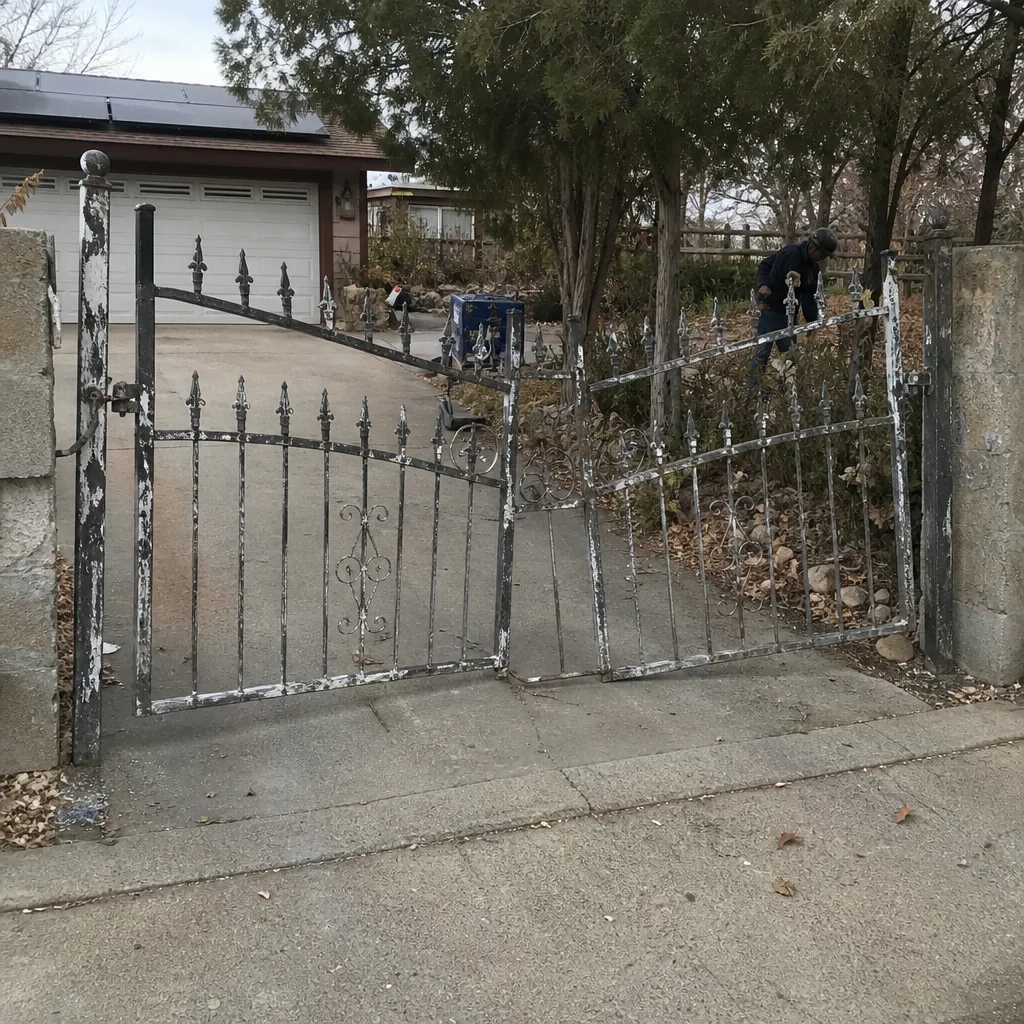 Before
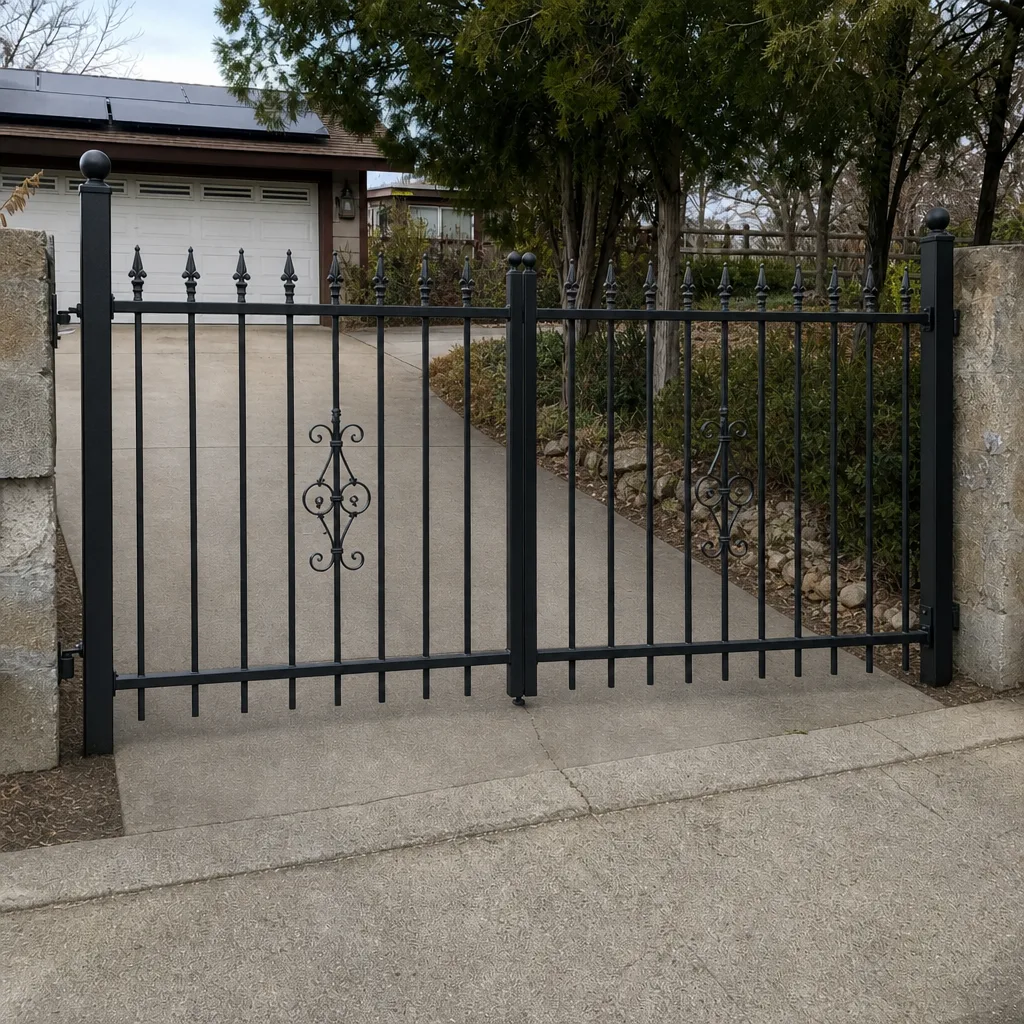 After
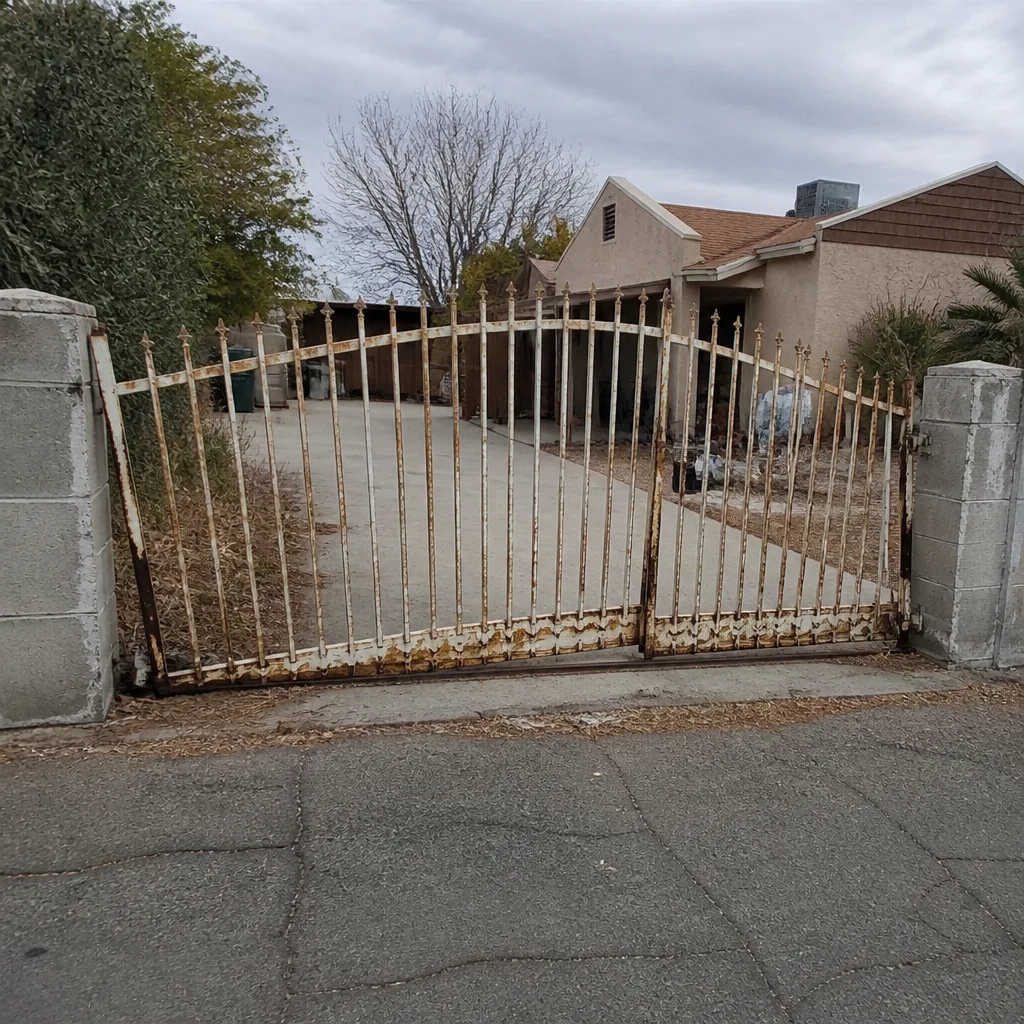 Before
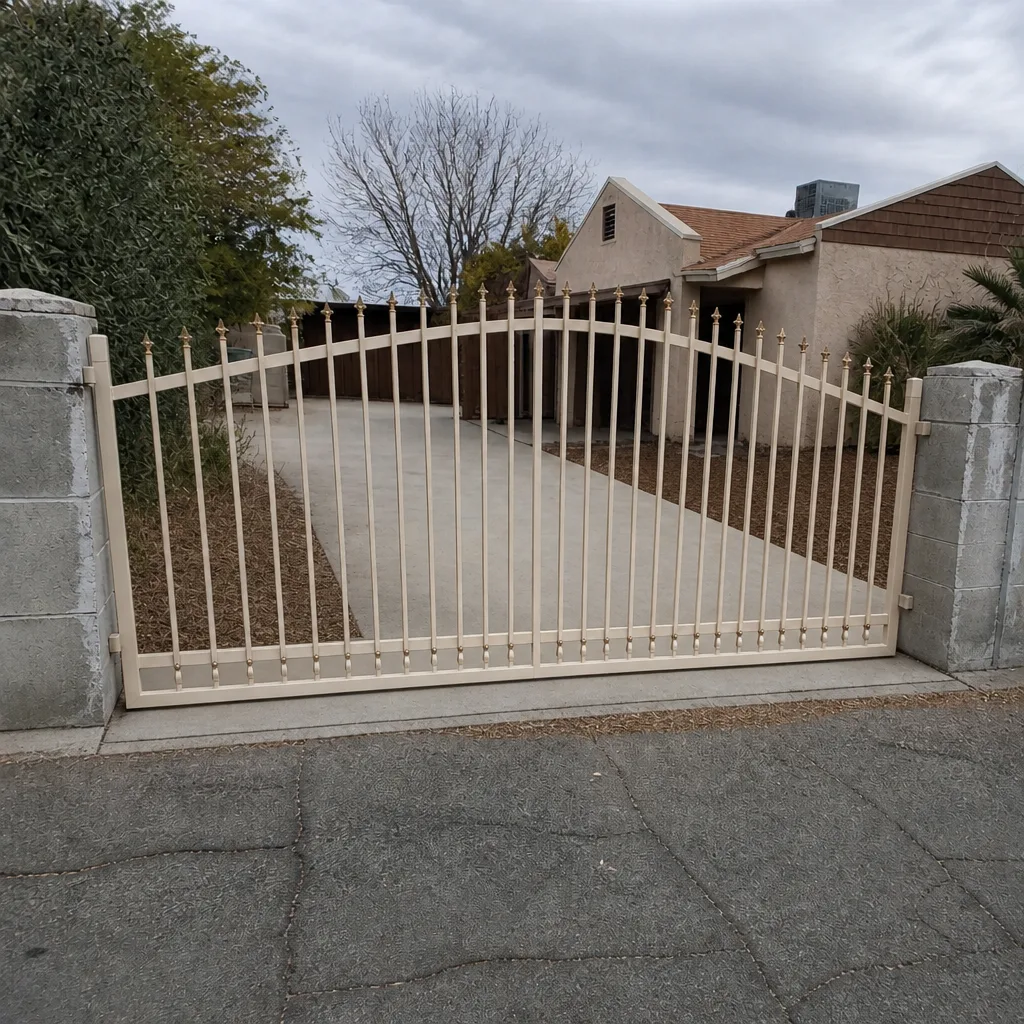 After
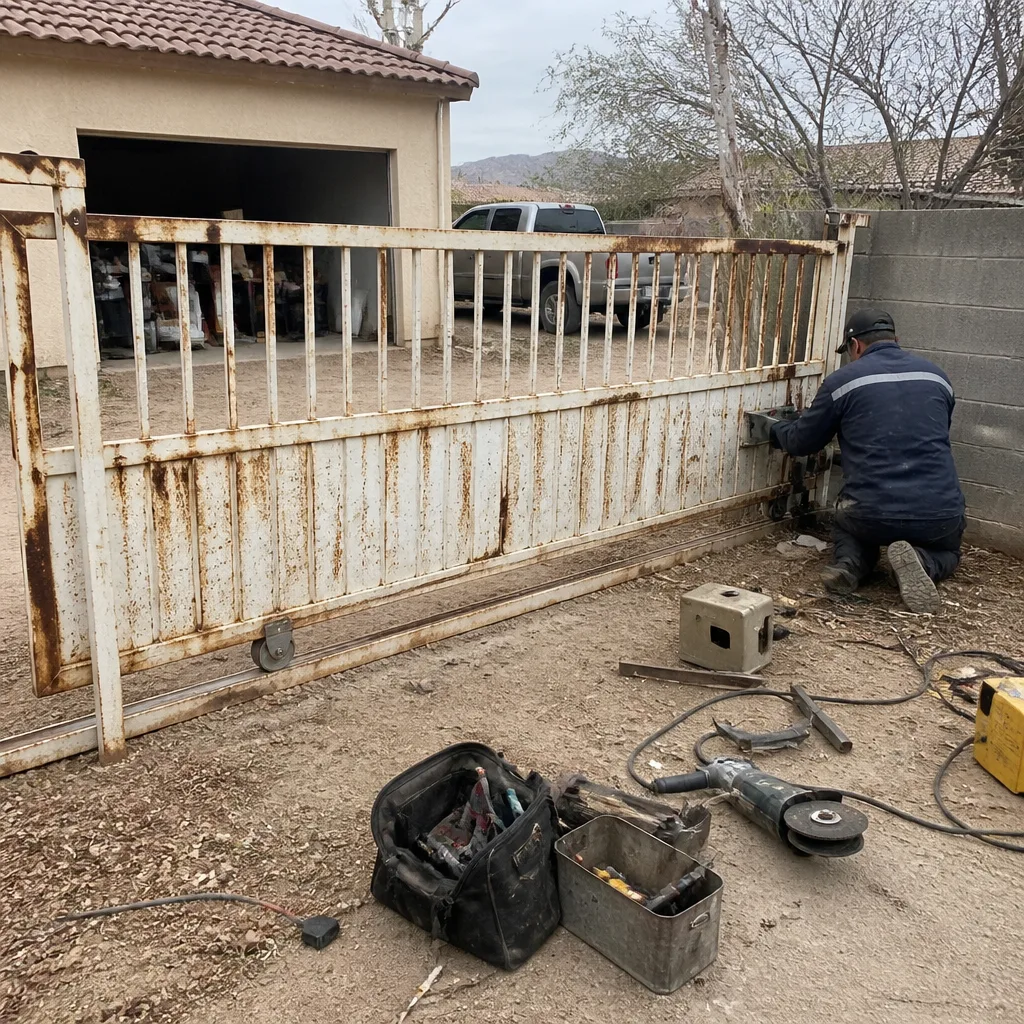 Before
 After
Frequently Asked Questions
The most common are hesitation at start of travel, a gate that runs clean in the morning but drags in the afternoon, shrinking remote range, new noises, and inconsistent stopping points. In Boulder City, afternoon heat and desert dust tend to accelerate the alignment and bearing wear that drive these signs. Call (888) 276-7609 for an exact quote if you spot two or more – estimates are free.
Most common repairs fall between $125 and $500, with hinge, roller, track, and capacitor work at the low end and motor or full realignment at the higher end. A full operator replacement typically runs $600 to $1,400 when done as a planned repair, more if it’s an emergency after the gate has failed. The price is quoted and agreed before any work starts. Call (888) 276-7609 for an exact quote on your gate – estimates are free.
Yes. A live person answers every call, 24 hours a day, seven days a week, and we schedule gate repair as promptly as we can, including emergency calls on gates stuck open or stuck closed. Call (888) 276-7609 and we’ll talk through what you’re seeing before we come out.
Normal aging is gradual and mostly seasonal: a slightly louder gate, a hinge that needs a spring lubrication. A gate about to fail changes within a single month and often shows more than one sign at once. If the gate has ever hesitated and then “fixed itself,” treat it as a warning, not a fluke. A professional inspection is quick and, at our office, free. Call (888) 276-7609.
Yes. Swing gates show hinge, sag, and operator-arm strain first. Slide gates show track, roller, and chain wear first. The behavioral signs overlap, but the repair path and parts are different. Our technicians are trained on both, and also on the automation side – if you want to see how the operator fits into the whole gate, our Gate Motor & Opener in Winchester page covers it in depth.
Every completed job is backed by a written 90-Day Done Right Promise. If the repair isn’t right, we come back and make it right – no paperwork, no arguing. It’s part of how we work, not an add-on. To learn more about the shop behind it, visit the Ironworks Gate Co. Boulder City home page, or call (888) 276-7609 and we’ll walk you through it.
The Bottom Line
The warning signs that matter aren’t the dramatic ones. They’re the quiet behavioral changes – hesitation, time-of-day variation, shrinking remote range, new noises, inconsistent stops – that show up weeks or months before a gate fails. Learn to watch for them, listen for them, and run the five-minute inspection at your gate on a normal evening. If two or more stack up, or the gate has already “fixed itself” once, book the repair. In Boulder City, the cost of early action is almost always a fraction of the cost of waiting, and a gate that’s been looked after is a gate that keeps closing like the day it was hung. When in doubt, our team at Ironworks Gate Co. Boulder City is one phone call away at (888) 276-7609.
Call (888) 276-7609 today for a free estimate on your gate repair. A live person answers – day or night.
Written by the team at Ironworks Gate Co. Boulder City.