
Last updated November 17, 2026
 Wrought iron
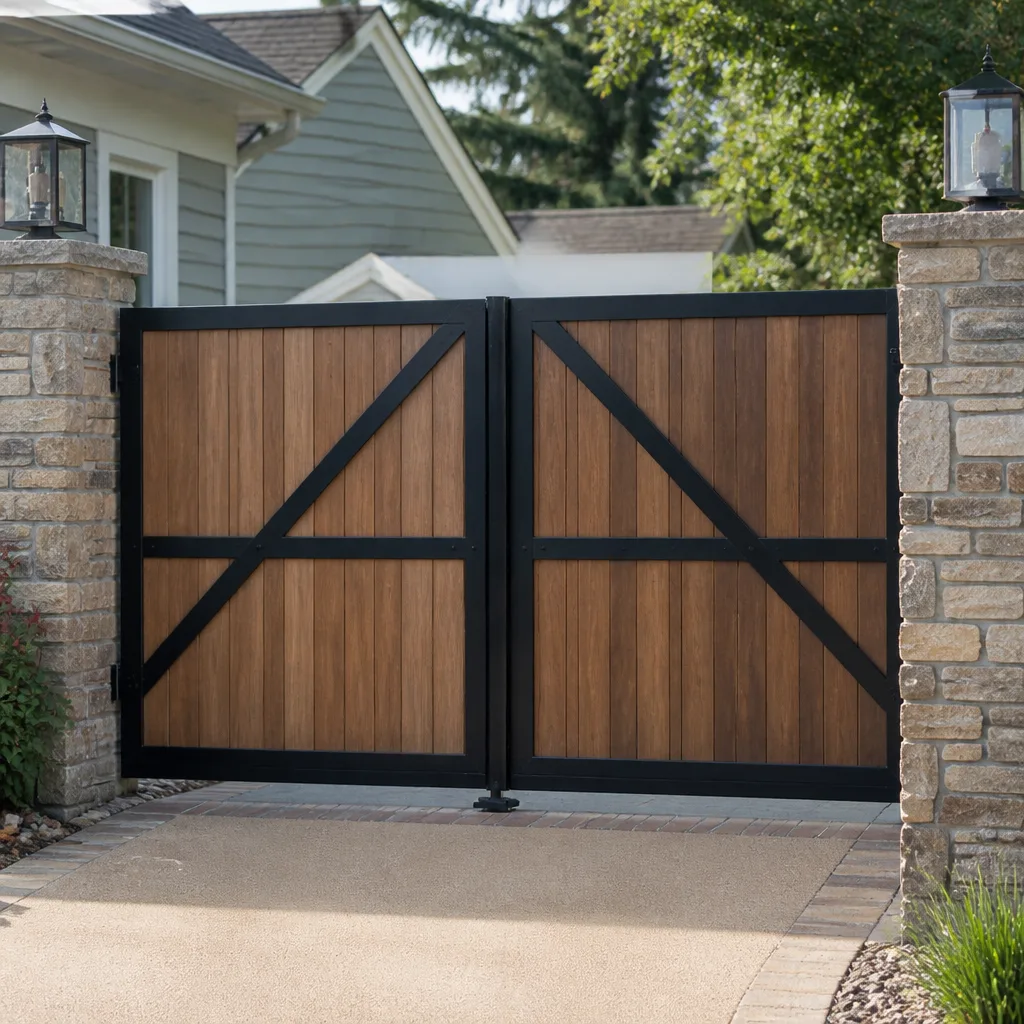 Wood & steel frame
 Farm & ranch
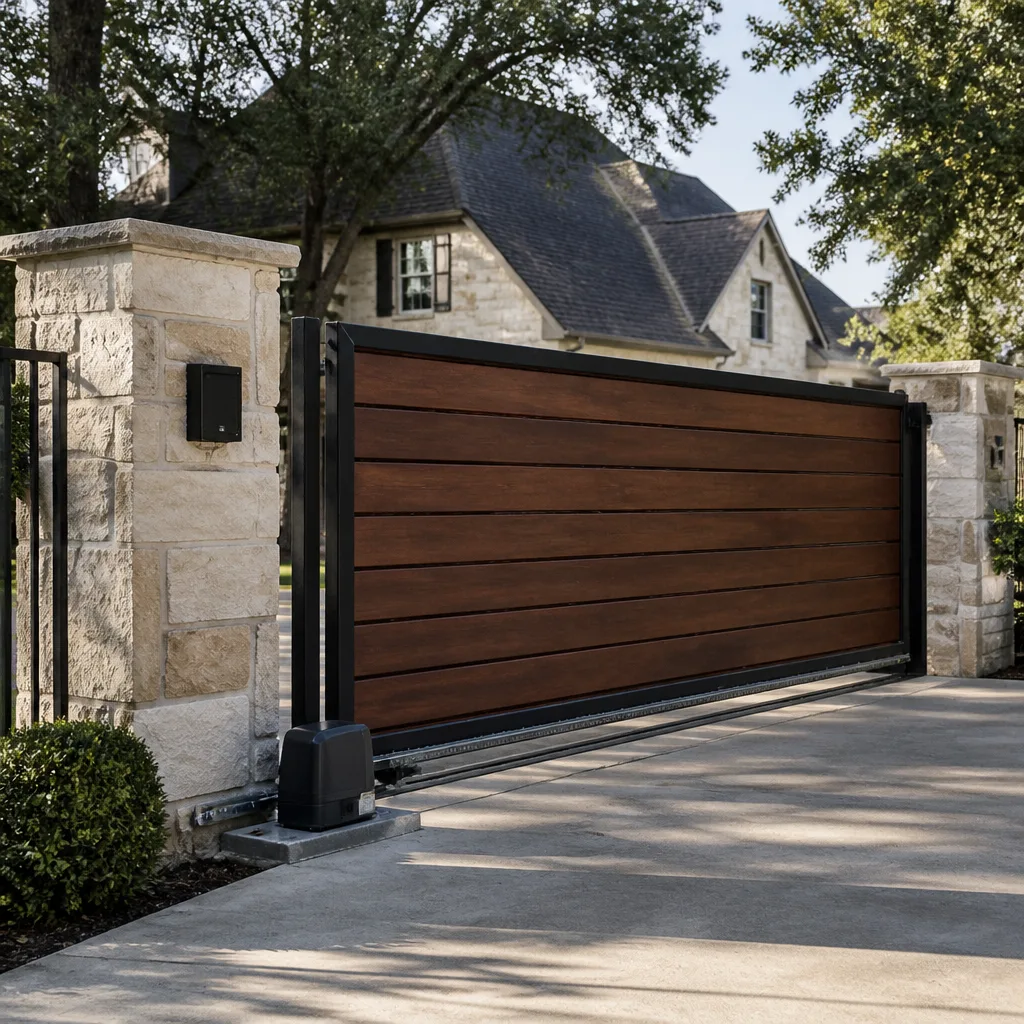 Sliding driveway gates
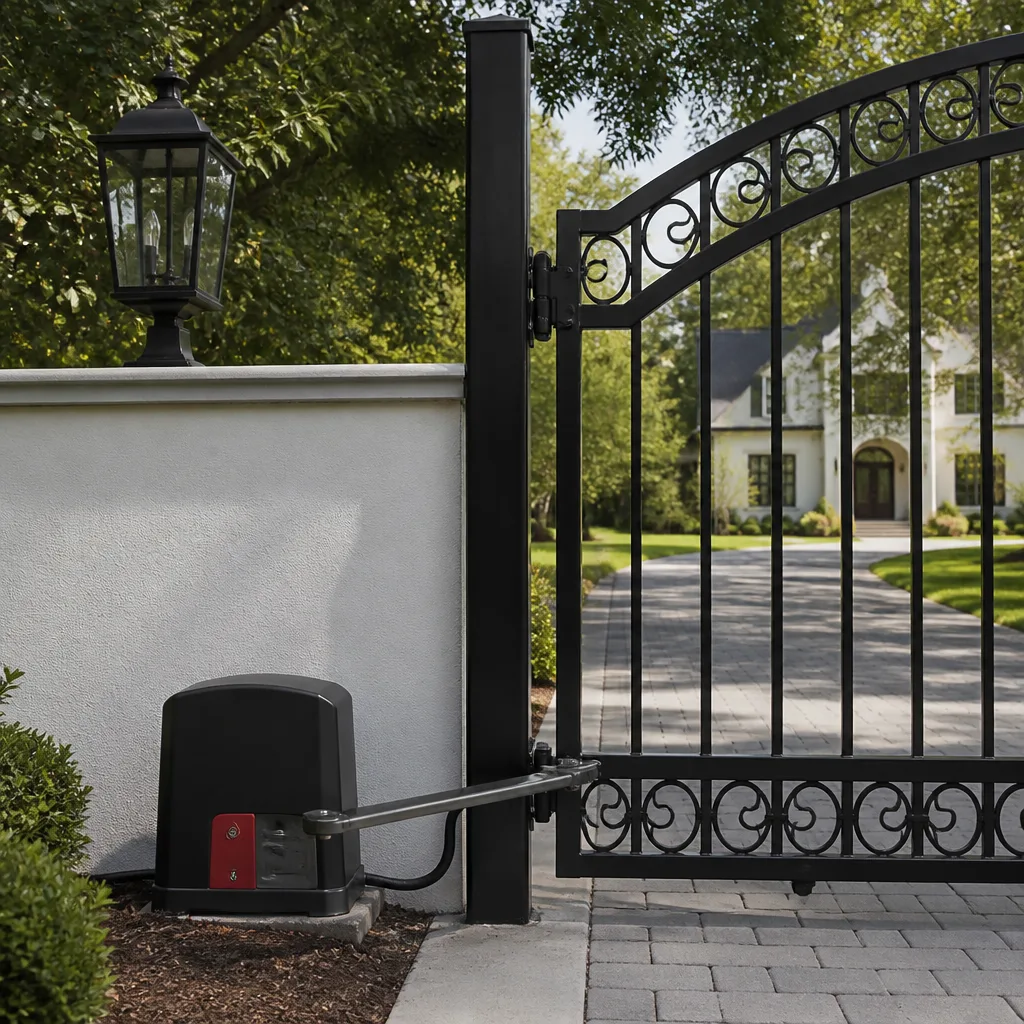 LiftMaster operators
Free on-site gate assessment - hinges, posts, and your LiftMaster or Nice gate operator checked before anything is quoted
The assessment is free and the quote is the invoice.
Get your free estimateSeasonal Gate Repair Care for Boulder City: Year-Round Homeowner’s Guide
Most gate care calendars are written for places with four gentle seasons. Boulder City doesn’t have those. Here, the season that quietly destroys gate motors and operators is winter – October through February – not summer. Overnight lows near freezing contract steel that was set and calibrated during a July afternoon, and a motor that ran easily at 90°F is working twice as hard by January. Then comes the spring alkaline dust, then the 110°F summer, then the swing of forty degrees in a single winter day. This guide lays out a maintenance calendar built for the Mojave high desert, with specific steps for each season.
Quick Answer
Gate care in Boulder City runs on a Mojave calendar, not a national one. The highest-value maintenance window is April, before sustained heat above 100°F and spring dust arrive; winter is when travel limits wander most because of metal contraction; and the two threats most guides ignore are alkaline dust infiltration into control enclosures and UV-driven seal degradation on exterior operators. Check and adjust limits in October and April, clean sensors after every dust event, and clear motor vents before June.
Styles & brands we work with
- Wrought iron
- Wood & steel frame
- Farm & ranch
- Sliding driveway gates
- LiftMaster operators
Table of Contents
- Why Boulder City’s Seasons Don’t Match National Advice
- Pre-Summer Protocol: Before the First 100°F Day
- Post-Dust-Storm Inspection and Correct Cleaning
- Winter Contraction: Adjusting Travel Limits on Common Brands
- Spring Inspection Timing: Why April Wins in the Mojave
- Weatherproofing Control Board Enclosures
- Common Mistakes to Avoid
- When to Call a Professional
Why Boulder City’s Seasons Don’t Match National Advice
Boulder City sits at roughly 2,500 feet in the Mojave high desert, and the gate care advice on most home-improvement sites was written for a place with moderate humidity and mild temperatures. The local reality is different in three ways that matter to a gate.
First, summer routinely climbs above 110°F. That’s not a comfort issue – it’s an operating temperature issue for motors, control boards, and battery backup systems. Second, spring brings alkaline dust storms that coat pivot points, weld seams, and sensor lenses with a fine, mildly caustic grit. Third, winter delivers sharp overnight drops, sometimes forty degrees between a mild afternoon and a cold dawn, and that swing moves metal in small, cumulative ways.
A gate heavy enough to feel solid in July has clearance that tightens when the steel cools. An operator calibrated in the heat is at a different starting point by January. Homeowners on the higher streets near the Eldorado Valley edge see more of this than those tucked lower in the historic downtown grid, but no gate in Boulder City escapes the cycle entirely. The maintenance schedule has to follow the weather, not the calendar on a website server in Ohio.
Pre-Summer Protocol: Before the First 100°F Day
The worst time to discover a heat problem is the first week of sustained 100°F weather, when the gate you need is the gate that just stopped. A short protocol in late May and early June prevents most summer failures. We’ve seen more heat-related operator failures in the first two weeks of a real summer than in August, because a gate that limped through spring gets pushed hard on the first hot week.
Work through these steps in order:
- Check motor ventilation and enclosure airflow. Clear any dust, cobwebs, or debris from vents and louvered panels. A blocked vent raises internal temperature by twenty degrees or more within an hour of afternoon sun.
- Verify the control board’s heat tolerance rating. Boards are rated for a maximum ambient temperature – if your operator sits in full afternoon sun against a west-facing wall, the inside of the enclosure can run twenty to thirty degrees above the outside air. Confirm the rating against the label.
- Test the battery backup under load. Heat degrades batteries faster than cold. A backup that reads fine on a trickle test can fail on the first real load.
- Lubricate hinges, pivot points, and rollers with the product specified for your gate hardware. Dry or wrong-product lubrication plus heat adds friction the motor has to overcome.
- Photograph your limit settings before anything shifts. A photo of the current travel limit position saves a lot of guessing later.
If the operator is older, this is the moment a seasonal tune-up pays for itself. A tune-up on an operator before summer costs far less than a control board replacement after a heat failure. Our technicians have up to 13 years of experience with the brands most common in Boulder City homes.
Post-Dust-Storm Inspection and Correct Cleaning
Spring dust in Boulder City isn’t ordinary dirt. Mojave soil is alkaline, and when it settles on exposed welds, pivot points, and sensor lenses, it doesn’t just sit there – it holds moisture against the metal and slowly works into seams. The correct response is inspection and a specific cleaning method, not a garden hose and a rag.
After a dust event, inspect these three areas:
- Exposed welds: Look for chalky white or orange-grey staining on weld seams and near the bases. Alkaline dust plus condensation starts corrosion in weld seams faster than in flat steel.
- Pivot points and hinges: Grit trails and stiff movement. If a hinge feels tight when you move the gate by hand, dust has reached the pin.
- Safety sensor lenses: A hazy or coated lens is the most common cause of a gate that refuses to close after a dust storm. A dirty lens mimics a real sensor fault.
For cleaning, use a soft brush and a damp (not soaking) cloth, working top down. Avoid high-pressure blasting, which drives grit deeper into pivots and can force water into seams. Use a manufacturer-approved cleaner on the sensor lens – never an abrasive. This is one of the areas our Gate Repair in Winchester technicians address routinely on high-dust-property gates.
Winter Contraction: Adjusting Travel Limits on Common Brands
Boulder City winter is where the seasonal care calendar gets counterintuitive. As overnight temperatures drop, steel shrinks, and the clearances set in July tighten. A gate that closed cleanly in summer may now bind against its stop, and the operator pushes harder to complete the cycle. That extra current is what burns out motors and strips gears over a season.
For homeowners who want the general idea, the adjustment process is usually the same across brands, but the specific button sequence and menu structure differ, and getting it wrong can drive a gate into its hard stop. Here’s the pattern, and where to get help:
- Enter the operator’s programming or limit-set mode. The button combination varies – on a Linear unit it’s often a sequence of set and open buttons, on a Ghost Controls it’s a different menu entirely. Check your specific operator’s manual.
- Move the gate to its open limit and observe whether it’s traveling cleanly or binding. If it binds before reaching the set point, the limit is tight and needs to be backed off.
- Back off the limit slightly, test the full cycle, and repeat in small increments.
- Do the same on the close side, watching the safety reverse.
On the brands most common in Boulder City – BFT, Linear, Viking, and Ghost Controls – the menu structures differ enough that guessing costs more than a service visit. For current customers on our Gate Motor & Opener in Winchester list, we adjust limits to account for both the cold morning position and the warm afternoon position, so the gate runs clean in both. This is the single most valuable winter adjustment we make.
Spring Inspection Timing: Why April Wins in the Mojave Calendar
The highest-value maintenance window in Boulder City is April, not January. By April the worst of the dust has passed, the last cold snaps are behind you, and the summer heat is still six weeks away. That six-week margin is the whole point: you have a window to correct problems before the season most likely to expose them.
January inspections are wasted effort. The threats of early spring haven’t arrived yet, and the gate doesn’t start complaining until the weather turns. April captures everything: post-winter contraction issues, spring dust damage, and any pre-summer wear that would fail in July.
An April inspection should cover:
- Weld seams and base plates for alkali corrosion
- Hinge and pivot wear, including play or sag
- Travel limits on both open and close
- Battery backup load test
- Safety edge and photo-eye function
- Operator enclosure airflow and board condition
Our standing $89 Seasonal Tune-Up is built for exactly this window. Homeowners who book in April avoid most of the emergency calls we make in July. Our Gate Installation in Winchester team uses the same April check on new gates before the first summer.
Weatherproofing Control Board Enclosures
Most control board failures in Boulder City come down to the enclosure, not the board itself. The specific combination here is brutal: high UV exposure that degrades gaskets, seals, and mounting hardware over a few seasons, followed by dust infiltration through damaged seals. Once alkaline dust reaches the board, corrosion starts on the pins and traces, and one day the gate just stops.
Three practical protections:
- Inspect and replace door gaskets annually. UV degrades rubber faster here than in most climates. Once a gasket perishes, it stops sealing, and dust starts infiltrating.
- Confirm the enclosure’s NEMA rating and check that the enclosure is mounted where it’s shielded from direct afternoon sun. A NEMA 4 enclosure in full sun is a much hotter enclosure than the label promises.
- Use a desiccant pack during the monsoon season if your enclosure is prone to condensation. It’s a small, cheap safeguard against the moisture-dust combination that corrodes boards.
Regular inspection keeps this from becoming a board replacement. For background on the full scope of what we handle, see the Ironworks Gate Co. Boulder City home page. The 90-Day Done Right Promise stands behind every job – if the work isn’t right, we come back and make it right, in writing.
Common Mistakes to Avoid
- Calibrating limits only once a year. Boulder City’s temperature swings mean the right limits in July are wrong in January. Check and adjust in spring and fall.
- Using high-pressure water on pivot points after a dust storm. It drives alkaline grit deeper into the hinges and pivot pins, where it accelerates wear. Use a damp cloth and a soft brush, top down.
- Ignoring sensor lens dust. A dirty lens looks exactly like a real sensor fault. Clean lenses after every dust event before assuming the sensor has failed.
- Skipping the pre-summer vent check. A blocked vent is the most common cause of heat-related motor failure, and clearing it costs almost nothing.
- Trusting a battery backup that reads fine on a trickle test. Heat degrades them quietly. Test under real load each summer.
- Sealing a control enclosure without checking gaskets. Replacing the gasket is cheap; replacing the control board after corrosion is expensive.
- Assuming a gate that opens and closes is fine. A binding gate can open and close while it’s slowly burning out the motor. If a hinge is stiff by hand, the operator is working harder than it should.
When to Call a Professional
Some gate repairs are household maintenance. Others are genuinely dangerous, and the stakes justify a professional. High-tension springs and cables on automatic gates can cause serious injury if they let go; a gate is a heavy, high-torque moving part, not a fence panel. Don’t attempt spring, torsion, cable, or high-torque operator work yourself.
For a seasonal care visit, the case is different. In our experience, most July emergency calls we handle in Boulder City trace back to a step that could have been caught in April. If your gate binds, reverses intermittently, or the operator seems louder than usual, that’s a reason to get it looked at. Ironworks Gate Co. Boulder City offers free estimates in Boulder City – call (888) 276-7609. A live person answers, 24 hours a day.
See the difference
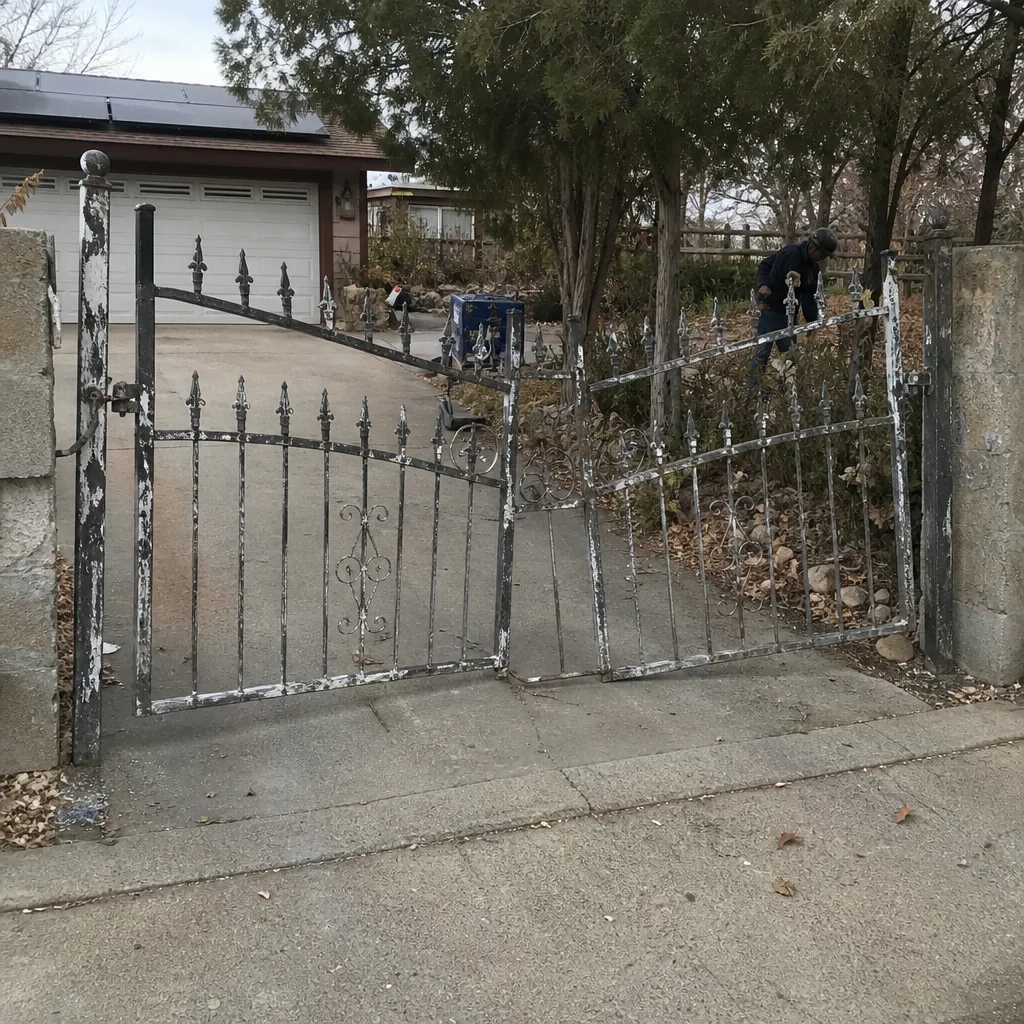 Before
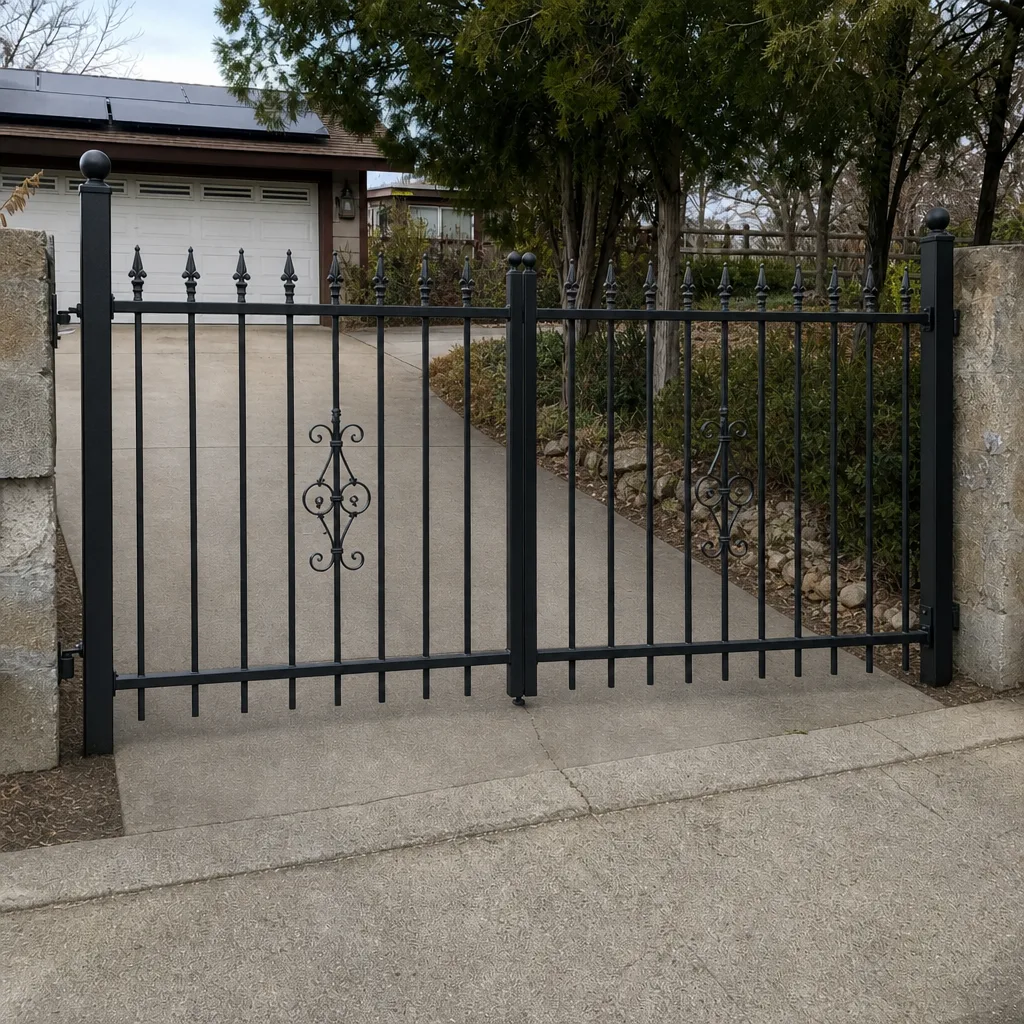 After
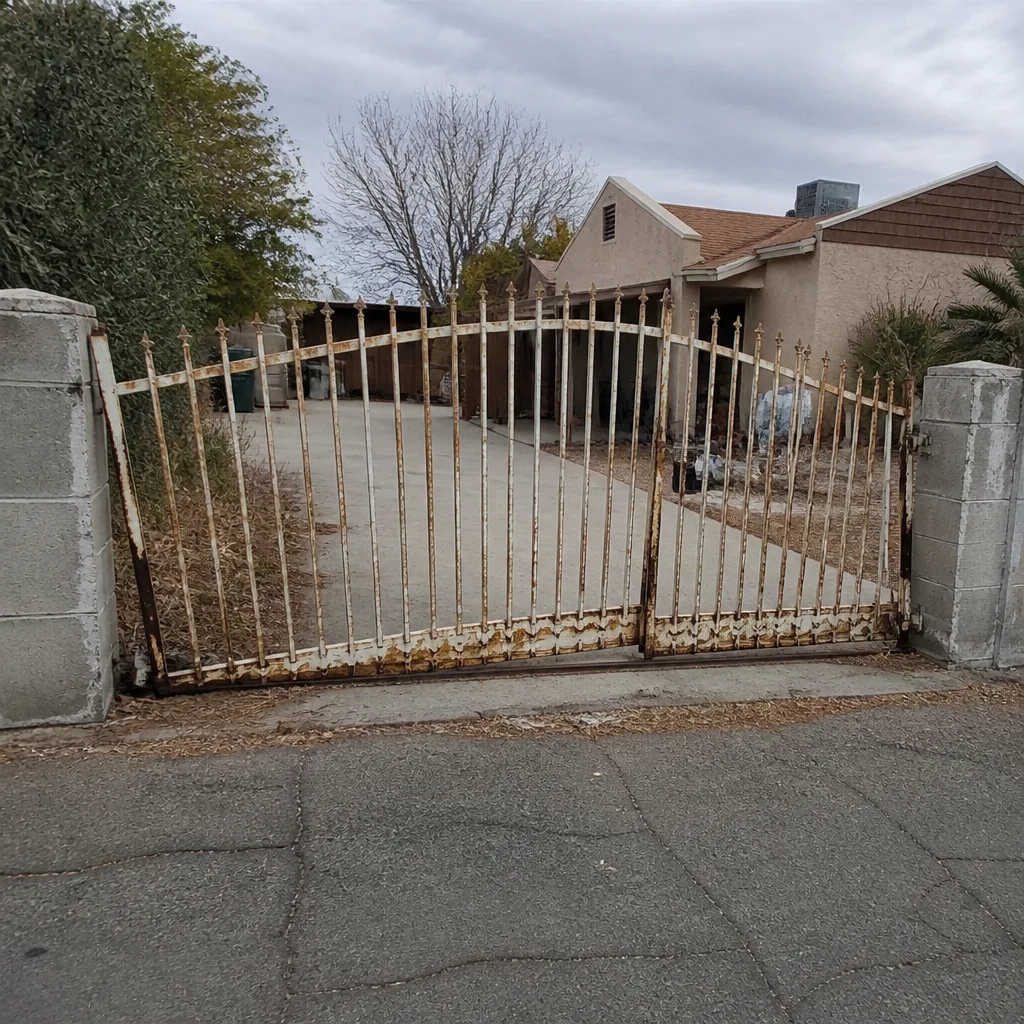 Before
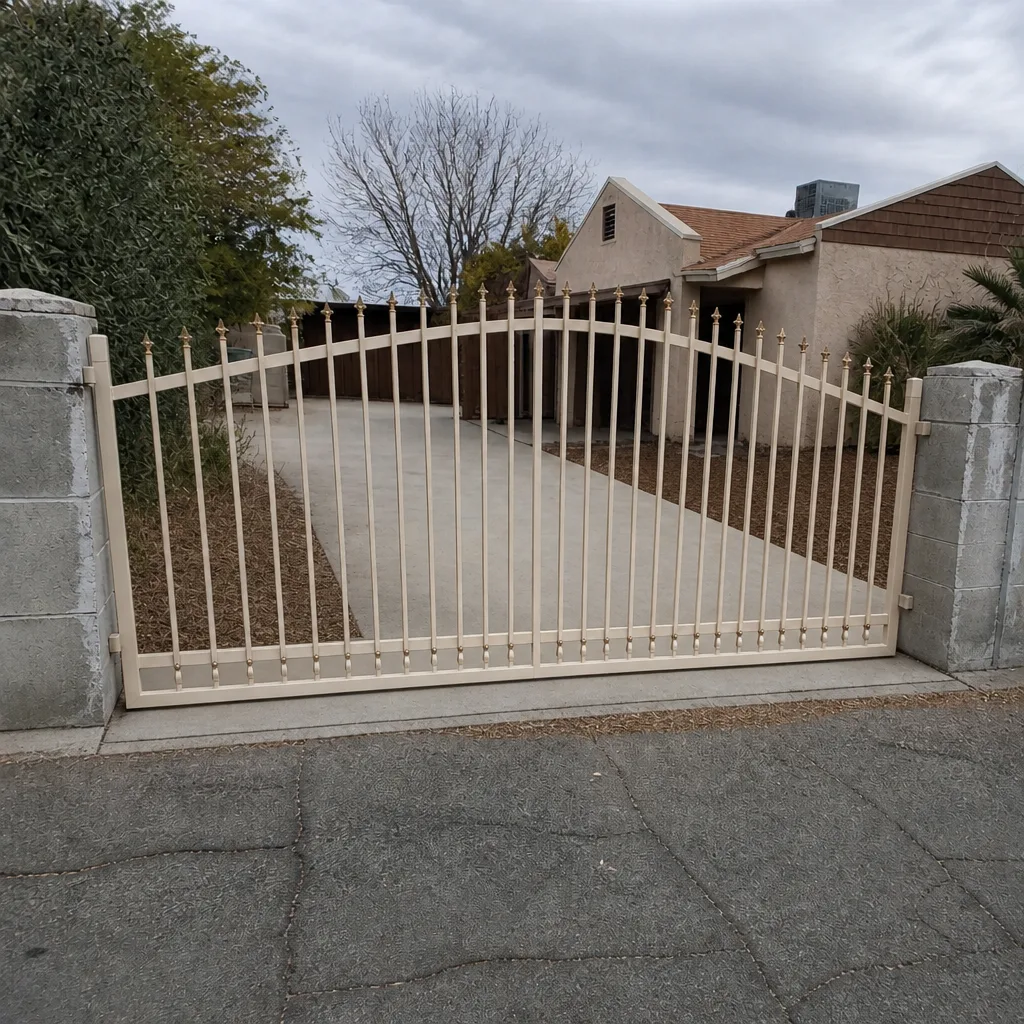 After
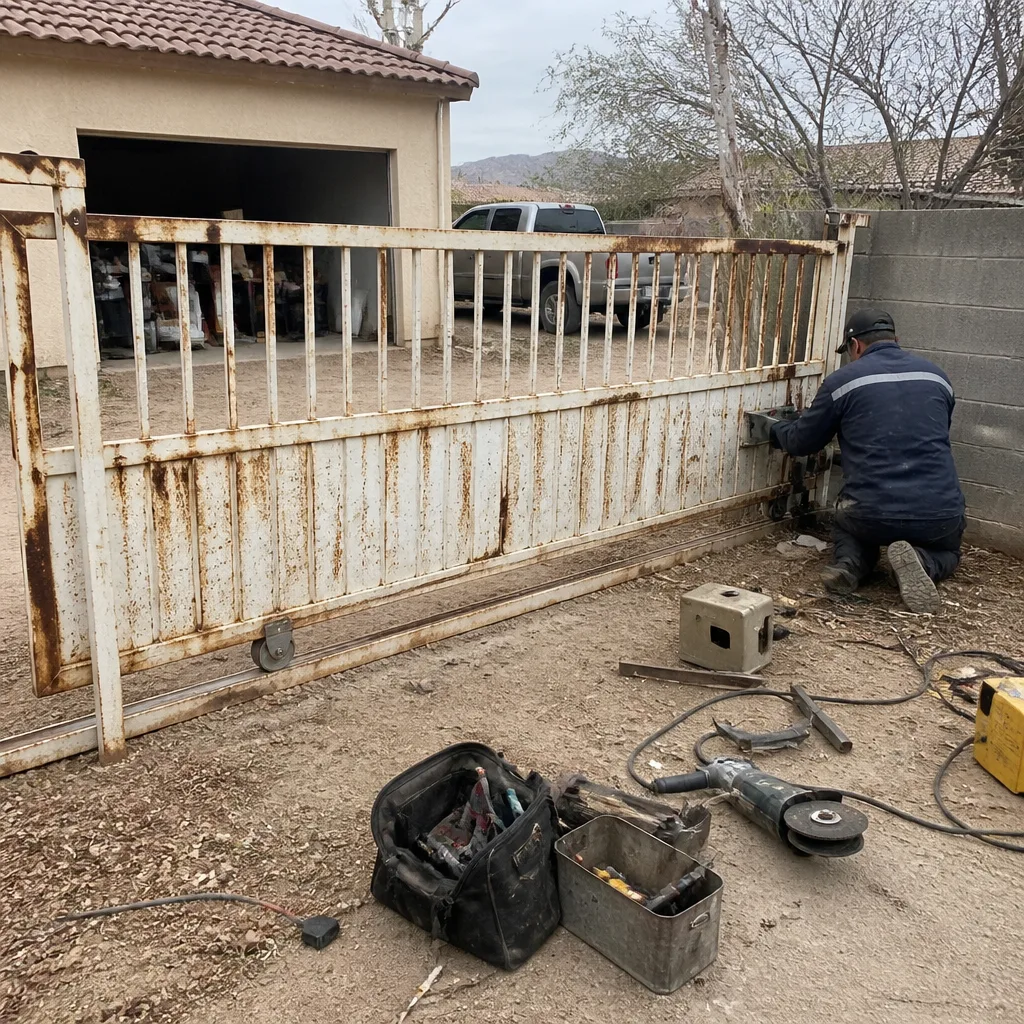 Before
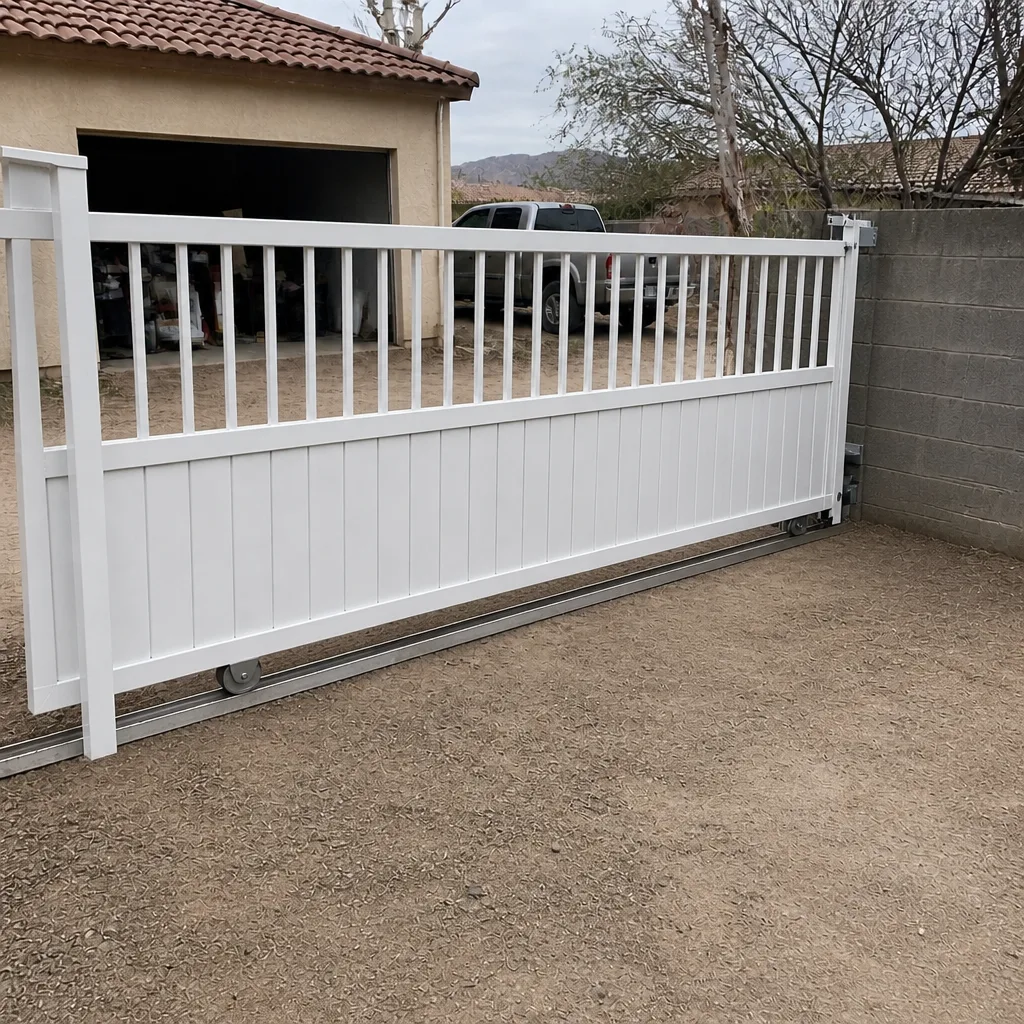 After
Frequently Asked Questions
Twice a year: once in April before the heat and once in October before the cold, with a spot clean after any major dust storm. That schedule matches the Mojave season cycle, not a generic national norm.
Almost always heat or sun on the safety sensor lens. Afternoon sun plus a dusty lens trips the safety reverse. Clean the lens with a manufacturer-approved cleaner, and if the symptom persists, call us – estimates are free.
The general process is similar across brands, but the specific menu sequence differs, and guessing on a Linear, Viking, or Ghost Controls unit can drive the gate into its hard stop. On anything but minor adjustments, get a trained technician to set both the cold and warm positions.
Weld seams, pivot points, and safety sensor lenses. The dust holds moisture against the metal and starts corrosion at seams and pins, and it coats lenses until they read as a sensor fault.
Winter causes more limit and tolerance problems; summer causes more control board and battery failures. Both matter, which is why the calendar calls for two seasonal visits rather than one annual service.
Yes. Battery testing, enclosure gasket replacement, and control board diagnosis on nine leading gate-automation brands are part of our seasonal tune-up. Call (888) 276-7609 for a free estimate – a technician can check both in one visit.
The Bottom Line
Boulder City gate care follows the Mojave weather, not the national calendar. The risky season for motors and limits is winter contraction, the highest-value inspection window is April, and alkaline dust needs correct cleaning after every storm rather than a hose. Two seasonal visits a year, a lens check after dust, a pre-summer vent and battery clear, and a control enclosure gasket check cover the whole year. Done right, a gate keeps closing like the day it was hung. Done wrong, the failures show up in July, when nobody wants them.
Written by the team at Ironworks Gate Co. Boulder City.
Contact us today at (888) 276-7609 for a free estimate – a live person answers, and the price is settled before a single bolt is turned.