
Last updated November 17, 2026
 Wrought iron
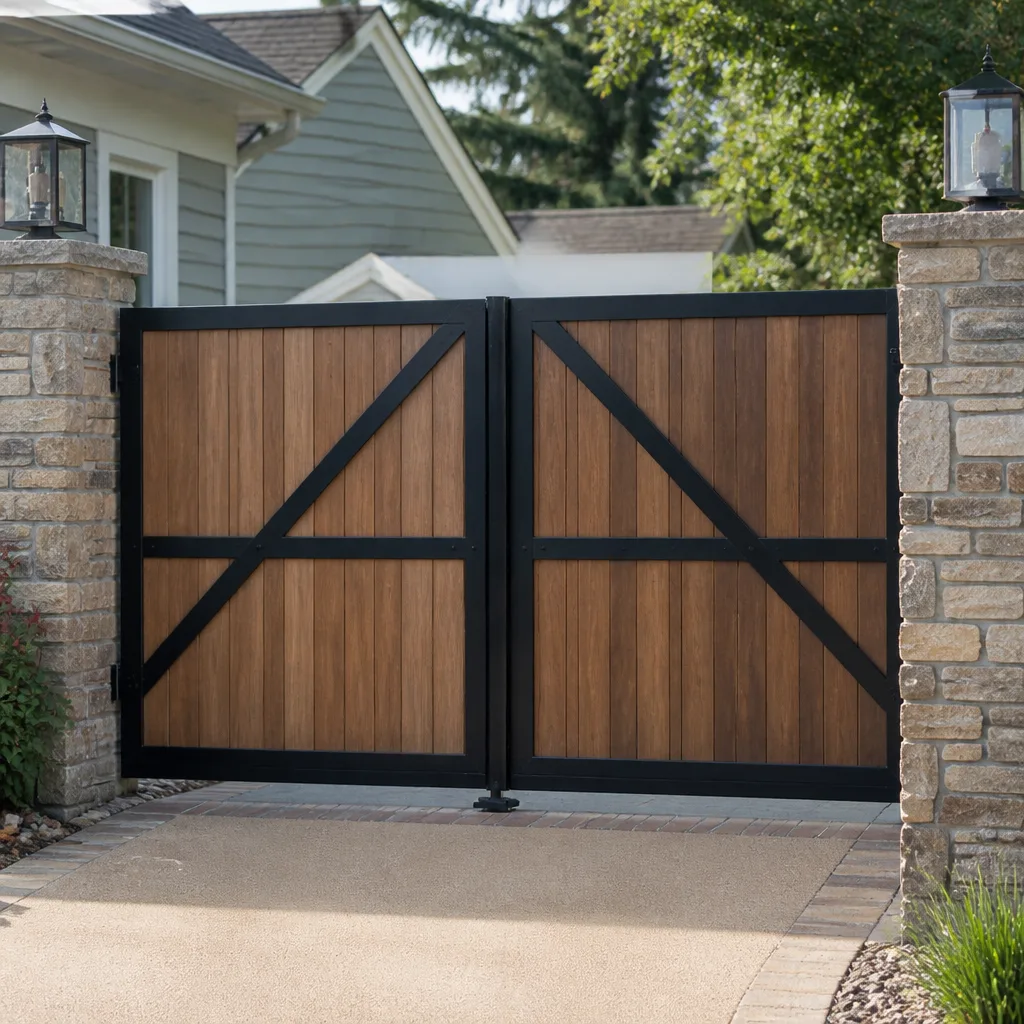 Wood & steel frame
 Farm & ranch
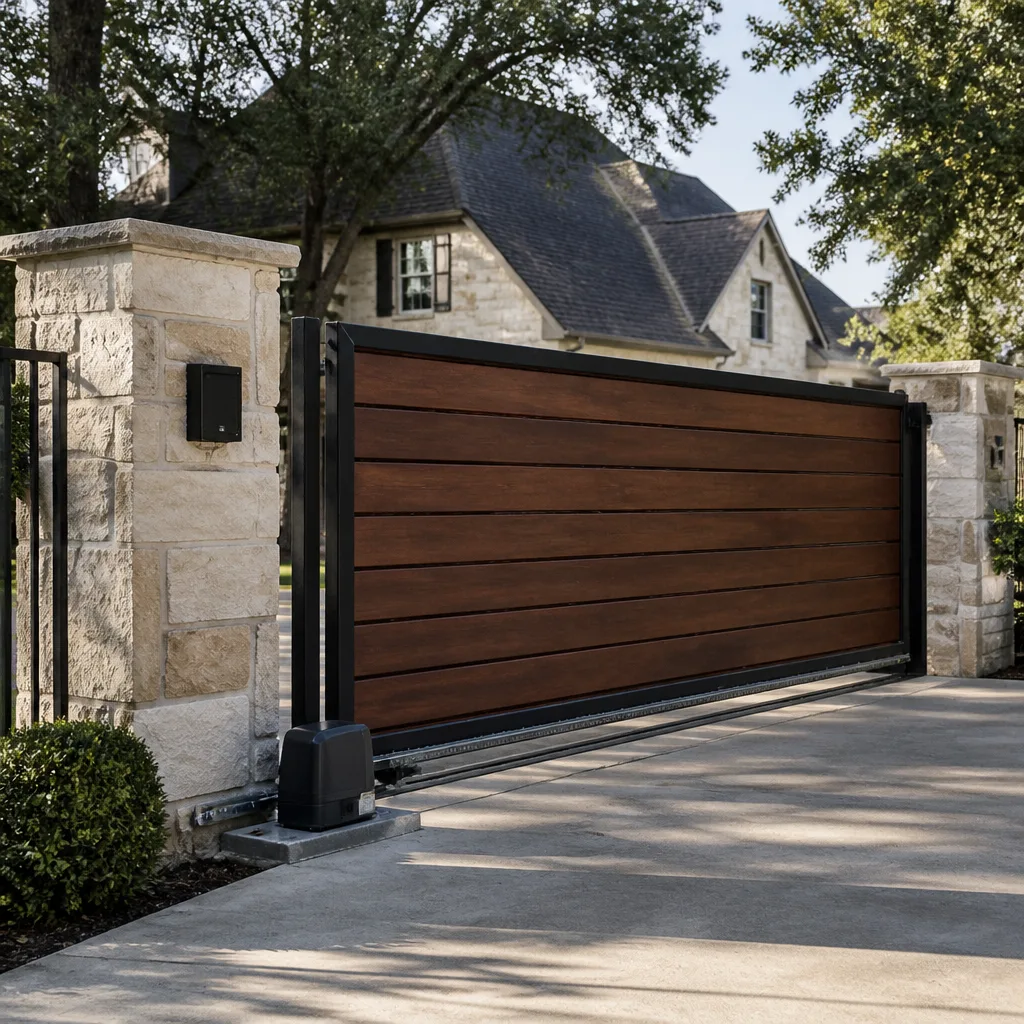 Sliding driveway gates
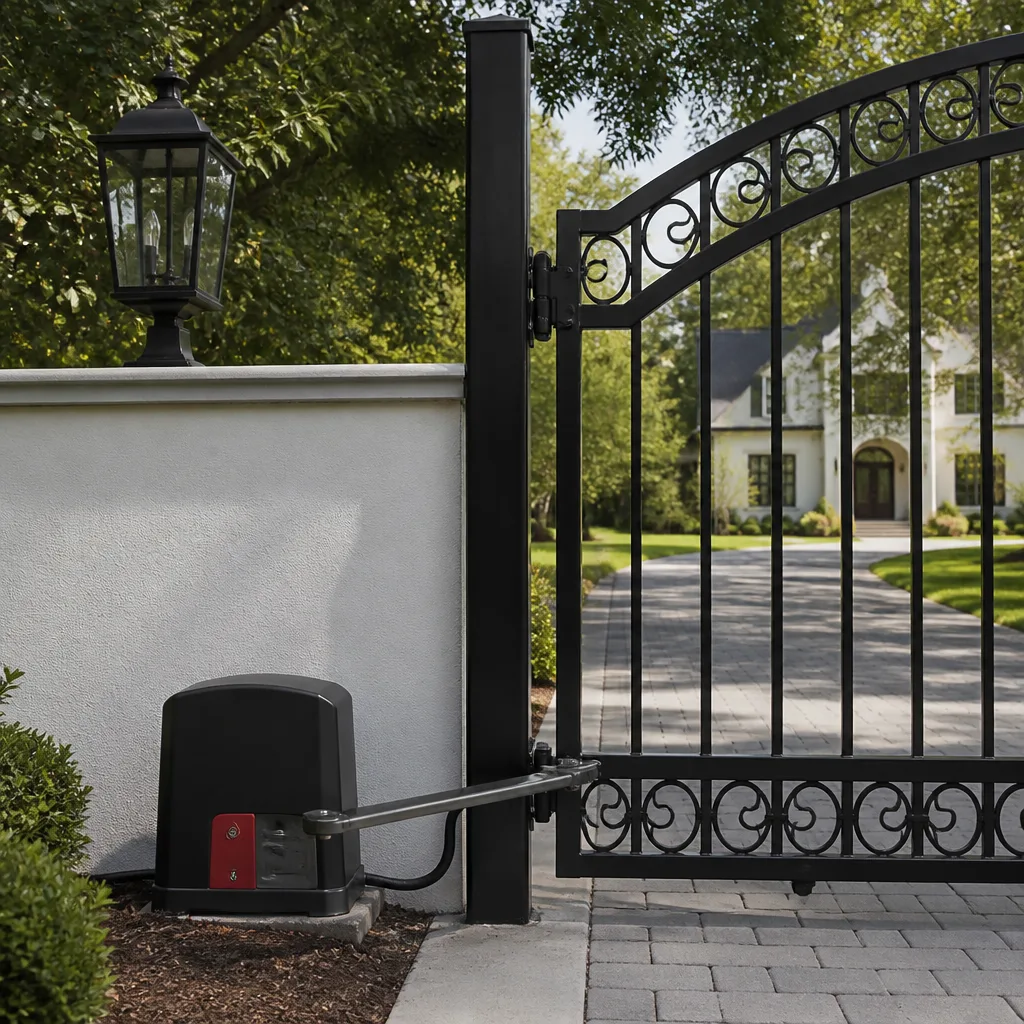 LiftMaster operators
Free on-site gate assessment - hinges, posts, and your LiftMaster or Nice gate operator checked before anything is quoted
The assessment is free and the quote is the invoice.
Get your free estimateGate Motor & Opener Warning Signs Every Homeowner Should Know
The most reliable sign that a gate opener is six weeks from failure usually isn’t a strange noise. It’s a gate that takes a half-second longer to start moving than it did last month. The change is so gradual that most homeowners never register it consciously, then one morning the gate just sits there. We’ve walked hundreds of driveways around Boulder City and the story is almost always the same: the warning was there for weeks, quietly, in plain sight. This guide teaches you to read those signals like a diagnostic language, so a $200 service call becomes a $0 preventive fix you made yourself.
Quick Answer
The five core warning signs of a failing gate opener are hesitation on start, mid-cycle reversal, failure to reach full open or close, shrinking remote range, and unusual motor sound. Each points to a specific mechanical cause, from a weak capacitor to a binding hinge. Separately, any gate that moves without being triggered, fails to stop on contact, or reverses unpredictably is a safety emergency that calls for immediate shutdown, not monitoring.
Styles & brands we work with
- Wrought iron
- Wood & steel frame
- Farm & ranch
- Sliding driveway gates
- LiftMaster operators
Table of Contents
- Sign 1: Hesitation on Start
- Sign 2: Reversing Mid-Cycle
- Sign 3: Failing to Reach Full Open or Close
- Sign 4: Shrinking Remote Range
- Sign 5: Unusual Motor Sound
- Motor Heat and the Capacitor Clue
- Solar-Powered Openers: The Late-Afternoon Test
- Safety-Critical Signs: Stop and Call
- The 90-Second Monthly Habit
Sign 1: Hesitation on Start
A gate that pauses before it moves is telling you something is fighting the motor. When you press the remote and the gate holds still for a beat before lurching into motion, the opener is drawing more current to overcome resistance that wasn’t there before. That resistance usually comes from one of a few places: a hinge that’s dry or slightly bent, a track that’s picked up grit, or a gearbox beginning to wear. In our experience, hesitation is the earliest signal on the list and the easiest to fix when caught early. A binding hinge adjusted before it seizes can save the motor entirely.
Out here the wind does more damage than rain. Desert grit works into hinge pins and roller tracks through the spring, and a gate that sits broadside to an afternoon gust loads the operator harder on one side than the other. If your driveway gate faces the prevailing wind, hesitation tends to show up first on the windy side of the swing.
Here’s how to test it safely. Don’t put your hands anywhere near the gate’s path. Instead:
- Time the delay. From remote press to first movement, count the seconds. A new hesitation is one second or more. Write it down with the date.
- Listen right after the operator engages. A healthy motor hums and climbs steadily. A struggling one whines, then catches.
- Repeat the test three times in a row. If the delay grows with each cycle, the resistance is real and getting worse.
Any delay that grows cycle to cycle is worth a service call before it strands you. For a proper diagnosis of the hinge and operator together, see our Gate Repair in Winchester page for how we trace hesitation back to its source.
Sign 2: Reversing Mid-Cycle
A gate that opens partway and then reverses is either meeting an obstruction or misreading its own travel limits. Modern operators are built to retreat when they feel resistance, a safety feature. But when a gate reverses with nothing in its path, the sensor or limit switch is lying to the control board. Common culprits include a photo-eye knocked out of alignment, debris on the safety edge, or a limit switch that’s drifted from months of vibration.
In Boulder City the sun itself can trip a photo-eye. Low morning light hits a misaligned reflector and the beam scatters, so the opener thinks something is in the path and reverses. We’ve seen the same driveway behave perfectly at noon and fail every morning at 7 a.m. That’s not a random fault; it’s a light-angle problem, and it’s fixable.
What to check without touching the moving gate:
- Look at the photo-eye lenses on both sides of the driveway. Are they pointed at each other, clean, and free of spiderwebs?
- Note the time of day the reversal happens. A pattern tied to sunlight points to the photo-eye.
- Look for a small branch, rock, or trash can that drifted into the beam’s line.
If realignment doesn’t stop it, the limit switch or control board needs a trained eye. That’s the point to call, not the point to keep cycling the gate.
Sign 3: Failing to Reach Full Open or Close
A gate that stops 90 percent of the way open or leaves a two-inch gap at close has drifted its travel limits, or the operator is losing strength. Travel limits are the physical settings that tell the motor where “fully open” and “fully closed” live. Vibration, temperature swings, and a worn chain all nudge those settings over time. When the gate stops short, the control board thinks it’s already at the end of its travel.
A closed gap is the more serious of the two, because it invites a security question. If your gate no longer meets its latch post, a determined push can sometimes defeat it. That said, a gate that won’t fully open is the one we get called about most, usually because the homeowner’s car is now trapped.
The distinction matters:
- Stops short on opening only usually points to a limit setting or an obstruction on one side.
- Stops short on both directions often means the motor or capacitor is losing power.
- Stops at a different point each cycle suggests a slipping chain or a loose gearbox coupling.
Re-teaching travel limits is straightforward on most brands, but doing it wrong misaligns the safety reverse. On a DoorKing or a LiftMaster, the procedure differs, which is why we train on nine automation brands. Getting the correct fix on the first visit matters more than saving an hour on the wrong one.
Sign 4: Shrinking Remote Range
If you used to open the gate from the end of the street and now you have to be practically at the driveway, something changed. The reflex is to blame the remote battery, and sometimes that’s right. A fresh battery that doesn’t restore range tells you the problem is on the receiver side: a tired receiver board, an antenna that’s corroded or been bent, or interference from a new device nearby.
Range reduction is one of those signals homeowners shrug off for months because it still works, just less well. Treat it as an early warning. A weak receiver that’s about to fail often shows itself first as a short range, then as intermittent no-response, then as nothing at all. Catching it at the range stage means a small repair rather than a dead operator in the middle of a dinner party.
A few things to rule out first:
- Swap in a fresh battery. If range returns, you solved it for the price of a battery.
- Test a second remote or a keypad code. If they all lost range at once, the receiver is the common thread.
- Look at the antenna wire at the operator. Is it intact, pointing up, and free of corrosion?
If a new battery and a clean antenna don’t bring the range back, a professional receiver check is the next step. Our Gate Motor & Opener in Winchester service covers receiver diagnosis across brands.
Sign 5: Unusual Motor Sound
Sound is the most honest diagnostic signal a gate gives you. A healthy operator has a steady, low hum. Anything else is worth noting. A grinding sound points to worn gears or a dry chain. A clicking that repeats suggests a failing relay or a stripped gear tooth catching on each rotation. A high-pitched squeal often means a bearing or bushing is running dry. And a motor that sounds labored, that ramps up and down instead of holding a steady note, is drawing uneven current.
Desert heat and dust are hard on lubrication. Grease on a chain or hinge cooks off faster here than in cooler climates, so chain grinding shows up sooner in Boulder City than most homeowners expect. A chain that’s allowed to grind wears sprocket teeth, and a worn sprocket turns a small lubrication fix into a chain-and-sprocket job.
The sound test is simple. Stand well clear of the gate’s path and listen through one full open and one full close. Then ask: was this sound here last month? If it’s new and it’s growing, it’s telling you something. Treat an unfamiliar grinding or squeal as a call-now signal, not a call-later one, because the parts that wear fastest are the ones hardest to find later.
Motor Heat and the Capacitor Clue
Here’s a sign most homeowners never check, and it’s one of the most useful. After a normal cycle, the motor housing should be warm to the touch, not hot. If the housing is genuinely hot after a single open, and it isn’t a hundred-and-ten-degree afternoon, you’re looking at a capacitor that’s failing. The capacitor gives the motor its starting kick. When it weakens, the motor pulls more current to compensate, and that extra current shows up as heat.
This is why a hot motor is an early warning rather than just a hot day. A failing capacitor often limps along for weeks, heating the motor a little more each cycle, before it finally won’t start the gate at all. Replacing a capacitor is a modest repair. Replacing a motor cooked by months of heat is not. Catching the heat early is the difference.
How to read it safely:
- After a cycle, touch the operator housing once with the back of your hand. Warm is normal. Hot enough that you pull away is not.
- Compare a morning cycle to an afternoon cycle. If both are hot, it’s the motor, not the weather.
- Note whether the gate also hesitates on start. Heat and hesitation together point to the capacitor.
Don’t open the operator housing yourself to check the capacitor. Capacitors hold a charge and the motor is mains-powered. Heat is a homeowner observation; the capacitor test is a technician’s job, and we’re trained on nine brands including Elite and LiftMaster for exactly this repair.
Solar-Powered Openers: The Late-Afternoon Test
Solar-powered openers are popular on rural driveways around Boulder City, and they fail in a way that’s easy to misread. If your solar gate works fine in the morning and starts failing in the late afternoon, before sunset, you’re not looking at a failing opener. You’re looking at a battery that no longer holds capacity. The panel charges through the day; by late afternoon the battery is nearly spent, and the gate can’t complete a full cycle on the remaining charge.
This pattern is specific and diagnostic. A bad opener fails at random. A battery losing capacity fails predictably, in the same window each day, gradually earlier as the capacity drops. In our experience, the fix is usually the battery or a panel that’s shaded or dirty, not the operator itself. Owners who replace the whole opener when the battery was the problem spend far more than they needed to.
What to watch for on a solar system:
- Track the time of day your gate first fails. Earlier failure each week is a battery losing capacity.
- Inspect the panel for dust, bird droppings, or a new shadow from a growing tree.
- Check the battery connections for corrosion. Desert temperature swings are unkind to terminals.
Solar diagnosis is its own skill set. If the pattern points to capacity, a battery and panel check is a quick service call and a square deal. We handle this across brands including Mighty Mule.
Safety-Critical Signs: Stop and Call
Some warning signs aren’t for monitoring. They’re for immediate shutdown. If your gate moves without being triggered, if it fails to stop when it contacts an object, or if it reverses unpredictably, stop using it and call. A residential gate can weigh several hundred pounds and close with enough force to injure a person or a pet. These are not faults to watch and wait on.
The three that demand an immediate shutdown:
- Movement without a trigger. A gate that opens or closes on its own means the control board, a stuck relay, or a ghost signal is calling the shots. Cut power at the breaker and don’t cycle it again.
- Failure to stop on contact. The safety reverse and safety edges exist to prevent injury. A gate that pushes through an object has a dead safety circuit. This is a hard stop.
- Unpredictable reversal. If the gate reverses for no reason and at random times, the safety circuit is misreading. Don’t let pets or grandchildren near it.
Anything that touches the safety reverse, the photo-eyes, or the safety edges is a professional repair. We won’t give a homeowner a walkthrough on defeating those systems, because they’re the exact parts that keep someone from being hurt. Getting the safety circuit right is the one repair where a trained hand isn’t optional.
The 90-Second Monthly Habit
The good news in all of this is that most early-stage failures announce themselves, and a simple habit catches them. Once a month, give each gate 90 seconds of your full attention. Not a project, not a tool kit. Just watch and listen the way you’d listen for a change in a car’s engine. We’ve seen this habit catch the majority of failures before they become emergency calls.
Run this sequence on the first weekend of every month:
- Time the start. Count the delay from press to movement. Note it. A growing delay is your first flag.
- Listen through one full cycle. Open and close once, standing clear. Any new grinding, clicking, or squeal gets written down.
- Feel the housing. Warm is fine. Hot on a cool day points to the capacitor.
- Test from far away. Try the remote from your usual distance. If range has shrunk, the receiver or battery is talking to you.
- Check the ends. Does the gate reach full open and full close, with the latch meeting the post?
- Look at the photo-eyes. Both lenses clean, aligned, and clear of cobwebs.
Total time, 90 seconds per gate. What it buys you is the difference between a scheduled repair and a stranded car. This is the simplest preventive maintenance a gate owner can do, and it costs nothing. For the deeper maintenance that keeps a gate closing like the day it was hung, our Gate Installation in Winchester team can set up a service rhythm that fits your driveway.
Common Mistakes to Avoid
- Blaming the remote for every glitch. A fresh battery is the first check, but if the range stays short, the receiver is the real story, and months of new batteries won’t fix it.
- Ignoring a hot motor as “just the desert.” Warm is weather. Hot on a cool morning is a failing capacitor, and it’s cheaper to catch now.
- Forcing a gate that won’t fully close. Pushing it by hand can bend a hinge or strip a gear, turning a limit adjustment into a motor repair.
- Replacing the whole solar opener when the battery is tired. Late-afternoon failure is a capacity signal. Check the battery and panel first.
- Cycling a gate that moves on its own. Each cycle on a control-board fault or a dead safety edge adds wear and risk. Cut power and call.
- Turning up the sensitivity on a reversing gate. It silences the symptom and leaves the safety circuit compromised. Not a fix we’ll ever recommend.
- Waiting for the “weird noise” to get loud. Hesitation and range loss show up weeks before a noise does. Read the early signs, not the late one.
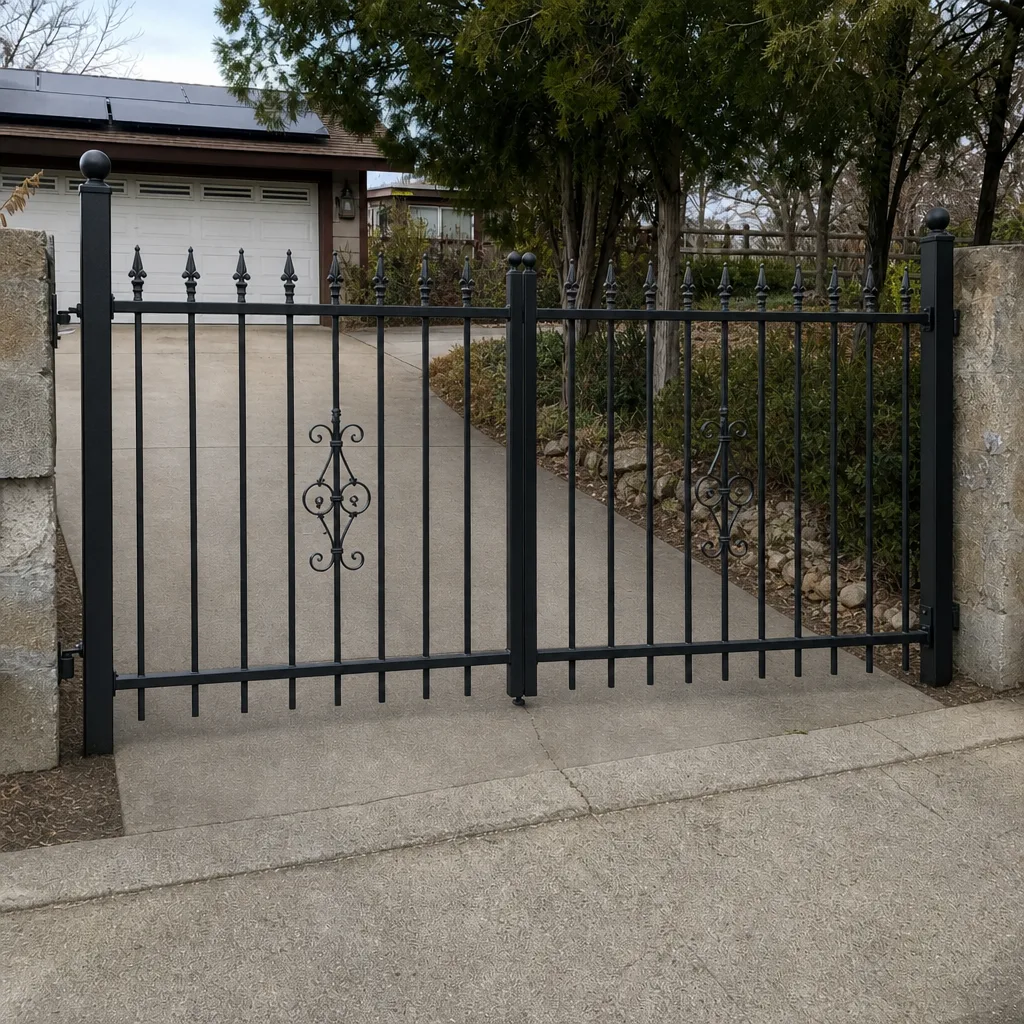
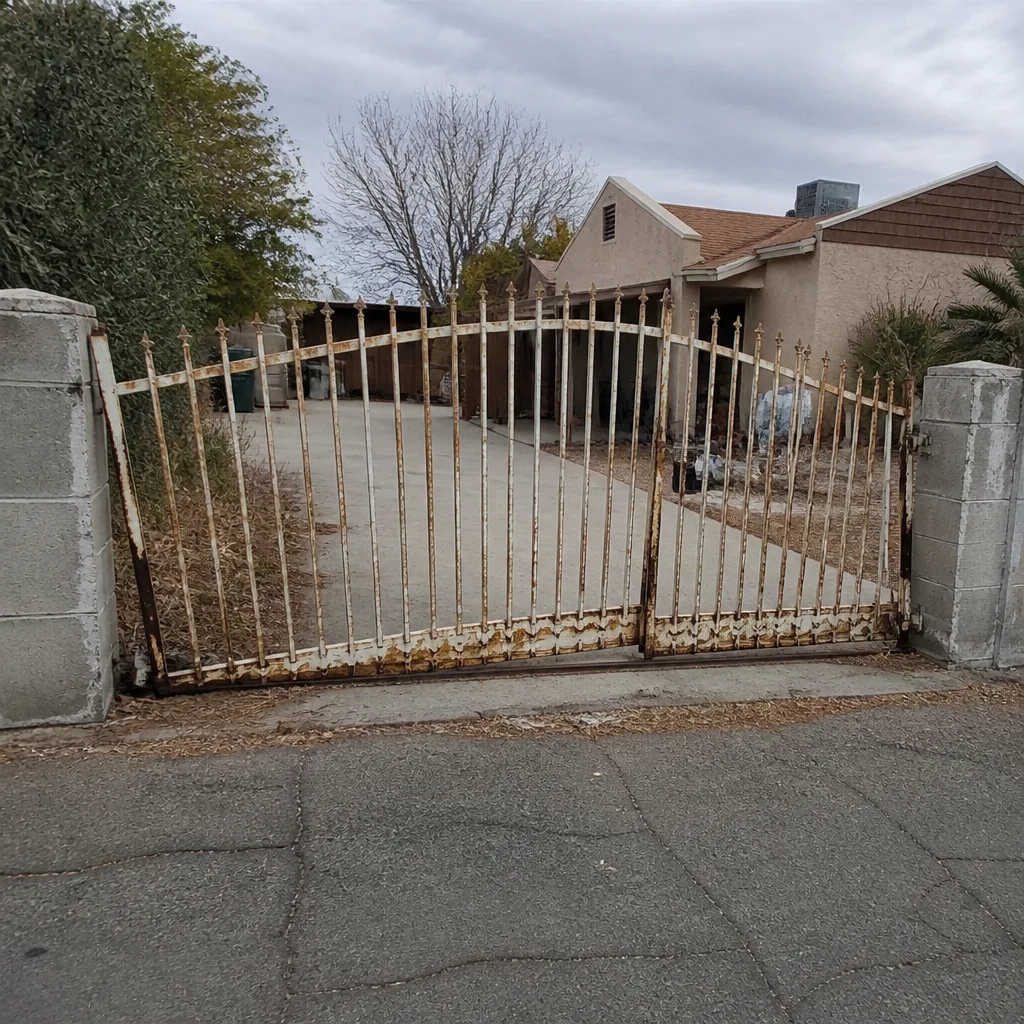
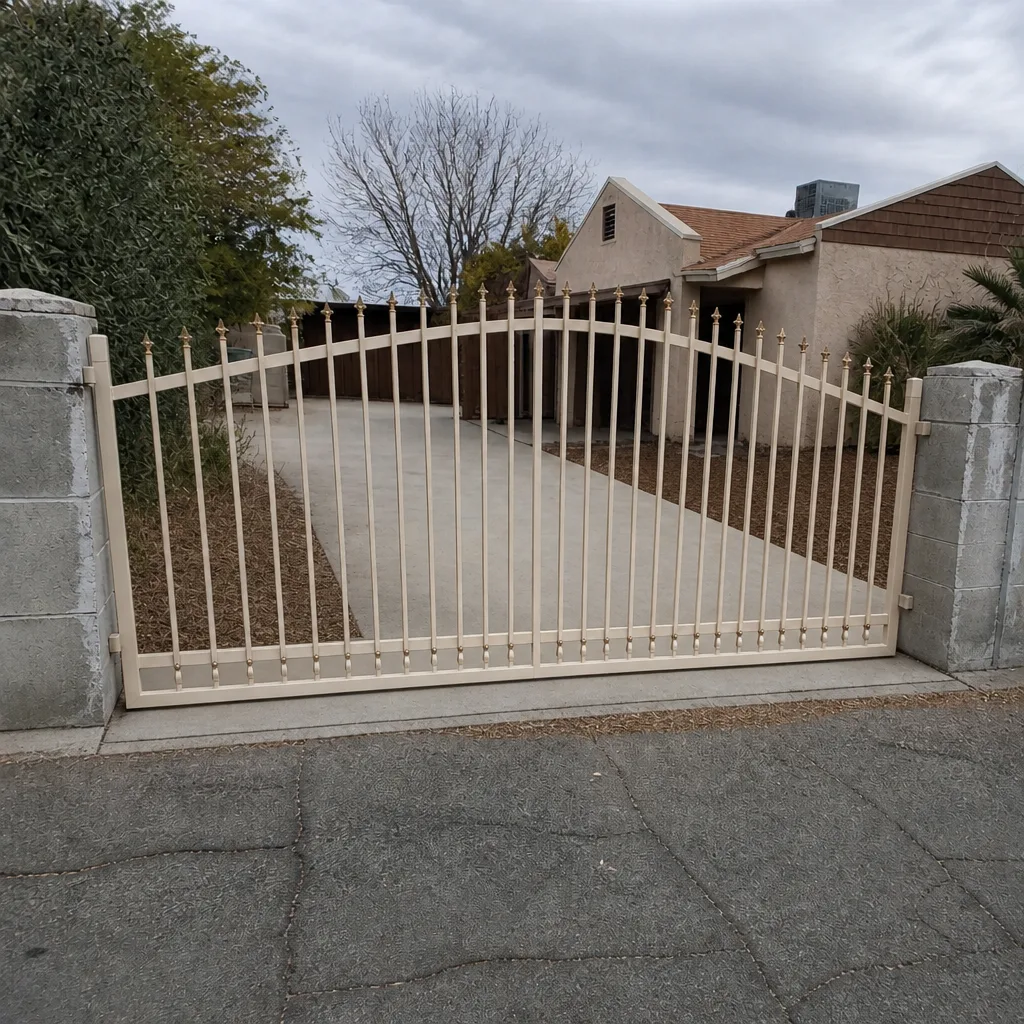
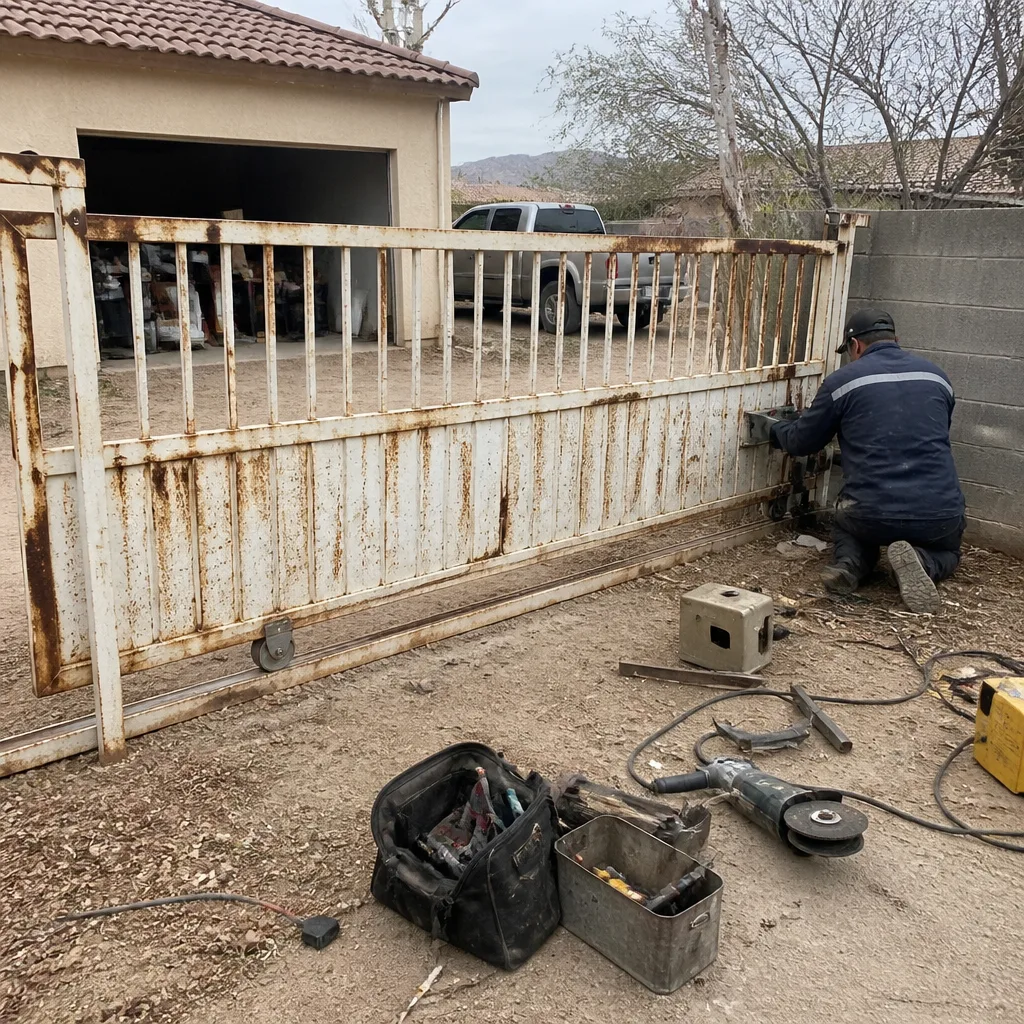
See the difference
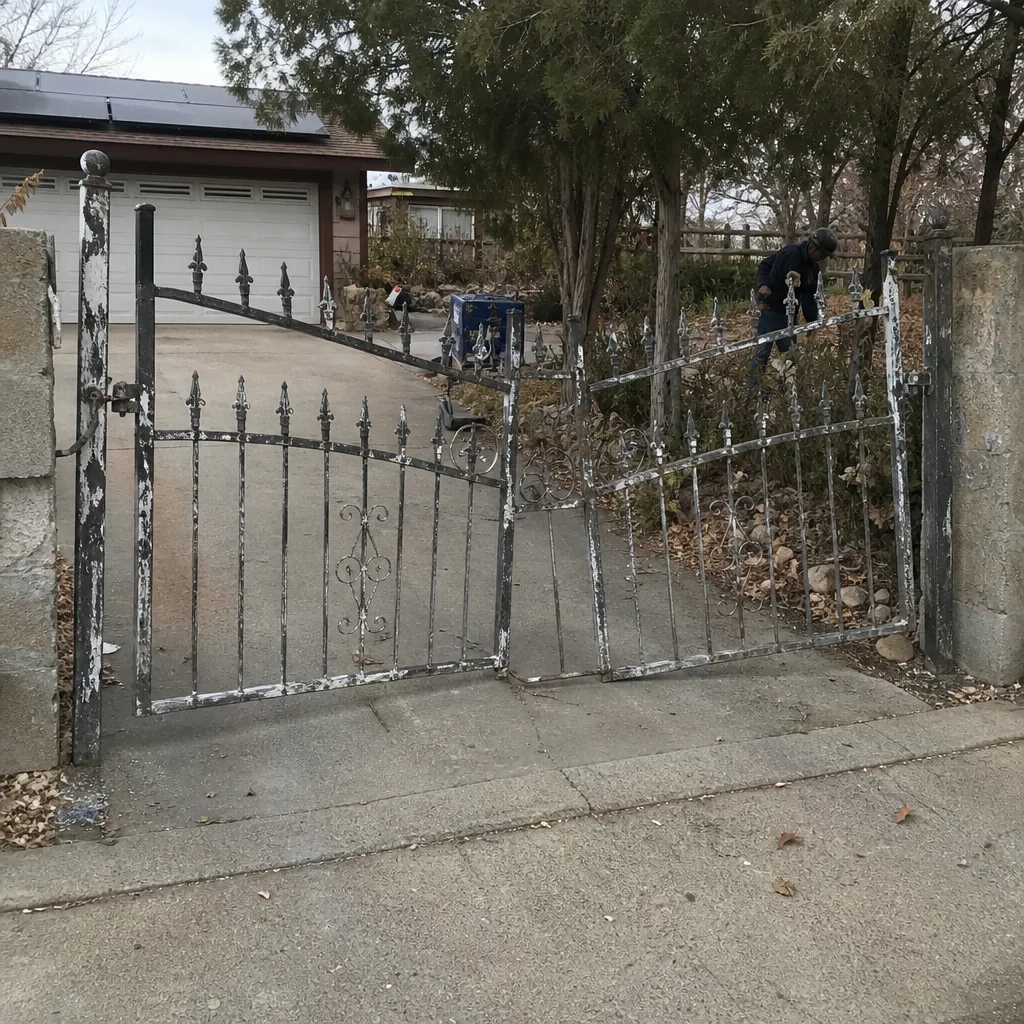 Before
 After
 Before
 After
 Before
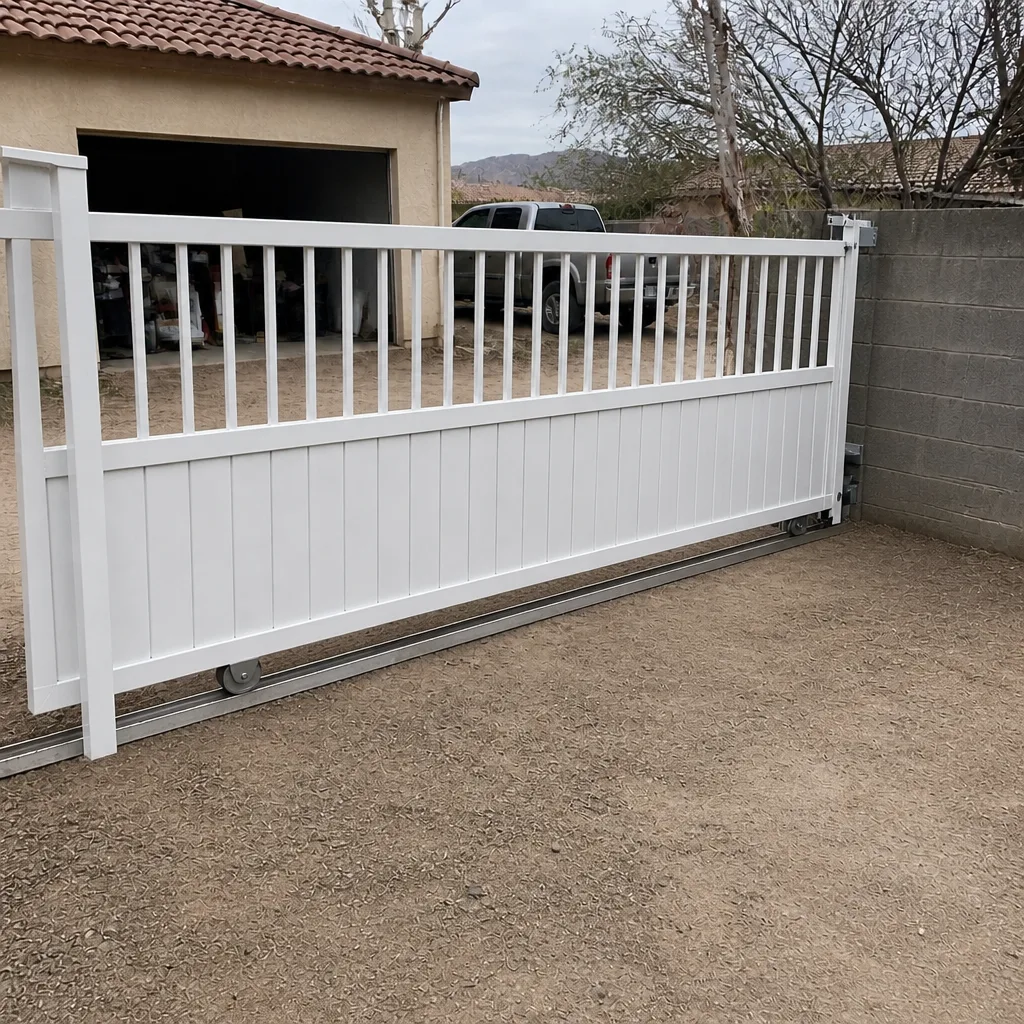 After
When to Call a Professional
Call us when the sign crosses from “noticed” to “changing.” A hesitation that’s grown over a month, a motor that’s hot after one cycle, a solar gate that fails earlier each week, a gate that reverses with nothing in its path, or a remote range that never comes back after a fresh battery. And call immediately, before cycling it again, if the gate moves without a trigger, won’t stop on contact, or reverses unpredictably. Those are safety failures, not maintenance items. Ironworks Gate Co. Boulder City offers free estimates in Boulder City. Call (888) 276-7609 and a live person will answer, day or night. We work on nine automation brands, so the correct fix happens on the first visit. Our technicians bring up to 13 years of experience to every job, and every repair is backed in writing by our 90-Day Done Right Promise.
Frequently Asked Questions
The earliest sign is usually hesitation on start, a gate that pauses a half-second longer than it used to before moving. Next comes shrinking remote range and a growing unusual motor noise. These appear weeks or months before the opener quits entirely. If you notice any of them, call (888) 276-7609 for a free estimate before it strands you.
A motor that’s hot rather than warm after a single cycle usually has a failing capacitor. The capacitor gives the motor its starting current; when it weakens, the motor pulls more current and runs hotter. Compare a cool-morning cycle to an afternoon one. If it’s hot both times, that’s the motor, not the weather. Call (888) 276-7609 and we’ll test it and quote the repair upfront.
A solar gate that works in the morning and fails before sunset is showing a battery capacity problem, not an opener problem. The panel charges through the day, but a battery that’s lost capacity can’t complete a cycle by late afternoon. The fix is usually the battery or a shaded panel. Call (888) 276-7609 for a free estimate on the capacity check.
If the gate reverses randomly with nothing in its path, treat it as a safety issue and stop using it until it’s checked. The usual cause is a misaligned photo-eye or a drifting limit switch, which leaves the safety reverse unreliable. Don’t let pets or children near it. Call (888) 276-7609 and a live person will answer, even on a weekend.
Three signs are emergencies: the gate moves without being triggered, it fails to stop on contact, or it reverses unpredictably. Cut power at the breaker and don’t cycle it again. These mean the control board or safety circuit has failed, and a moving gate that heavy can injure someone. Call (888) 276-7609 right away.
In most cases, yes. Many repairs are a capacitor, a receiver, a limit switch, or a battery, not the whole operator. We work on nine automation brands, including DoorKing, Elite, and Mighty Mule, so we identify the actual failed part on the first visit rather than selling you a full replacement. Call (888) 276-7609 for a free estimate, and we’ll quote the price before any work starts.
The Bottom Line
Gate openers don’t fail without warning. They telegraph it for weeks through hesitation, shrinking range, new sounds, and a motor that runs hot from a weakening capacitor. Solar gates show it as a late-afternoon failure that points to the battery, not the opener. Learn the five behavioral signs, watch for motor heat, and run the 90-second monthly habit, and you’ll catch most failures before they become emergency calls. And when you see a gate move on its own, push through an object, or reverse at random, stop and call. That’s not maintenance. That’s safety. Read the early signals, and a small preventive fix saves you a stranded car and a bigger bill.
For a free estimate in Boulder City on any of these signs, call Ironworks Gate Co. Boulder City at (888) 276-7609. A live person answers every call. We’ll come out, diagnose the real cause, and settle the price with you before a single bolt is turned. Done right, and backed in writing.
Explore more from our Ironworks Gate Co. Boulder City home page.
Written by the team at Ironworks Gate Co. Boulder City.