
Last updated November 17, 2026
 Wrought iron
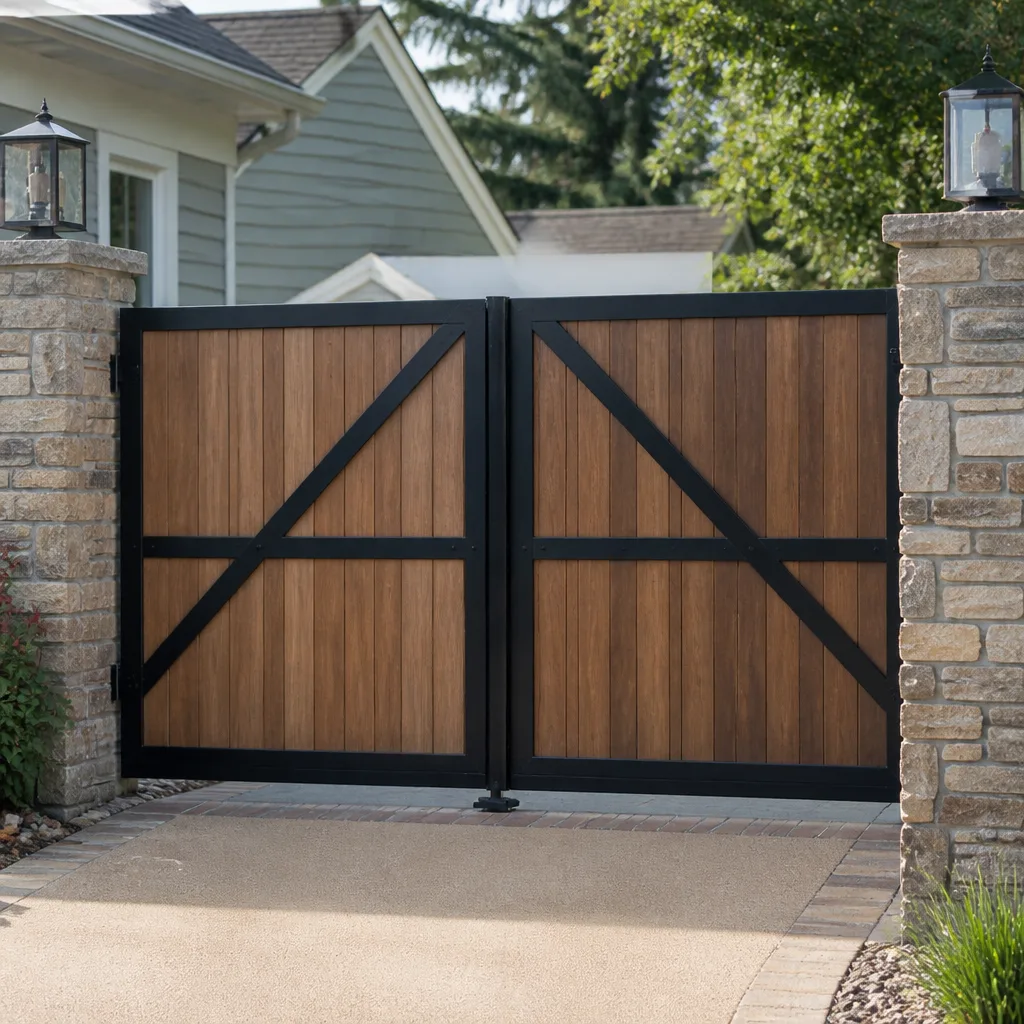 Wood & steel frame
 Farm & ranch
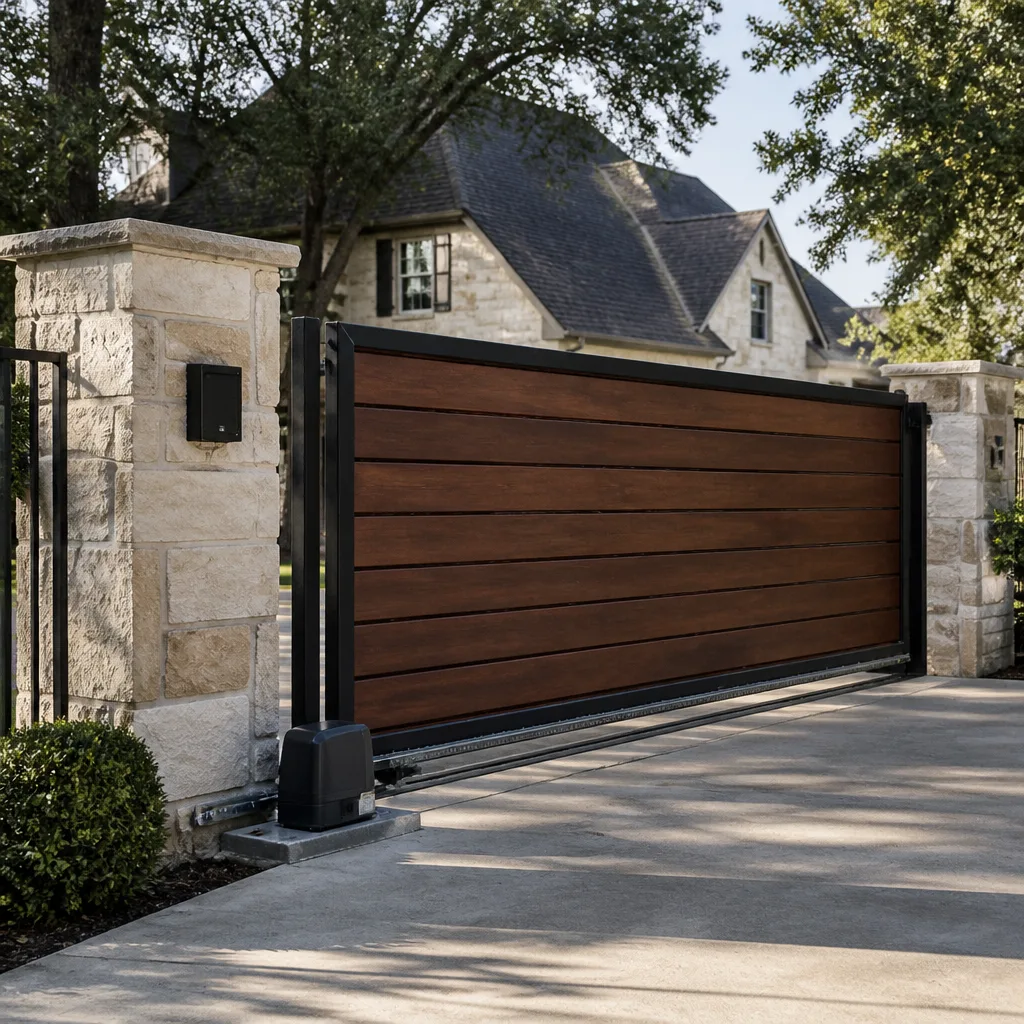 Sliding driveway gates
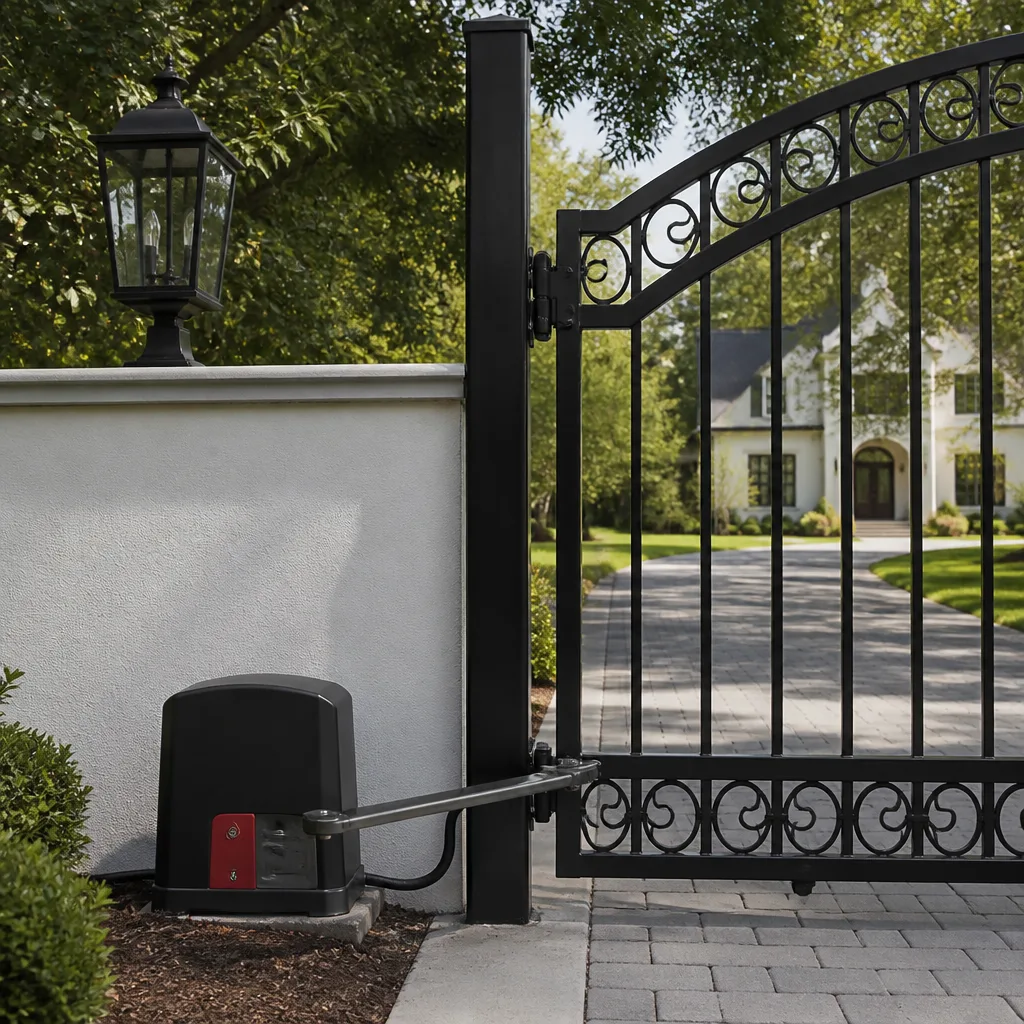 LiftMaster operators
Free on-site gate assessment - hinges, posts, and your LiftMaster or Nice gate operator checked before anything is quoted
The assessment is free and the quote is the invoice.
Get your free estimateGate Repair Maintenance Schedule: What to Do and When
The number-one reason gate automation systems fail early in the Las Vegas metro area is not wear. It is missed summer prep. One 20-minute task done in late April consistently prevents the most common July and August breakdowns, and almost no maintenance guide mentions it: clearing and re-sealing the dust path around the photo-eye lenses and safety edges before the dry season locks in. Most schedules you’ll find online were written by someone picturing a temperate four-season climate. Boulder City does not have one. It has a hot, dry spring, a brutal summer, a short violent monsoon, and a mild winter that fools people into skipping fall checkups. This guide builds the schedule around conditions, not just months, so your gate keeps closing when the desert turns up the heat.
Quick Answer
Run a quick monthly check (lubrication, safety sensor wipe-down, visual inspection) and layer three condition-triggered seasonal service visits on top of it: pre-summer prep in late April, post-monsoon cleanup in September, and a pre-winter tightening in November. In Boulder City’s heat and caliche dust, that layered schedule matters far more than any generic calendar, because the desert stresses a gate differently than a mild climate ever will.
Styles & brands we work with
- Wrought iron
- Wood & steel frame
- Farm & ranch
- Sliding driveway gates
- LiftMaster operators
Table of Contents
- Why a Standard Calendar Fails in Boulder City
- The Monthly Routine: Fifteen Minutes That Save a Service Call
- The Pre-Summer Prep: The 20 Minutes Almost Everyone Skips
- Lubrication in High Heat and Low Humidity
- Cleaning Photo-Eyes and Safety Edges in Caliche Dust
- Battery Backup Maintenance in a Desert Climate
- Post-Monsoon and Pre-Winter: Two Short Seasonal Passes
- The Printable Maintenance Log Worth Keeping
Why a Standard Calendar Fails in Boulder City
Boulder City is a small town that sits in one of the harshest micro-climates in the country. Summer afternoon highs running well past triple digits, single-digit humidity, and wind that carries fine caliche dust into every moving part make for a very different stress profile than the mild-climate schedules most gate guides assume. A gate motor that might last years of gentle use somewhere else faces a shorter, harder life here. That does not mean the motor is weak. It means the conditions demand attention on a rhythm that matches them.
Two things happen to a desert gate repeatedly. First, heat accelerates everything. Motor windings run hotter, control-board capacitors degrade faster, and batteries age at a pace that surprises anyone used to cooler climates. Second, dust settles into pivots, hinge barrels, roller tracks, and the sensor lenses that tell the operator the gate is safe to close. The dust is not just dirt. Caliche is the calcium-carbonate-laced soil of the Mojave, and when it coats a lens or fouls a hinge, it does real work degradation rather than just looking bad.
In our experience across Boulder City and the surrounding valley, the homes that avoid mid-summer breakdowns are almost always the ones where someone did a small amount of preparation in April. The ones that call us in a panic in July, more often than not, did nothing in the spring and never noticed the dust accumulating on the sensors until the gate started reversing on its own.
That is why this schedule layers a condition-triggered rhythm on top of any standard calendar you already follow. If you want the full scope of what we cover when we visit, our Ironworks Gate Co. Boulder City home lays out the complete gate-repair service, but the routine below is the same one we recommend to every homeowner we meet.
The Monthly Routine: Fifteen Minutes That Save a Service Call
A monthly walk-around is the cheapest insurance you’ll buy. It takes about fifteen minutes and catches most problems while they are still small. Do this on a set day each month so it doesn’t slip, and do it before the heat of the day if you can.
- Walk the full swing or slide path. Look for anything the gate will meet: settled pavers, kicked-up gravel, a wheel on a sliding gate that has dropped, a hinge that has started to sag. Note any spot where the gate drags or hesitates.
- Wipe the photo-eye lenses. With the gate powered and in manual mode, run a soft dry cloth across both lenses (the transmitting and receiving eyes). If they are clouded, a slightly damp cloth with a drop of mild dish soap helps; dry fully afterward.
- Test the safety edges and reversing function. Block the photo-eye beam with your hand while the gate is closing and confirm it reverses. If your gate has a pressure or edge sensor, apply gentle resistance and confirm the same.
- Listen to the operator. Run a full open and close cycle and listen for grinding, clicking, or groaning that wasn’t there last month. New noises are diagnostics, not annoyances.
- Check the battery indicator. If your operator has a low-battery light or diagnostic beep, note it. Heat shortens battery life, and catching a weak backup early beats losing the gate during the next monsoon.
- Look at the control box. Open or peer into the control enclosure. Look for dust build-up, water staining, insect nests, or corrosion on terminals. Anything wet or live inside means the schedule is over for this month; call a technician.
The monthly routine is not a substitute for a professional tune-up, but it is the difference between a gate that surprises you and one that doesn’t. When something in this routine points to real trouble, our Gate Repair in Winchester service page describes how we diagnose the common failure points.
The Pre-Summer Prep: The 20 Minutes Almost Everyone Skips
Here is the task that prevents most July and August breakdowns, and it is the one almost nobody does: in late April, before the dry heat locks in, clear and re-seal the dust path around the photo-eye lenses and the safety edges. Caliche dust builds up on the lens housings and the edge-sensor weatherstripping through the spring wind. As summer heat bakes the dust on, the beam cuts weaker and the edge sensor responds slower. Eventually the gate starts reversing mid-travel because it cannot see or feel that the path is clear. Homeowners assume the motor is failing. Usually it is not. It is a lens and an edge that have been quietly pushed past their threshold.
Do this in late April, and again after the monsoons (more on that below). The simple version:
- Power off the operator at the breaker or control switch. Never work on a gate near moving parts with the operator live.
- Wipe the photo-eye lenses and the edge-sensor surfaces with a dry cloth, then a lightly damp cloth to remove stuck caliche film. Let them dry fully.
- Inspect the weatherstripping on the edge sensor. Heat and dust crack it; a cracked edge is a safety problem, not a cosmetic one.
- Clean the track or the wheel path of a sliding gate, and clear any debris from the operator housing vents.
- Confirm the operator is responding to the sensors correctly before you close up for the summer.
Twenty minutes in April, done consistently, is the cheapest maintenance task you can perform. If you’d rather have it done by trained hands before the season turns, our Gate Motor & Opener in Winchester page explains how we prepare and service operators for the summer ahead, and our $89 Seasonal Tune-Up is built for exactly this.
Lubrication in High Heat and Low Humidity
The generic advice to “lubricate moving parts” is not good enough in a desert. The wrong lubricant is worse than none. In single-digit humidity, lighter oils and standard greases either flash off, gum up, or trap caliche dust and turn into an abrasive paste. That paste is what eats a hinge barrel. So the question is not whether to lubricate. It’s which product, where, and how much.
What to use and where
- Hinge barrels and pivot points: a lithium-complex or molybdenum-disulfide bearing grease that stays put at high heat. A thin film on the barrel and the pivot pin, not a glob. Excess grease attracts dust.
- Roller tracks and slide-gate wheels: a dry-film or silicone-based lubricant if the manufacturer allows it, applied sparingly and wiped of excess. Never a wet grease in an exposed track; it becomes a dust magnet.
- Chain drives (if your operator uses one): a chain-specific lubricant rated for high ambient temperatures. Reapply every few months in the hot season, not once a year.
- Latch and lock mechanisms: a dry PTFE (Teflon) spray, which won’t collect dust like an oil will.
What to avoid
Skip general-purpose household oil on outdoor hardware. Skip WD-40 as a long-term lubricant; it’s fine as a quick loosener, but it does not stay put in the desert and can attract dust once the solvent flashes off. And never over-lubricate to compensate for heat. More product, more dust, faster wear.
The right amount is the key. A hinge with too much grease is a hinge that is actively collecting a sandpaper film. When we service gates built on favorites like Viking and Ghost Controls hardware, that over-lubrication is one of the most common things we correct. A desktop reference for what the operator itself needs may be the manufacturer’s manual, and we keep those on hand for the brands we service.
Cleaning Photo-Eyes and Safety Edges in Caliche Dust
Photo-eye sensors and safety edges are the gate’s eyes and hands. When they get dirty, the operator has to guess, and a guessing gate is a broken gate. In Boulder City, caliche dust is the primary offender, but it isn’t the only one: wind-blown grit, spider webs, and, after a monsoon, mud splash all take their turns on the lens and the edge.
Inspect these every month and clean them every month. Use a soft, dry cloth first. If there is a stubborn film, a lightly damp cloth with a drop of mild soap, then dry. Check that the lenses are actually pointed at each other and that the brackets haven’t shifted in the heat (thermal expansion moves outdoor hardware). On an edge sensor, look for cracked weatherstripping, exposed wire, or any spot where the rubber has stiffened. A stiff edge sensor in cold weather is a safety problem, and a cracked one in hot weather is the same. Both should be serviced, not ignored.
If after cleaning the gate still reverses or refuses to close, the lens or edge is not the issue. It’s likely alignment, wiring, or the control board. That’s when you stop cleaning and start diagnosing. For DoorKing and Elite systems in particular, the alignment tolerances are tight, and a lens that has been nudged by a trash can or a bad gust may need realignment by someone who knows the unit.
Battery Backup Maintenance in a Desert Climate
Battery backup is one of the most useful features on a modern gate operator, and one of the most neglected in the desert. Heat accelerates battery degradation, and that is not a small effect. A sealed lead-acid battery that might give years of reliable backup in a cool climate can lose meaningful capacity in a hot outdoor control box far sooner. The good news is you don’t have to guess. You just have to check on a rhythm.
- Monthly: note the operator’s battery indicator or diagnostic beep. If the low-battery light comes on, that’s a warning, not a suggestion.
- Quarterly (spring and fall): the simplest real test is to cut power to the operator at the breaker and see how the gate behaves on battery. It should open and close under normal load several times without strain. If it drags, the battery is past its usefulness.
- Annually: have the battery tested under load by a technician. Capacity test, not a voltage glance. The voltage can look fine and the battery still be too weak to open a heavy gate.
When a battery is due for replacement, use the size and type specified for your operator, not a generic replacement from a big-box shelf. The wrong battery size can underperform, overheat, and cost you more in the long run. If you’re not sure when yours was last replaced, that’s a good question for a tune-up visit.
Post-Monsoon and Pre-Winter: Two Short Seasonal Passes
Southern Nevada monsoons are short, but they are violent. In a few hours, the same wash that carries caliche dust through the summer can turn into a mud splash across a gate, a wind gust that shifts a bracket, or a swelling that binds a hinge barrel. A post-monsoon pass in September catches that damage while it is fresh. Walk the full gate path, wipe and dry the sensors, check the hinges and wheel rollers for grit or water, clear the control enclosure, and confirm the reversing test one more time.
The pre-winter pass in November is the one homeowners skip most. The weather is pleasant, the gate works fine, and there are no obvious problems. But winter is when the gate’s moving parts begin to see temperature swings, and a hinge that was a little loose in October can start to drag by January. Tighten bolts, check seals, adjust alignment, and get the unit ready for the cooler months. If you have a warranty that asks for documented maintenance, this is also when you want your log current (see the next section). More on our winter-readiness approach is in our Gate Installation in Winchester page, which covers how we set up a gate to handle year-round swings.
The Printable Maintenance Log Worth Keeping
A maintenance log is not busywork. It is evidence. If a part fails under warranty, or if a repair turns into a diagnostic puzzle, a dated record of what was checked and when gives the technician a real starting point and gives the manufacturer a fair reason to honor a warranty claim. We keep records on every job for exactly this reason, and a homeowner’s own log is the other half of that picture.
What to record
- Date and task: what was done (e.g., “cleaned photo-eyes; tested reverse; note on hinge click”).
- Findings: any new noise, hesitation, drag spot, or indicator light.
- Lubricant used and quantity: which product, and how much. This helps avoid over-lubrication on the next visit.
- Battery status: indicator state or the result of a load test.
- Professional service: which company, what was serviced, and any parts replaced. (Keep the invoice with the log.)
We strongly recommend the printed log over a phone app. A printed sheet lives in the control-box door, gets filled in when the job is done, and does not get lost in a software update. It is also the same document we can read at your next visit to understand the gate’s recent history. If you don’t have one, ask your technician on the next service call; a well-run maintenance visit should leave you with one.
Common Mistakes to Avoid
- Waiting for a breakdown to think about maintenance. A gate that reverses mid-travel is not a surprise; it’s a scheduling failure that started months earlier. The cost of a mid-summer emergency visit is always higher than the cost of a prep visit.
- Over-lubricating to fix a noise. More grease is not more protection. In Boulder City’s dust, extra product turns into an abrasive paste.
- Ignoring the photo-eye lenses because “the gate still works.” The gate works until the beam cuts out and the operator reverses on nothing. Clean the lenses even when nothing seems wrong.
- Replacing a battery by guesswork. Heat accelerates battery aging, so a battery that looks fine at first glance may fail under a real gate load. Test it, don’t just look at it.
- Skipping the pre-winter pass because the weather is nice. The November check catches loose hardware while there’s time to fix it before the winter swings arrive.
- Letting caliche dust build up in the control box vents. A clogged vent is one of the quieter ways heat degrades an operator’s electronics in the desert.
- Not keeping a written maintenance log. Without it, a warranty claim gets harder and a diagnostic gets slower.
See the difference
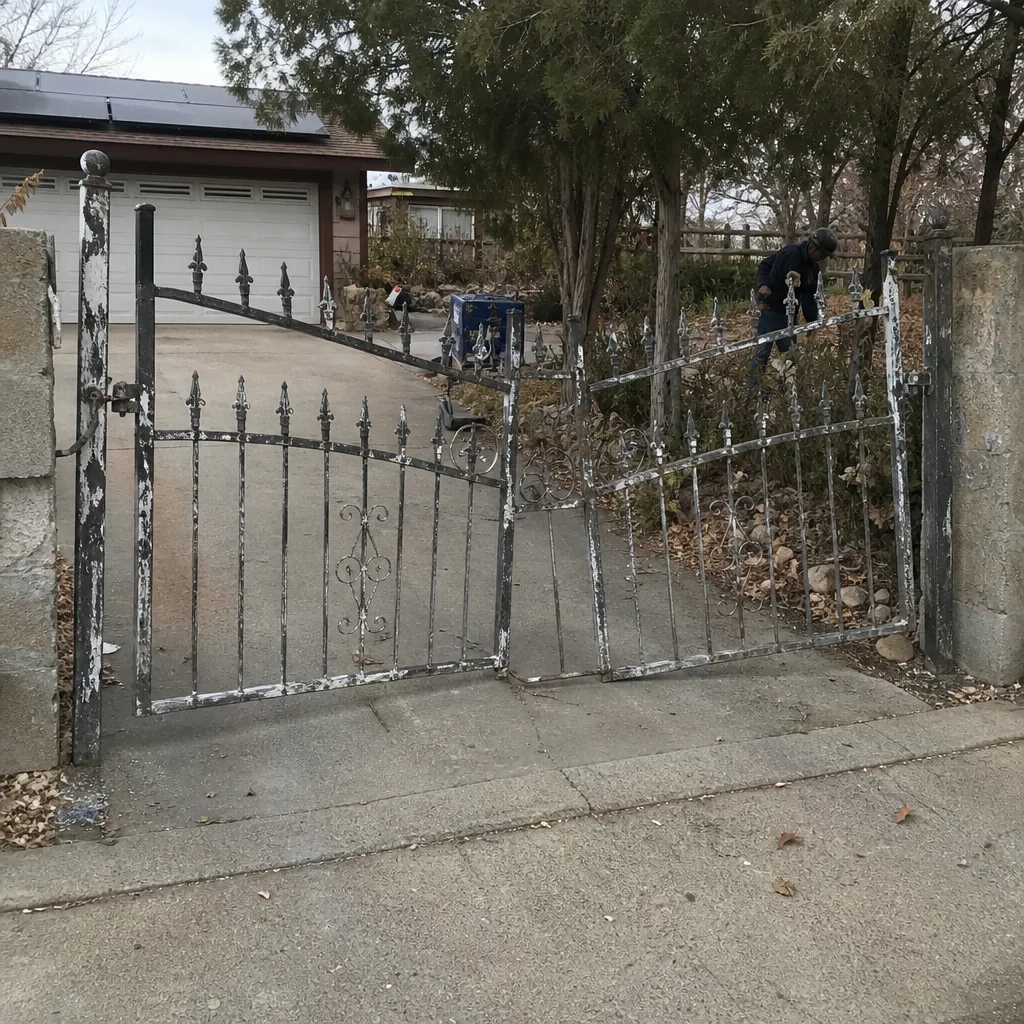 Before
 After
 Before
 After
 Before
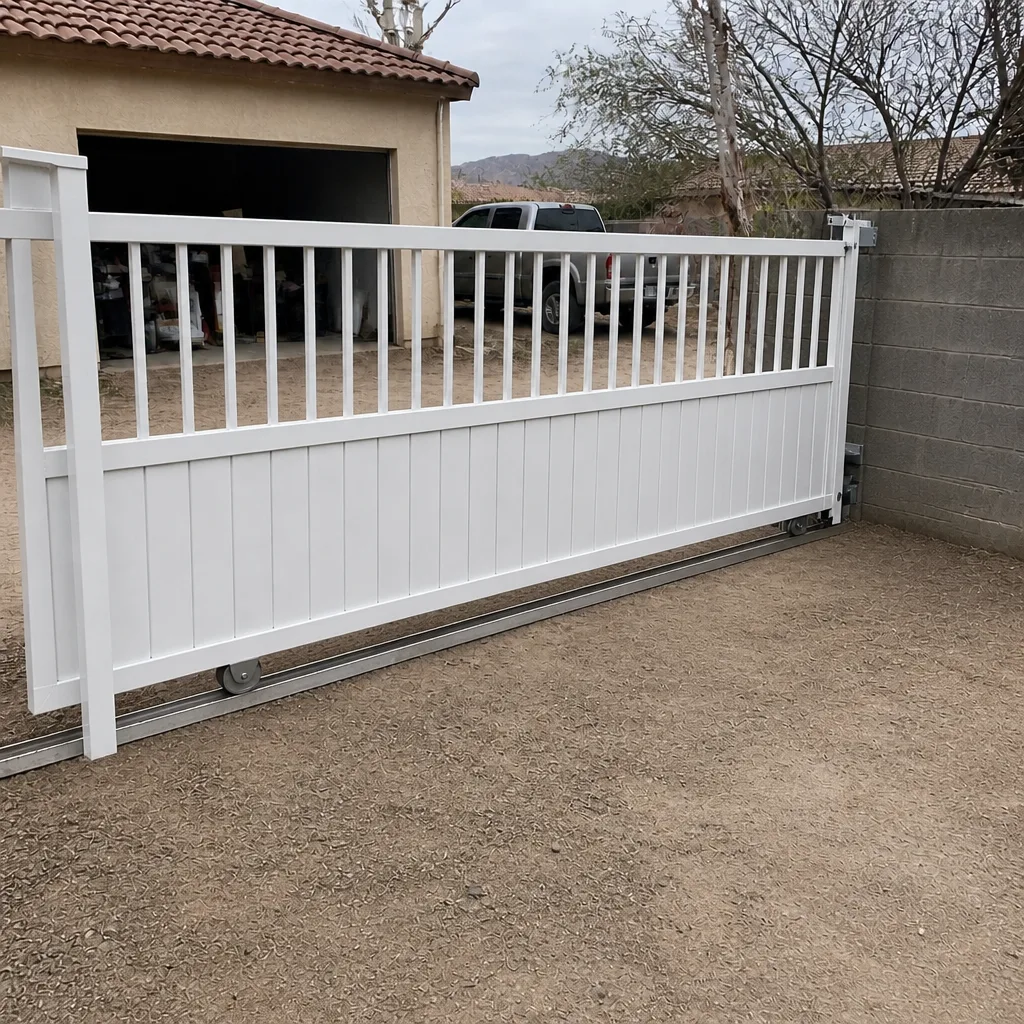 After
When to Call a Professional
Some tasks are a homeowner’s job: the monthly wipe-down, the sensor cleaning, the visual walk-around. Other tasks want trained hands. Call a professional if the gate reverses or refuses to close after the sensors are clean and dry, if you hear grinding or clicking from the operator itself, if a sliding gate has dropped or the track has shifted, if the control box has been wet or shows any corrosion on live terminals, or if a battery fails a load test. And call before you do anything that requires opening the operator or moving live electrical parts; that work belongs to a licensed technician, not a weekend project. Ironworks Gate Co. Boulder City offers free estimates in Boulder City and the surrounding valley, works on nine major automation brands, and answers the phone live, every day. Call (888) 276-7609 to schedule.
Frequently Asked Questions
Monthly for the homeowner’s quick walk-around, plus three seasonal service passes: a thorough pre-summer prep in late April, a post-monsoon cleanup in September, and a pre-winter tightening in November. In Boulder City’s heat and dust, that layered schedule will preserve a gate longer than a single annual tune-up ever will.
Most often it is a photo-eye lens or safety edge that has been fouled by caliche dust and is now cutting a weak or false signal. Clean and dry the lenses and edge sensor first; if the gate still reverses, the issue is likely alignment, wiring, or the control board, and that needs a technician.
A lithium-complex or molybdenum-disulfide bearing grease that holds up to high heat, applied as a thin film, not a glob. Avoid light household oil and general-purpose spray lubricants, which flash off or trap dust. Never over-lubricate to compensate for heat; it does the opposite of what you want.
Heat accelerates lead-acid battery degradation, so what might last a long time in a cool climate can lose capacity far sooner in an outdoor control box in a Boulder City summer. That is why we recommend a quarterly load test and an annual capacity test rather than relying on a voltage glance or an indicator light alone.
Yes. Power-side checks, safety-edge function tests, and photo-eye alignment are part of a proper maintenance visit, not an add-on. If a safety edge is cracked or stiff, we flag it for replacement; a safety edge that does not respond correctly is a safety problem, not a cosmetic one. Call (888) 276-7609 for a free estimate.
Our standing $89 Seasonal Tune-Up covers the full check-out described in this guide, and pricing is settled before any work starts, so there are no surprises on the bill. We also offer $50 off any repair over $250, a free second opinion on any written estimate, and a permanent 5% Senior and Veteran discount. Call (888) 276-7609 for an exact quote, and estimates are free.
The Bottom Line
A gate maintenance schedule built for a temperate climate will not protect a Boulder City gate. The conditions here demand a rhythm that matches the desert: a monthly walk-around, a 20-minute pre-summer prep in late April, a post-monsoon cleanup in September, and a pre-winter tightening in November, all documented in a written log. The single highest-value task is the pre-summer photo-eye and safety-edge cleaning, the one almost every guide omits. Done right, the routine adds years to an operator’s life and prevents most mid-summer emergencies. Done wrong or skipped, it hands the cost to the next repair bill. We’ve seen both outcomes across Boulder City, and we know which one we recommend. Ironworks Gate Co. Boulder City answers the phone live, works on nine major automation brands, and stands behind every job with a written guarantee. Call (888) 276-7609 for a free estimate.
Written by the team at Ironworks Gate Co. Boulder City.