
Last updated November 17, 2026
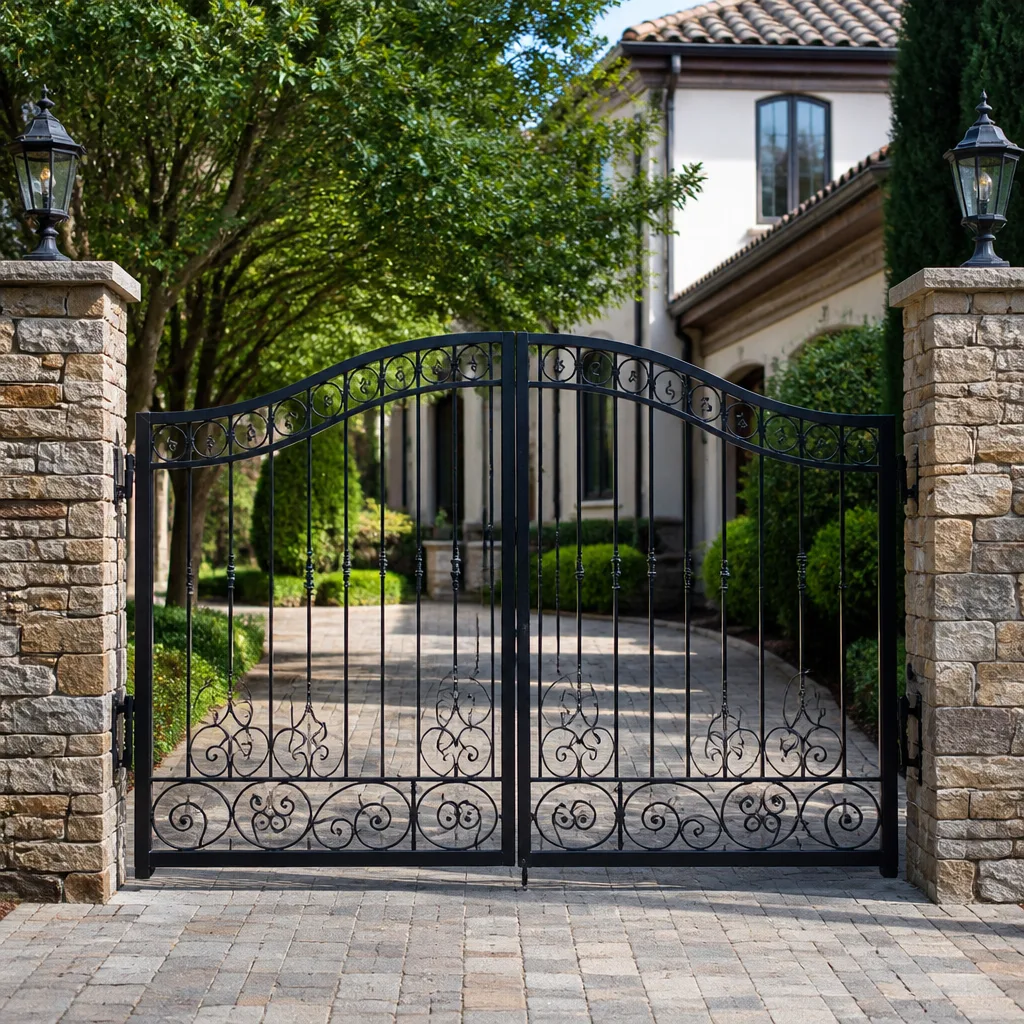 Wrought iron
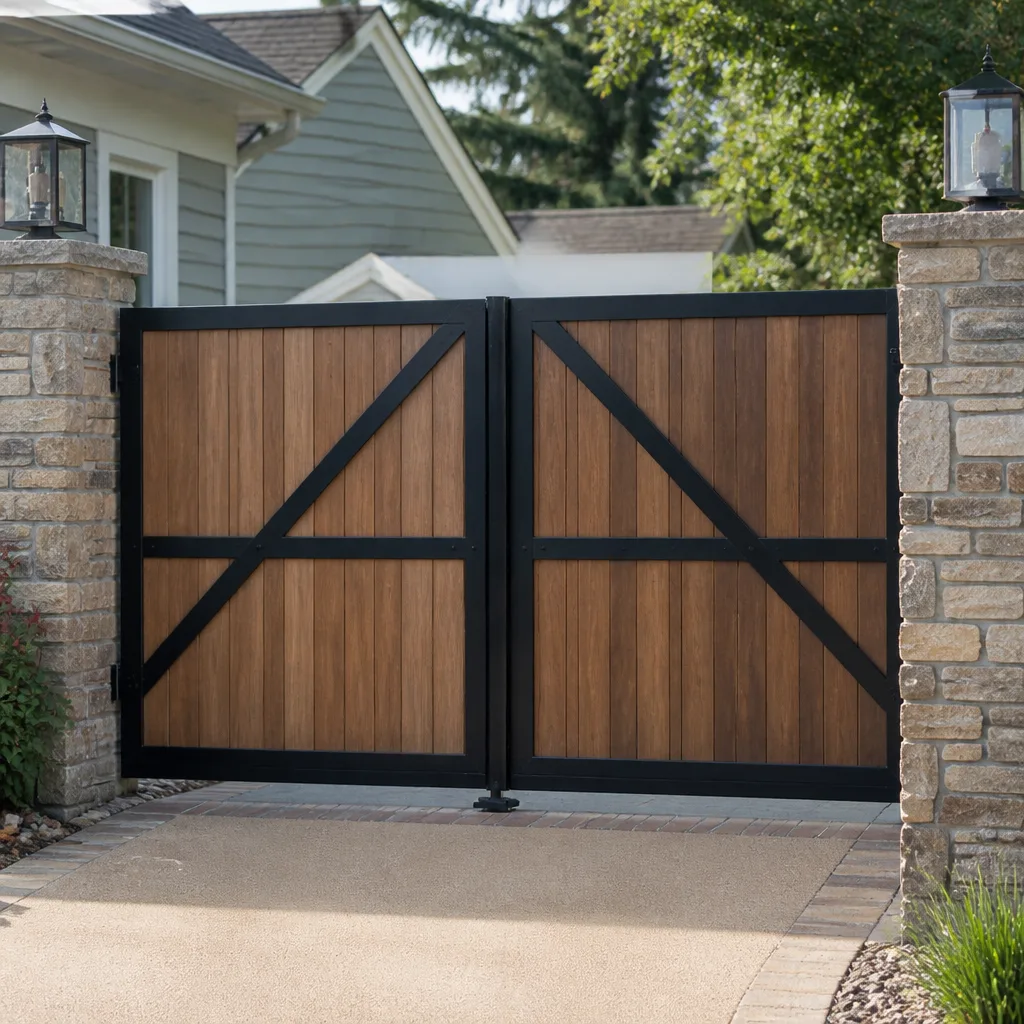 Wood & steel frame
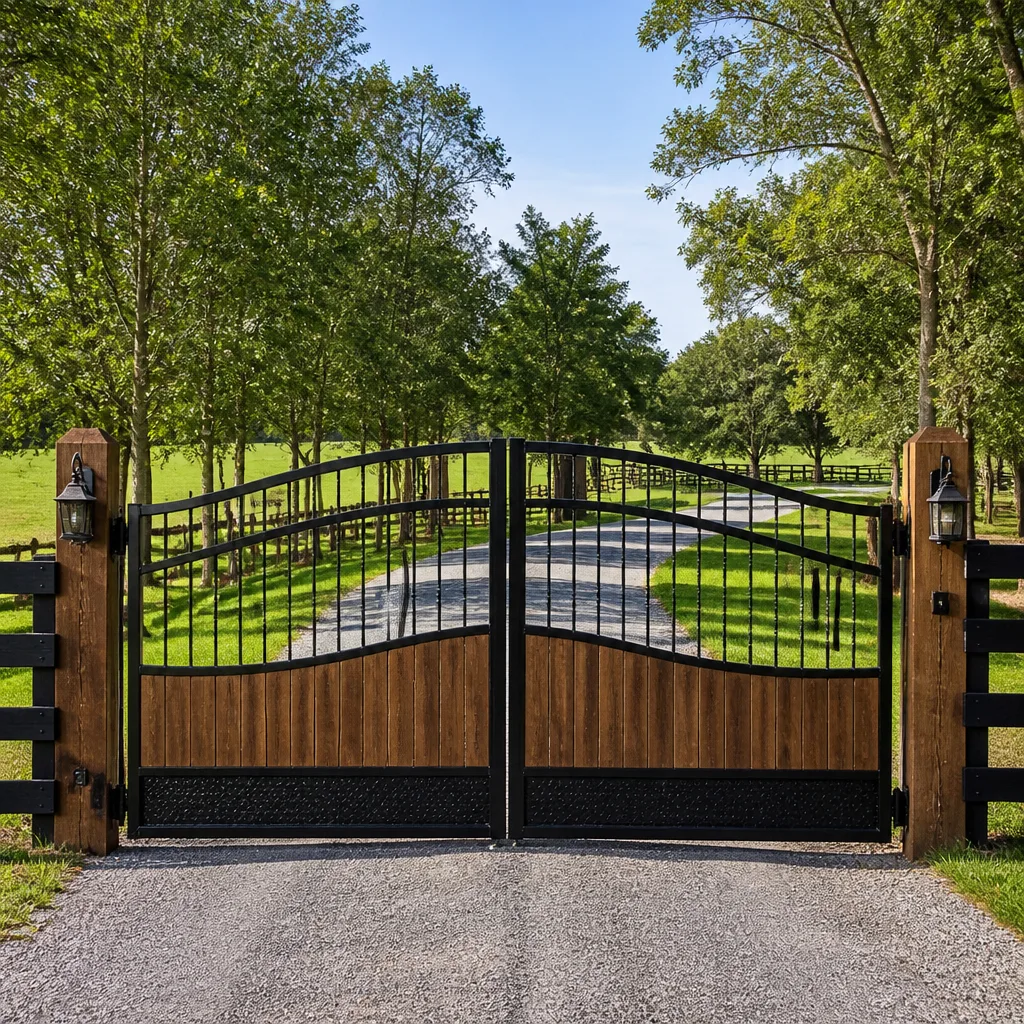 Farm & ranch
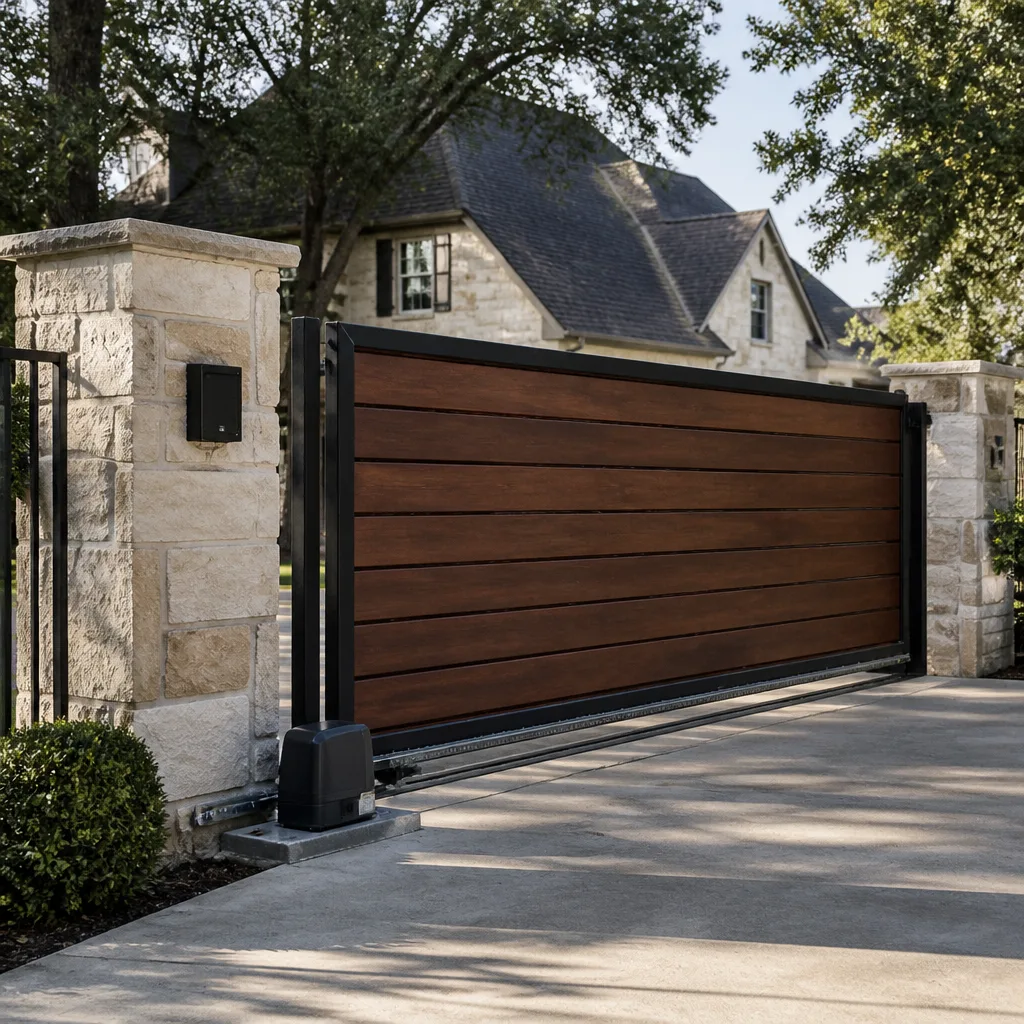 Sliding driveway gates
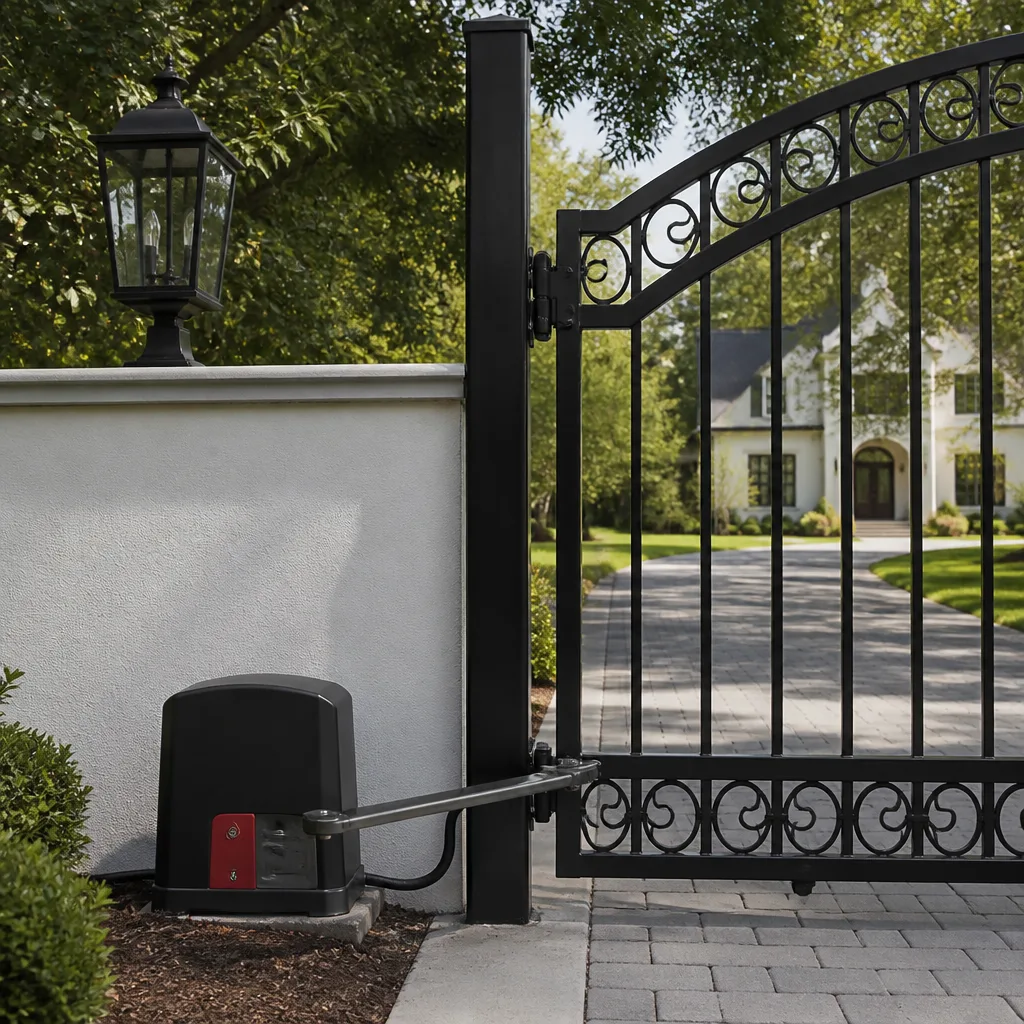 LiftMaster operators
Free on-site gate assessment - hinges, posts, and your LiftMaster or Nice gate operator checked before anything is quoted
The assessment is free and the quote is the invoice.
Get your free estimateThe Complete Gate Parts & Welding Guide for Boulder City Homeowners
Here’s a fact that catches most gate owners off guard: a weld that holds up for twenty years near the coast can start showing stress fractures in four years right here in Boulder City. The steel itself is rarely the problem. The failure almost always begins at the joint, where metal meets metal and heat meets cold. Boulder City throws a specific combination at gate hardware that national guides never account for: alkaline desert dust that works into every pivot, temperature swings that cross 100°F over the course of a year, and mineral-heavy irrigation water pulled from Lake Mead. That trio drives corrosion and fatigue in ways that repeat themselves until someone diagnoses the real cause. This guide covers the four parts that fail first, how to tell cosmetic rust from structural rust, why paint and powder coat give up differently in our sun, which hardware grades actually matter, and a Boulder City inspection checklist built around monsoon soil movement. Repair the same joint twice and you’ve paid for the lesson; here’s how to avoid it.
Quick Answer
In Boulder City, gate parts fail fastest at the hinges, the post-to-frame welds, the drop rod and latch hardware, and the operator’s exposed connections, and the cause is almost always the desert climate rather than the steel: alkaline dust wears pivots, thermal cycling cracks welds at the joint, and monsoon soil movement knocks posts out of alignment. Structural rust needs a field test, not a guess. If you’re unsure which category a problem falls into, that’s exactly the kind of thing a free estimate settles in ten minutes.
Styles & brands we work with
- Wrought iron
- Wood & steel frame
- Farm & ranch
- Sliding driveway gates
- LiftMaster operators
Table of Contents
- The Four Gate Components That Fail First in Boulder City
- Cosmetic Rust vs. Structural Rust: A Field Test You Can Do Today
- Why Powder Coat and Paint Fail Differently Under Southern Nevada Sun
- Hinges, Drop Rods, and Latch Hardware: Why Grade Matters Here
- The Annual Boulder City Gate Inspection Checklist
- What a Proper Weld Repair Looks Like (and What a Patch Job Doesn’t)
- Sourcing Parts for Old Gates: What’s Still Available and What Isn’t
The Four Gate Components That Fail First in Boulder City
We’ve seen the same four failure points come up again and again on Boulder City gates, whether the gate is a fifteen-year-old wrought-iron driveway model or a newer aluminum estate gate run by a FAAC or Mighty Mule operator. Each one fails for its own reason, and knowing the mechanism is what separates a repair that lasts from one that comes back next spring.
1. Hinge welds and hinge barrels
Every swing of the gate applies a small twisting load to the hinge weld. In Boulder City, the daily temperature swing – often 30°F to 40°F between a cool desert morning and a hot afternoon – makes the steel expand and contract on a cycle. Over thousands of cycles, the weld toe (the edge where the bead meets the base metal) develops hairline cracks. Alkaline dust works into those cracks, holds a little moisture, and starts the corrosion going from the inside. The weld looks fine from the outside until it suddenly doesn’t.
2. Post-to-frame joints and anchor points
The vertical post doesn’t move. The gate does. That mismatch concentrates stress at the joint where the frame ties into the post. This is the single most common place we find stress fracture in Boulder City, and it’s also the hardest to see because it’s often buried under a coat of paint.
3. Drop rods and latch hardware
Drop rods live close to the ground, which means they live in the dust zone. Every time the rod drops into its receiver, grit is dragged down with it. The rod wears, the receiver wears, and the gate starts to sag at the latch end. Hard water from irrigation makes this worse because the minerals in the water act like a mild abrasive once they dry on the metal.
4. Operator mounts and exposed electrical connections
Gate openers like LiftMaster and FAAC models do their job well when their mounts stay true. When the post shifts or the frame settles, the operator’s arm or chain alignment goes out, and the motor works harder on every cycle. Add desert heat and the electronics run hotter than the manufacturer intended. Operator mounts that were fine three years ago can be the real reason a gate stops closing properly today.
Cosmetic Rust vs. Structural Rust: A Field Test You Can Do Today
Homeowners in Boulder City ask us all the time whether a spot of rust means the gate is finished. Almost always, it doesn’t. Most rust we see is surface oxidation, and it’s cosmetically ugly but structurally harmless. The question worth asking is different: does the rust sit on the surface, or has it eaten into the metal from underneath?
Here’s a test you can run yourself in about five minutes, with no tools except a screwdriver and a magnet:
- Look at the color and texture. Orange-brown, flaky, and slightly raised is surface rust. Dark brown, pitted, and crumbly with a granular texture is structural.
- Poke it gently with a flathead screwdriver. Light flaking is fine. If the metal dents or cracks under gentle pressure, the section has lost thickness and is structural.
- Try a small magnet. A magnet sticks well to healthy steel. If it barely grabs or falls off in a rusted area, the metal underneath is compromised.
- Check the inside of the tube, not just the outside. Structural rust often starts inside a hollow section where condensation collects and where nobody looks. Tap the tube with the screwdriver handle. A dull thud instead of a ringing sound means the wall has thinned.
- Look at the welds specifically. Rust blooming out of a weld line, especially a hinge weld or post joint, is structural until proven otherwise.
If three or more of those tests point the same way, the section needs to be cut out and re-welded, not painted over. Painting over structural rust in Boulder City is one of the most reliable ways to guarantee the same repair in about a year.
Why Powder Coat and Paint Fail Differently Under Southern Nevada Sun
Both powder coat and paint protect steel by sealing it from moisture and oxygen. Both fail under our sun, but they fail in completely different ways, and knowing which one is on your gate tells you what to expect.
How paint fails
Paint is a film that cures on top of the steel. In southern Nevada, UV radiation breaks the polymer chains in the paint film and slowly makes it brittle. You’ll first notice chalking (a powdery white surface), then fading, then hairline cracks. Once one crack opens, moisture gets underneath and starts lifting the paint from below. From there it’s a race between the sun baking the topcoat and rust spreading from the underside. Boulder City’s summer sun does this faster than most of the country because there’s no humidity in the air to soften the UV load.
How powder coat fails
Powder coat is electrostatically applied and baked on, which makes it thicker and tougher than paint. But it’s also less forgiving. Once it cracks or chips – usually at a weld edge, a sharp corner, or where the gate flexes – the crack doesn’t self-seal. Moisture gets into the crack, and because the powder coat is such a good barrier, the moisture can’t evaporate out. Rust spreads beneath the coat like a slow bubble, and the surface can look intact right up until a whole patch flakes off at once. That’s why a gate that looks perfect from ten feet away in Boulder City sometimes reveals a two-inch rust pit once you start poking at it.
What proper prep prevents both
Neither finish fails on clean, correctly prepped steel. The prep that matters: removing all previous finish down to bare metal, blasting away every trace of rust, treating any pitted areas with a converter, and applying the new finish within the manufacturer’s recoat window. Skipping the prep step is the reason a repaint that costs a fraction of a replacement can end up looking worse than what it replaced within eighteen months.
Hinges, Drop Rods, and Latch Hardware: Why Grade Matters Here
Hardware is where cheap parts cost the most in the long run. A gate with a hundred-dollar hinge set and a gate with a thirty-dollar hinge set look identical on install day. They don’t look identical after three Boulder City summers. Here’s what we see on the parts that get sourced cheap and fail first:
- Hinges. Cheap hinges use thinner steel and looser pin tolerances. In a high-cycle gate (a driveway gate that opens six to ten times a day), a loose pin means the gate starts to sag at the free end within a year or two. Grade matters more here than anywhere else on the gate.
- Drop rods. Low-grade rods bend easily, especially when the receiver isn’t aligned. Once the rod is bent, it grinds against the receiver and wears both in a month. A properly graded rod keeps its straightness and its fit.
- Latches and strikes. The latch takes a full impact every time a gate swings shut. Cheap cast hardware cracks; forged or better-graded hardware deforms very slightly instead and keeps working.
- Gate stops and bumper posts. These are the shock absorbers of the whole system. When they degrade, the rest of the gate takes the abuse. It’s the cheapest part to replace and the most expensive one to skip.
On a gate with an automatic operator – LiftMaster, FAAC, BFT, or any of the brands we work on – hardware grade matters even more because the motor doesn’t have a human hand to slow it down. The gate stops on its own, every cycle, against whatever hardware is bolted to the end of the swing. Cheap cast parts wear, the geometry changes, and then the operator is working against a misaligned gate. Repairing the operator won’t help until the hardware underneath is corrected first.
The Annual Boulder City Gate Inspection Checklist
The monsoon season in Boulder City (typically July through September) drops a lot of water in short bursts on soil that’s baked hard for the rest of the year. Water tends to run rather than soak, and the soil underneath gate posts can move in ways that are invisible until the gate stops latching properly. That’s why we recommend a specific annual walkaround timed to hit both sides of monsoon season.
Before monsoon (late spring):
- Check post plumb with a level. Both the hinge post and the strike post should read vertical. A post that’s off by even a quarter inch will telegraph into the latch within a season.
- Inspect the footings visually. Look for soil cracks, settling, or new gaps between the concrete footing and the ground. These are early signs the post is moving.
- Test the drop rod and receiver alignment. Drop the rod with the gate closed and watch where it lands. If it grinds or barely catches the receiver edge, adjust before the ground moves further.
- Look for new rust spots at welds and hinges. Use the field test above. Surface rust gets treated; structural rust gets flagged.
- Lubricate hinge points and the operator’s moving parts. A minute of lubrication in spring saves hours of repair later.
After monsoon (early fall):
- Re-level the same posts. If either post has shifted, get it addressed before the ground firms up again.
- Check latch and stop alignment. Water-driven soil movement almost always shows up here first.
- Walk the operator through a full cycle by hand. If it catches, binds, or runs harder than before the rains, the frame or mount has likely shifted.
- Clean out the dust and grit that collected in every pivot and receiver. Alkaline dust plus trapped moisture is the corrosion recipe in Boulder City, and it does its worst work during rains.
If you only do one inspection a year, do the fall one. It catches the problems that monsoon movement creates before they harden into damage.
What a Proper Weld Repair Looks Like (and What a Patch Job Doesn’t)
Welding is not a paint-and-pray job, and it’s one of the few gate repairs where you can tell the quality of the work just by looking at the result. A proper repair follows a specific process almost every time.
What good welding looks like
- The damaged section is cut out cleanly, not just covered with a bead of weld.
- The base metal is cleaned to bright steel before welding, not welded over rust or old paint.
- The weld is sized to the load, not just laid on for looks. A hinge weld needs enough throat thickness to carry the gate’s weight through thousands of cycles.
- The joint is treated after welding (grinding, priming, finishing) so it doesn’t rust from the day it cools.
- The gate is re-hung and cycled to test the repair under real load, not just eyeballed.
What a patch job looks like
- A bead of weld laid right over the rust and painted to hide it.
- Thin, cosmetic welds where a joint needs real strength.
- No re-hang or cycling of the gate after the fix.
- No follow-up finish on the weld, so rust starts at the joint within a month.
- No diagnosis of what caused the original failure, so the same joint cracks again after the next thermal cycle.
For structural gate repair in Boulder City, this is the difference between a joint that lasts another fifteen years and one that fails again before the paint cures. It’s also why the exact repair approach matters more than the price tag.
Sourcing Parts for Old Gates: What’s Still Available and What Isn’t
Boulder City has a lot of older gates still in daily service, and parts availability is one of the real constraints on repair. Many hardware components for gates installed twenty or thirty years ago are simply out of production, and the replacements that look similar are often not interchangeable. Here’s how we handle it:
- Match by load rating, not just dimensions. Two hinges can look identical and carry completely different loads. The load rating is what matters.
- Replace hinges and latches as a matched set. Mixing a new hinge with a worn one is one of the fastest ways to wear out the new one.
- Keep the operator model documented. For gate operators, the exact model of the LiftMaster, FAAC, BFT, Linear, Viking, Ghost Controls, DoorKing, Elite, or Mighty Mule unit tells us what parts are still serviceable. Older units often can be repaired rather than replaced if the model is known.
- Fabricate what can’t be bought. For older wrought-iron and custom gates, fabricated hardware is often the right answer. This is where welding craft and parts sourcing meet, and where a generalist handyman usually stops being able to help.
If you’re not sure whether your gate’s parts are still available, a free estimate will usually tell you in ten minutes. That’s also where we map out what a gate repair in Winchester would look like versus a full replacement if the gate is past the point where parts can carry it.
Common Mistakes to Avoid
- Painting over rust. Paint on top of live rust just traps the moisture and speeds the process. Boulder City gates painted over structural rust typically need the repair done twice.
- Treating powder coat and paint as interchangeable. They fail differently, and the preparation and touch-up for each is different. A can of spray paint on a powder-coated gate creates a spot that fails first.
- Replacing hardware but skipping the welds. New hinges on cracked welds just push the failure into the weld. The welds need to be checked every time hardware is replaced.
- Skimping on gate stops and bumpers. These are the cheapest parts on the gate and the ones that protect everything else. Skipping them wears the whole system faster.
- Adjusting the operator when the gate is the problem. If the frame or posts have moved, tweaking the operator’s close limit doesn’t fix anything; it just hides the misalignment until the next cycle fails.
- Skipping the post-monsoon inspection. The one inspection worth doing in Boulder City is the fall walk-around, after the ground has moved. Miss it and you’ll usually find the damage in spring.
- Assuming a gate that opens is a gate that’s fine. A gate can be misaligned and still opening for months before the wear catches up with it. The annual checklist exists because “still working” hides a lot.
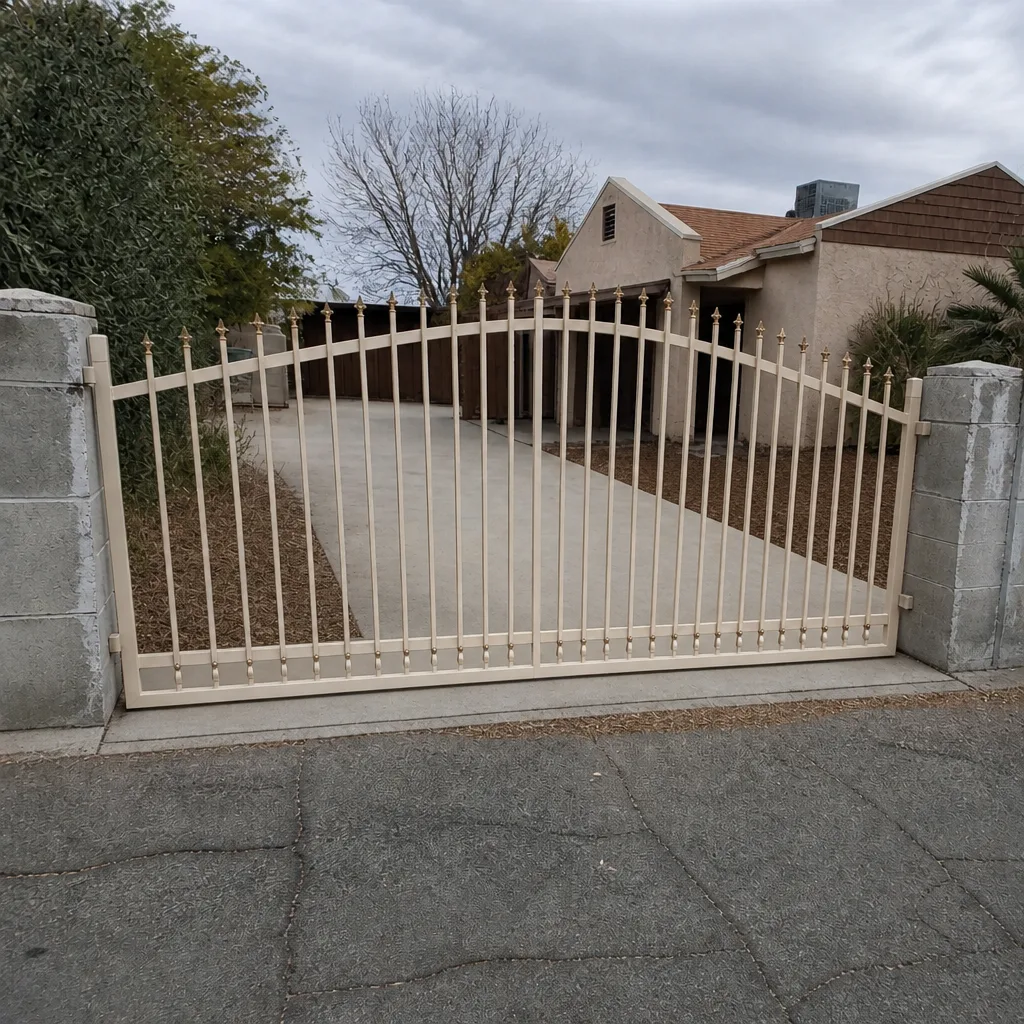
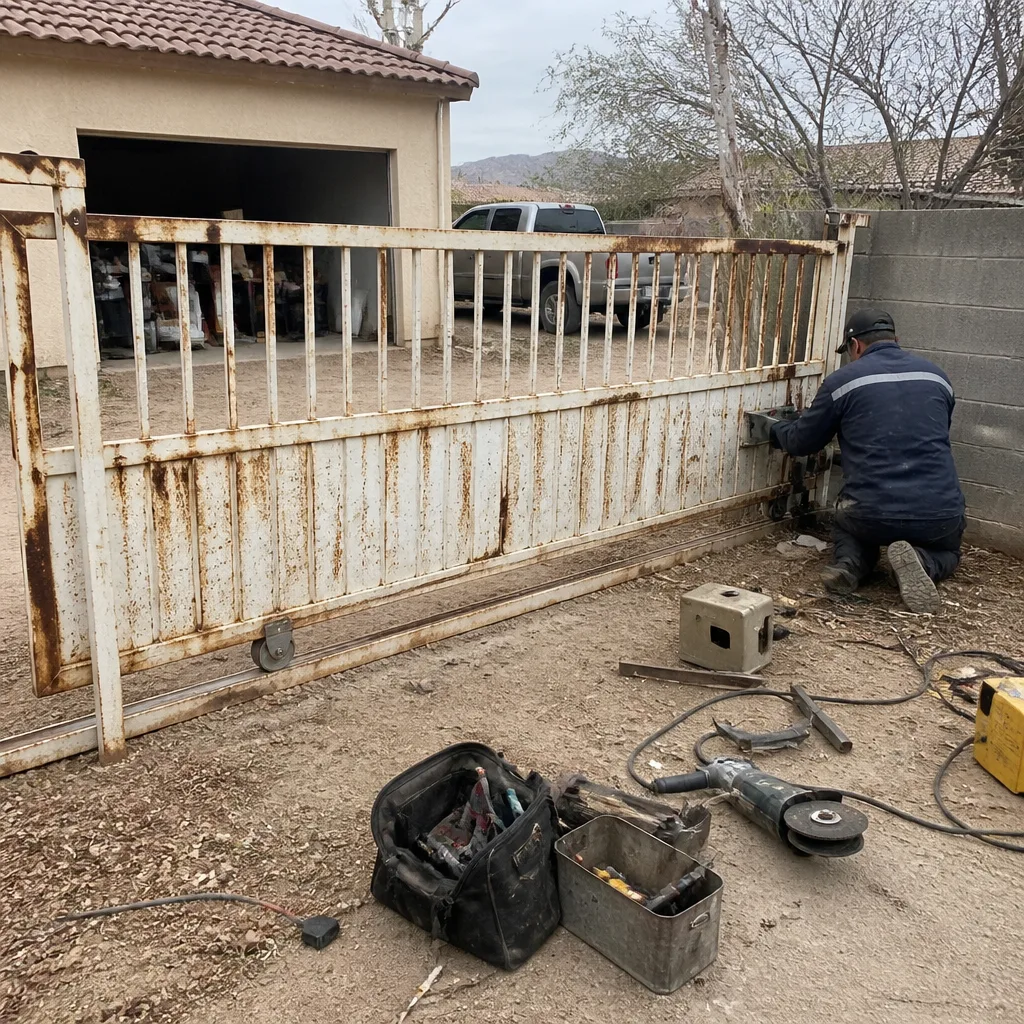
See the difference
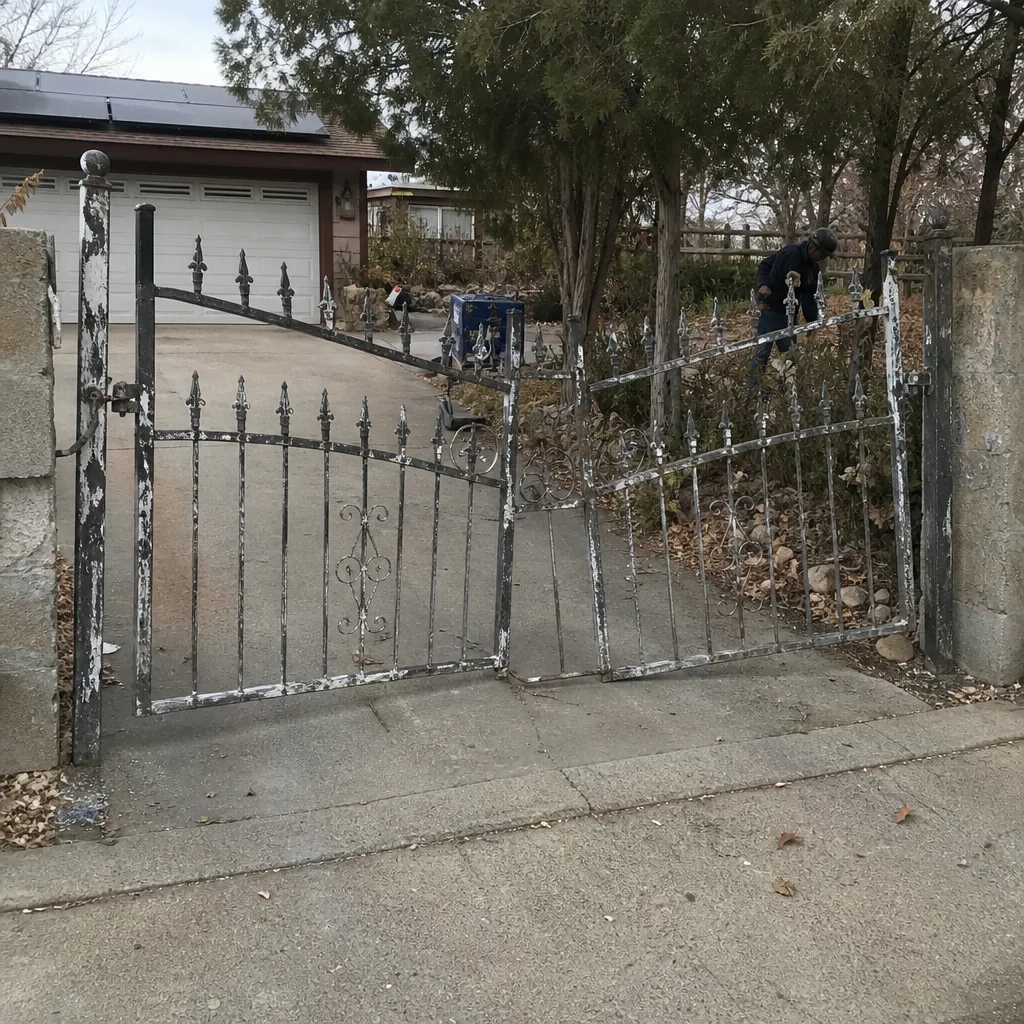 Before
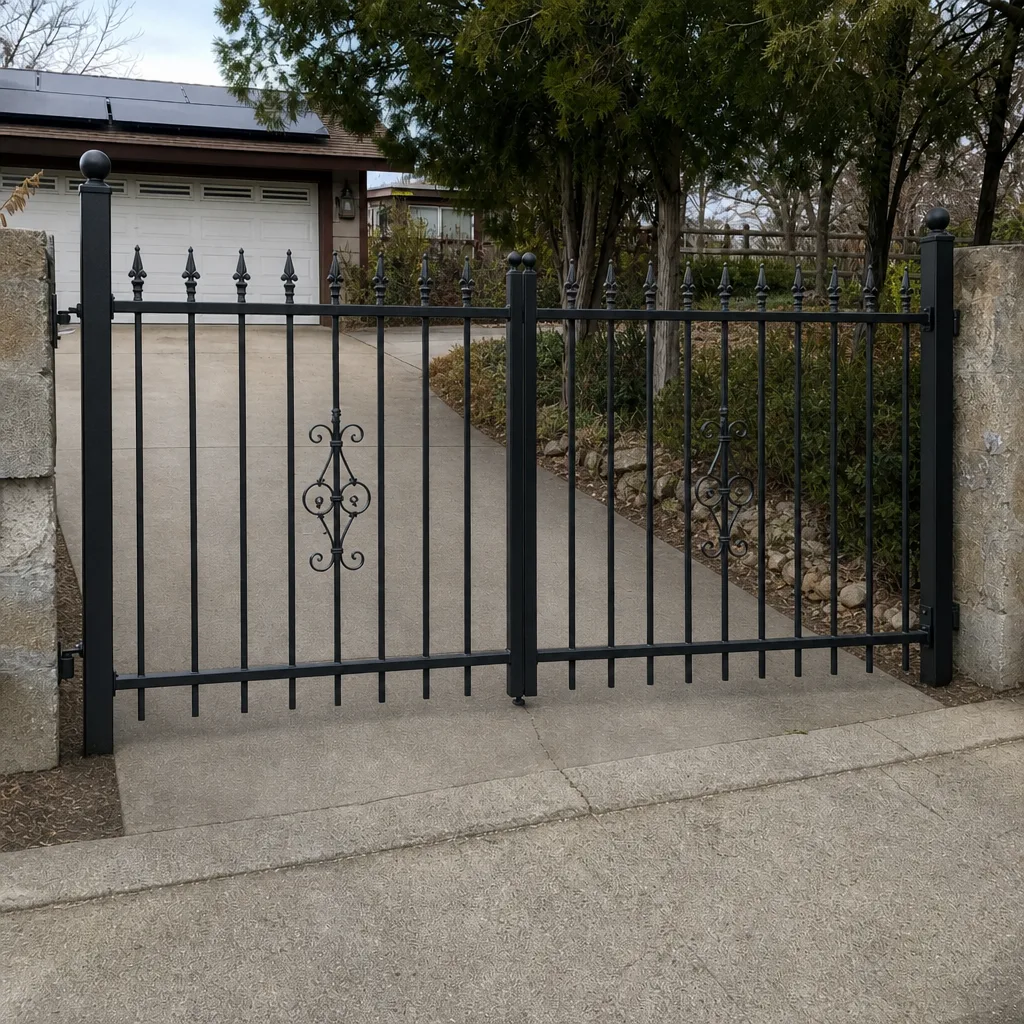 After
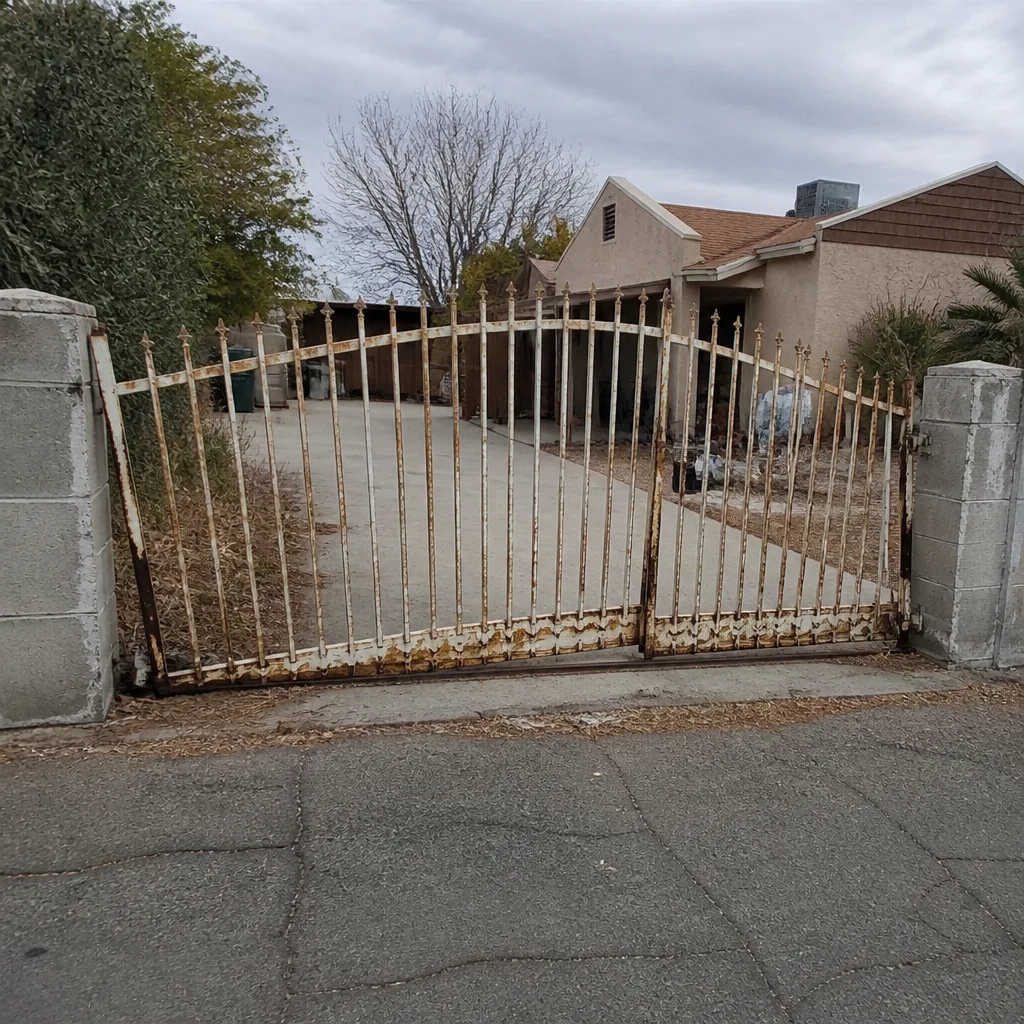 Before
 After
 Before
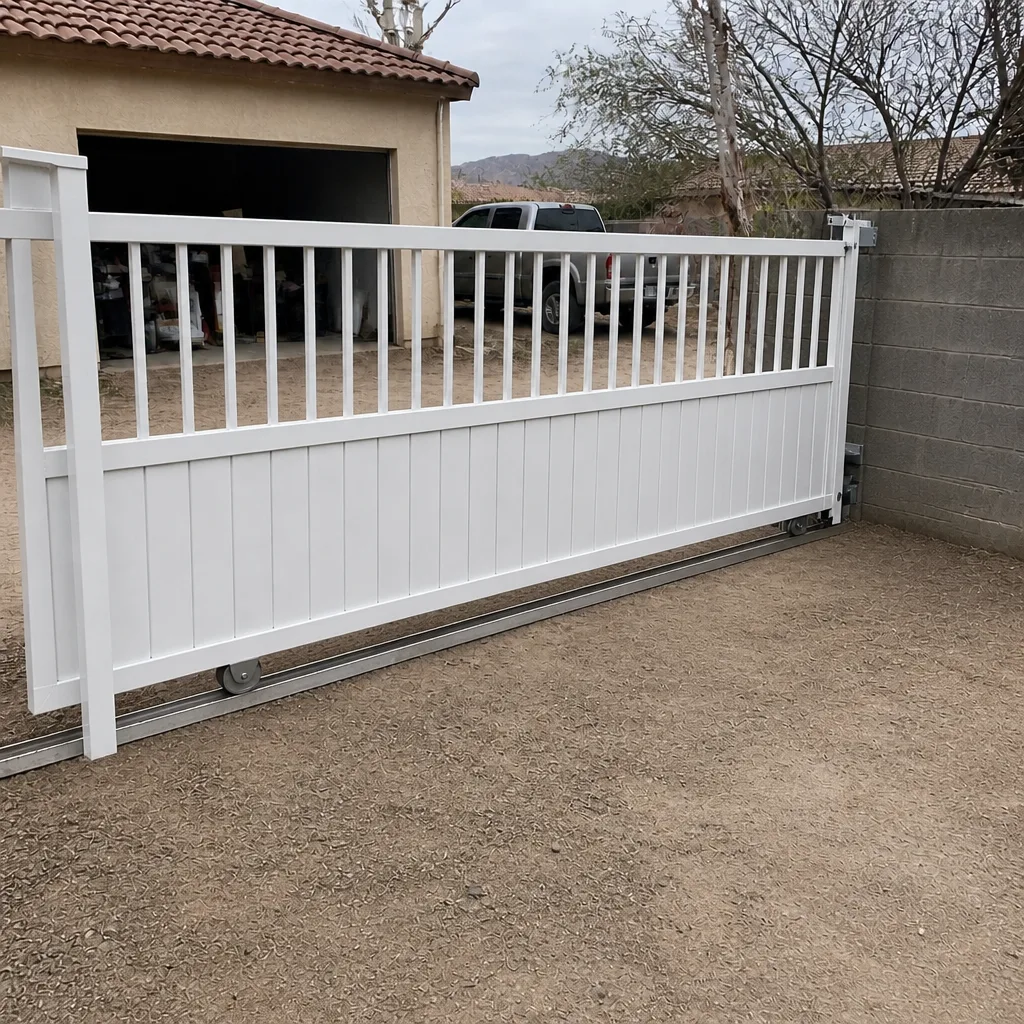 After
When to Call a Professional
Some of the work in this guide is safe to do yourself: a visual inspection, a magnet field test, lubricating hinges, cleaning dust out of receiver pockets. But welding is a live-plasma job that carries fire and structural risk, and gate operator and electrical work carries shock and back-injury risk. Call a trained professional for anything involving cutting or re-welding a structural joint, bending or straightening a hinge post, repairing or adjusting an automatic operator, or investigating an electrical fault in the operator or access control. The gate weighs what it weighs, and the consequences of a bad weld or a bad electrical connection are painful and expensive.
Ironworks Gate Co. Boulder City offers free estimates in Boulder City – call (888) 276-7609. Live phone support runs 24 hours a day, 7 days a week, and every technician who arrives on site is background-checked and trained on nine brands of gate automation, including Mighty Mule, LiftMaster, FAAC, and BFT. If you want a starting point for the wider picture, take a look at Ironworks Gate Co. Boulder City home or, for the surrounding area, gate installation in Winchester.
Frequently Asked Questions
Most weld repairs on Boulder City gates land in a range that reflects the labor, the prep work, and the finish: a straightforward hinge weld repair usually runs in the low-to-mid hundreds, and a more involved post or frame repair runs higher because more of the gate has to come down and go back up. A full replacement of a damaged section costs more again. The exact number depends on what we find when we look, and we’ll quote it before a single bolt is turned. Call (888) 276-7609 for a free estimate.
In most cases, yes. A magnet, a screwdriver, and a five-minute walkaround catch the difference, which is exactly why we teach the field test above. If three or four signs point the same way, the section needs to come apart and be assessed properly; that’s the point to call us rather than guess.
If the frame is straight, the posts are plumb, and the structure holds under the field test, repair is almost always the right call – and often cheaper in the long run because it preserves original hardware that isn’t made anymore. If three or more hinge areas are structural, or if the frame itself has twisted past what can be corrected without cutting, replacement is usually the answer. A free estimate will tell you which side of that line your gate is on.
Because the monsoon season moves the ground, and the ground moves the posts. A post that’s shifted a quarter inch at the base translates into a latch misalignment at the free end. Boulder City’s monsoon pattern (short, heavy, fast-running water on hard-baked soil) is exactly the kind that shifts footings without any visible sign at the surface. The fix is post realignment, not operator adjustment.
Hinges, drop rods, and latch hardware, in that order. Alkaline dust wears the hinge barrels, the drop rods grind against their receivers, and the latches take the full impact of every close. Grade matters more on hinges than anywhere else, because a cheap hinge on a high-cycle driveway gate wears through its tolerance in a couple of years in Boulder City sun.
We’re trained and equipped on nine of the major gate operator brands, including Mighty Mule, LiftMaster, FAAC, and BFT, along with Linear, Viking, Ghost Controls, DoorKing, and Elite. Whether you’re looking at a gate motor and opener repair or a gate access control issue, give us a call and we’ll tell you straight whether we’re the right service or not. Call (888) 276-7609.
The Bottom Line
Boulder City’s climate is hard on gate parts in a way that national guides miss: alkaline dust eats pivots, thermal cycling cracks welds at the joint, mineral-heavy water accelerates corrosion, and monsoon soil movement knocks posts out of alignment. The four components that fail first are hinge welds, post-to-frame joints, drop rods and latch hardware, and operator mounts, and each one fails for a specific and treatable reason. Cosmetic rust is a paint job; structural rust is a weld repair, and the magnet-and-screwdriver field test catches the difference. Hardware grade matters more than price tag. A pre- and post-monsoon inspection catches soil-driven problems before they harden into damage. None of this is complicated, and all of it is fixable when a trained hand does the diagnosis and the weld. That’s how a 40-year-old gate keeps closing like the day it was hung. Call (888) 276-7609 for a free estimate, and if a repair is the right answer, we’ll quote it in writing before a single bolt is turned. Every job we complete is protected by the written 90-Day Done Right Promise, and the price is always agreed before the work begins. You can also read more about our gate repair services for the wider picture.
Written by the team at Ironworks Gate Co. Boulder City.